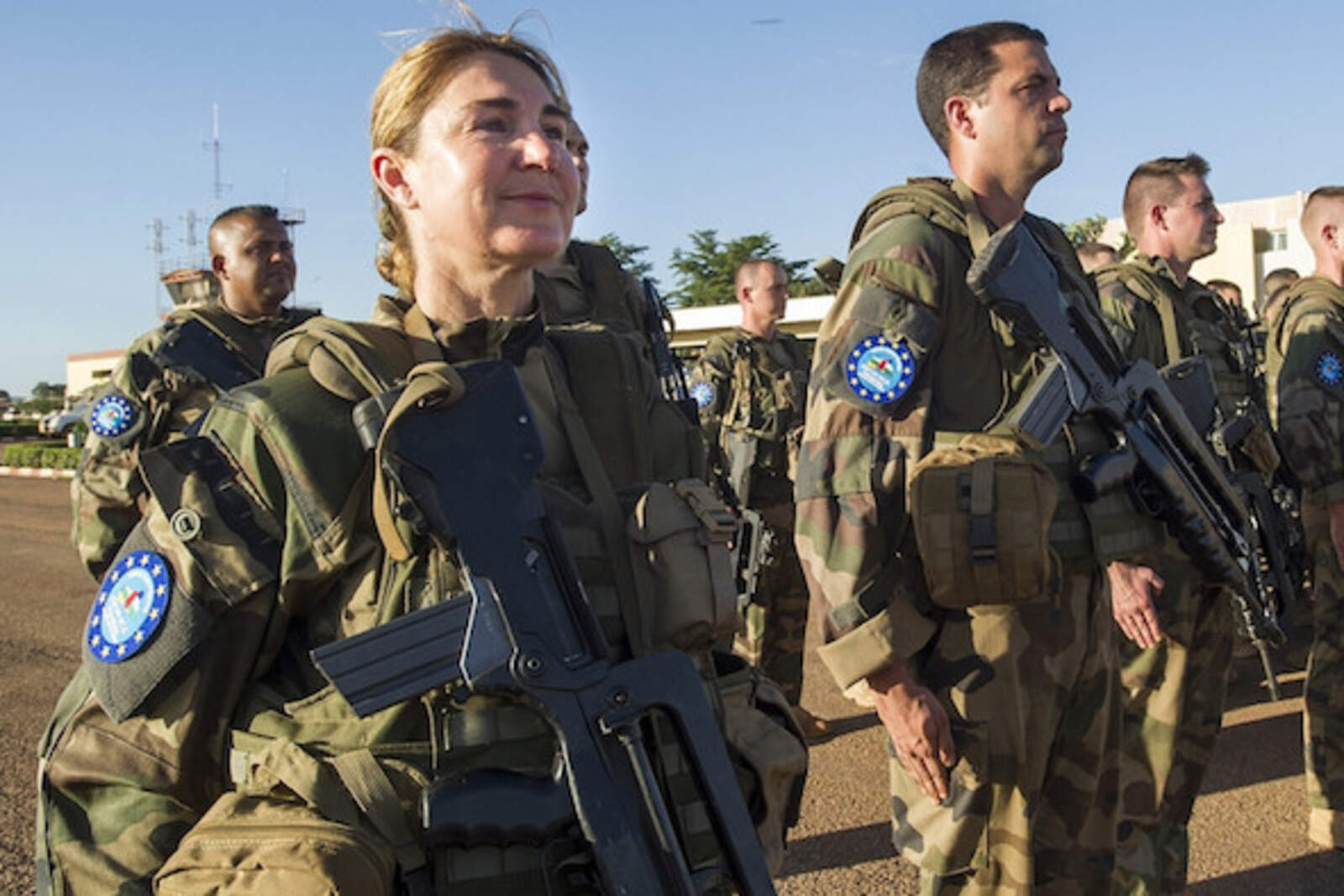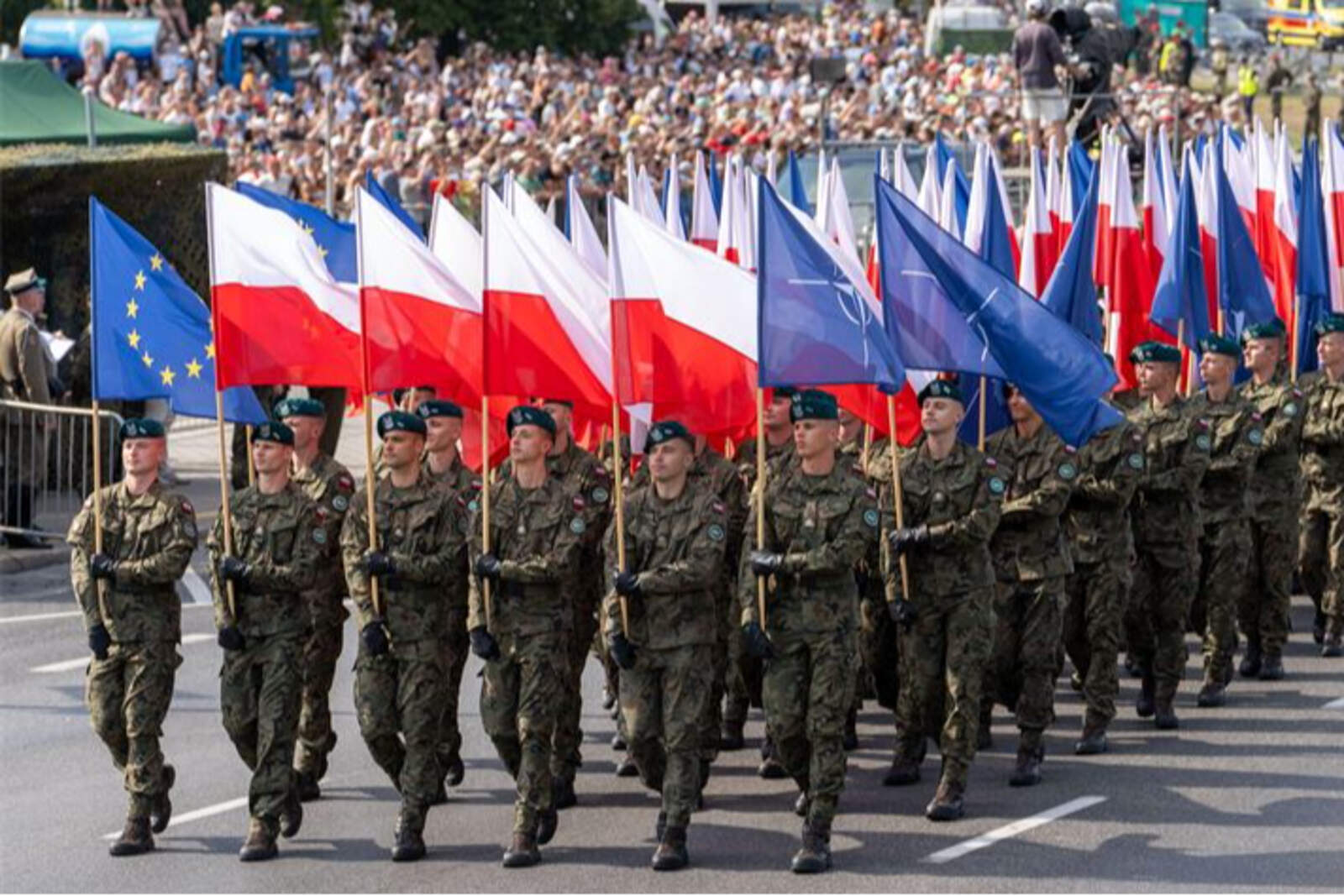








Currently, European armies operate a wide variety of equipment, which hinders interoperability. According to an analysis, European armed forces operate 19 types of main battle tanks and 17 types of torpedoes, compared to only one and two in the United States Army, respectively.
The ''White Paper'' also establishes mechanisms to allow the participation of non-EU countries, such as Norway, Türkiye, the United Kingdom, Canada, Australia, Japan, and Ukraine, in joint defense procurements.
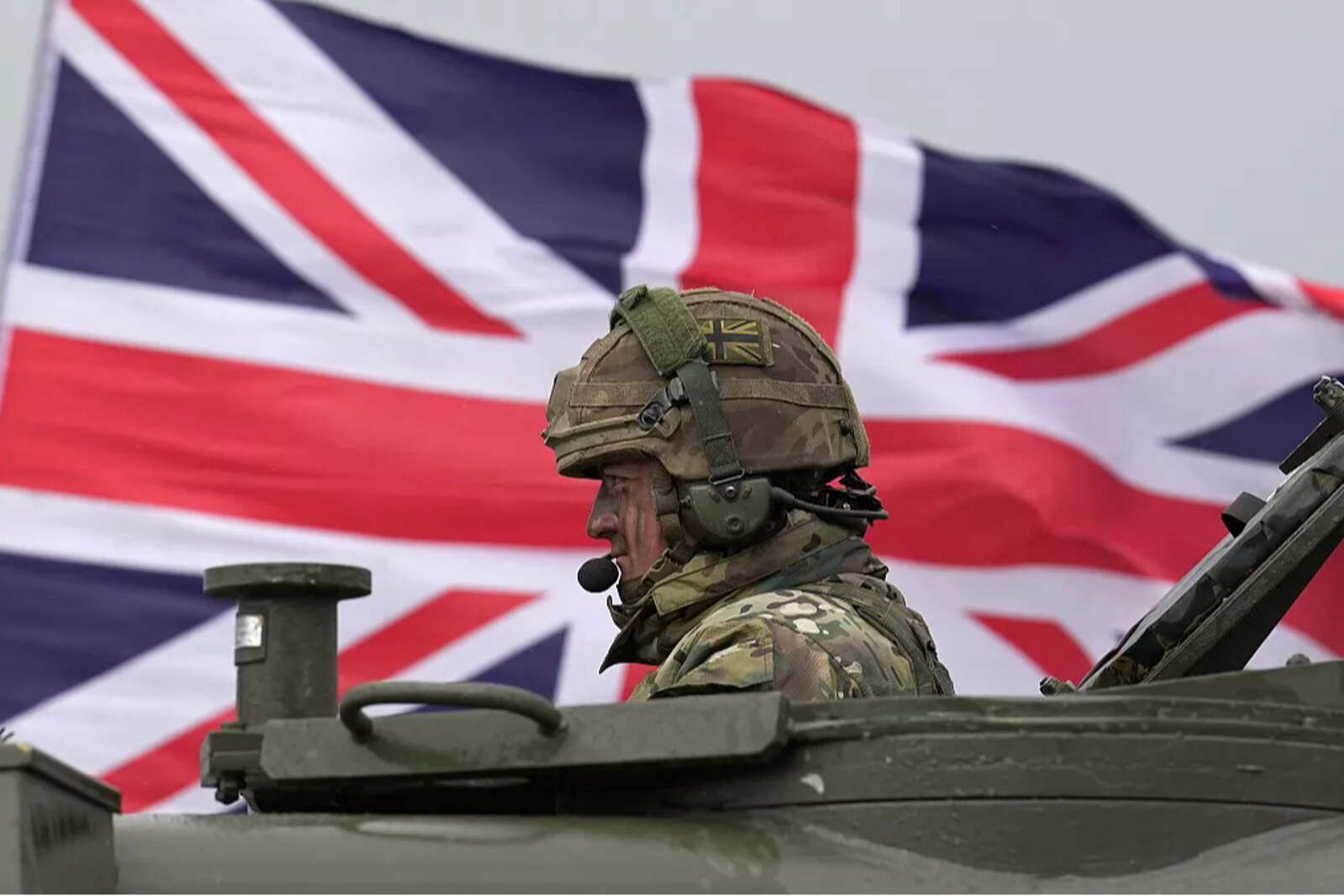
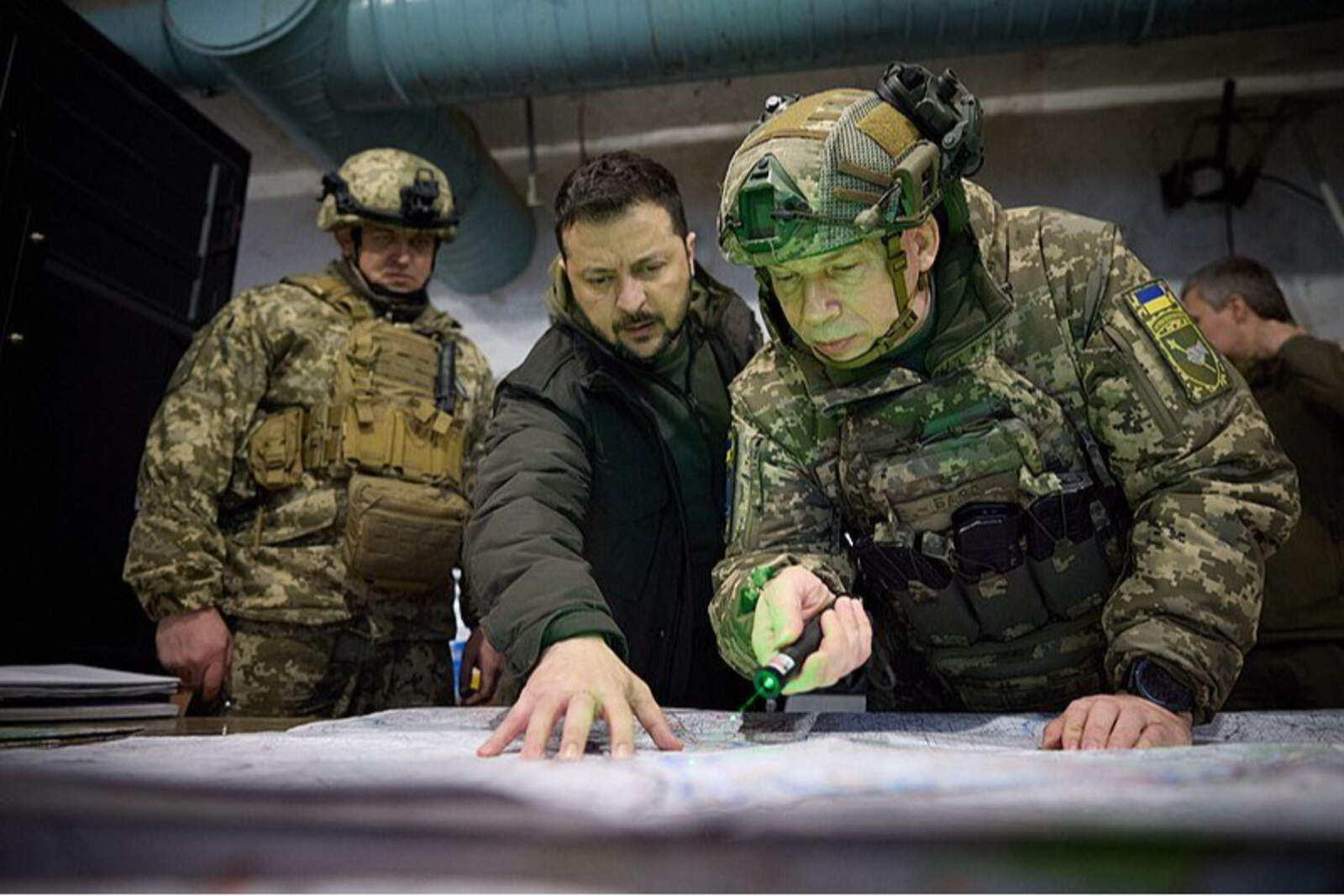
The EU's defense proposal comes at a critical time, amid an imminent peace agreement between Russia and Ukraine facilitated by U.S. President Donald Trump.
The EU has increased its collective defense spending by 30% between 2021 and 2024, in response to Russian threats. Countries like Poland and the Baltic states already spend more than 2% of GDP on defense, above the NATO threshold.
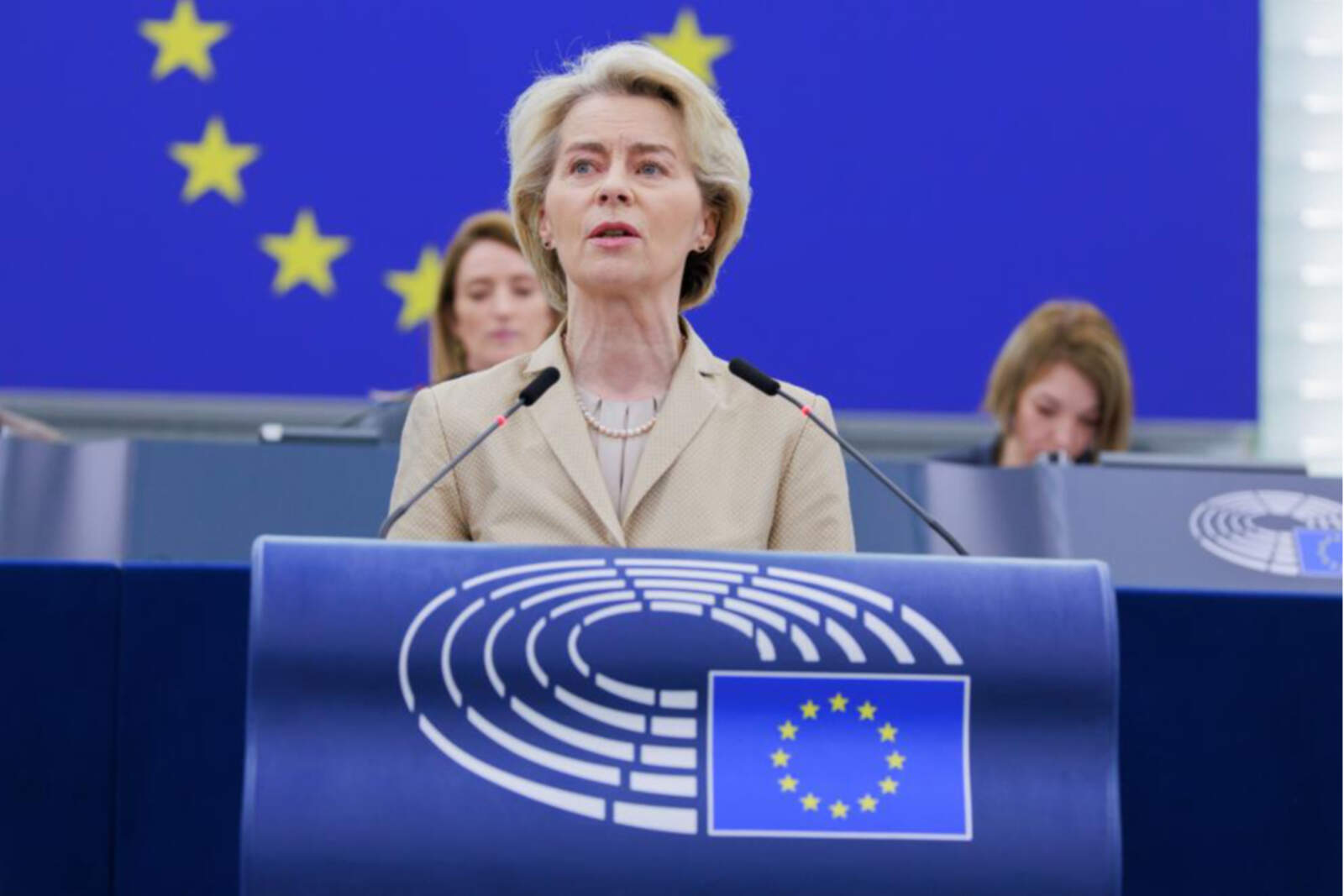
However, some EU diplomats have pointed out that this announcement by the European Commission doesn't go far enough in increasing defense funding, highlighting the degree of war desire that the European continent possesses.
Although recommendations for a comprehensive joint borrowing program have been avoided, some countries suggest that the EU should consider a massive capital injection, similar to the one made during the COVID-19 pandemic.
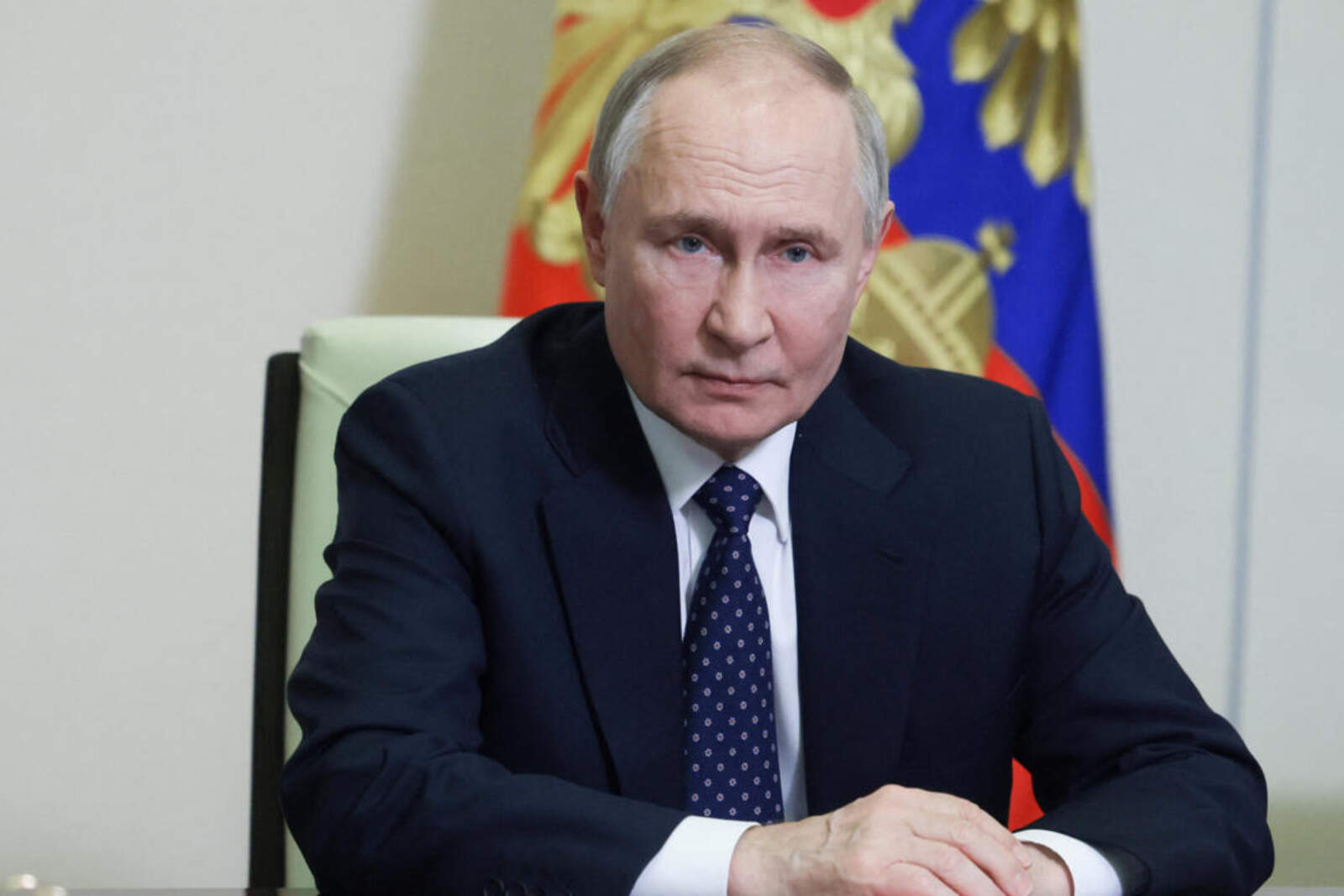
Russia has condemned the EU's rearmament push, calling it a war incitement, but this has not calmed the concerns of European leaders, who consider the Russian threat to persist.
The European Commission has warned that if Russia achieves its objectives in Ukraine, its territorial claims will expand, representing a continuous threat to Europe's security in the near future.