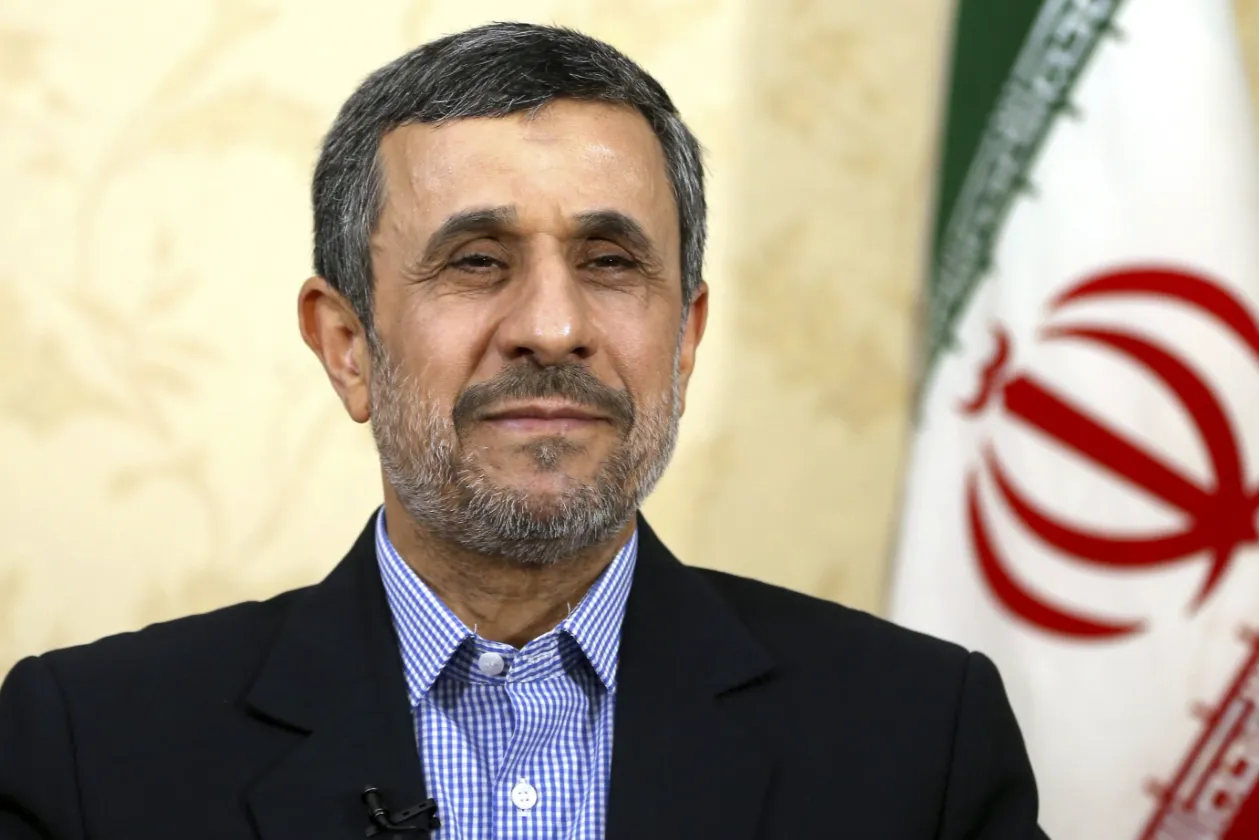
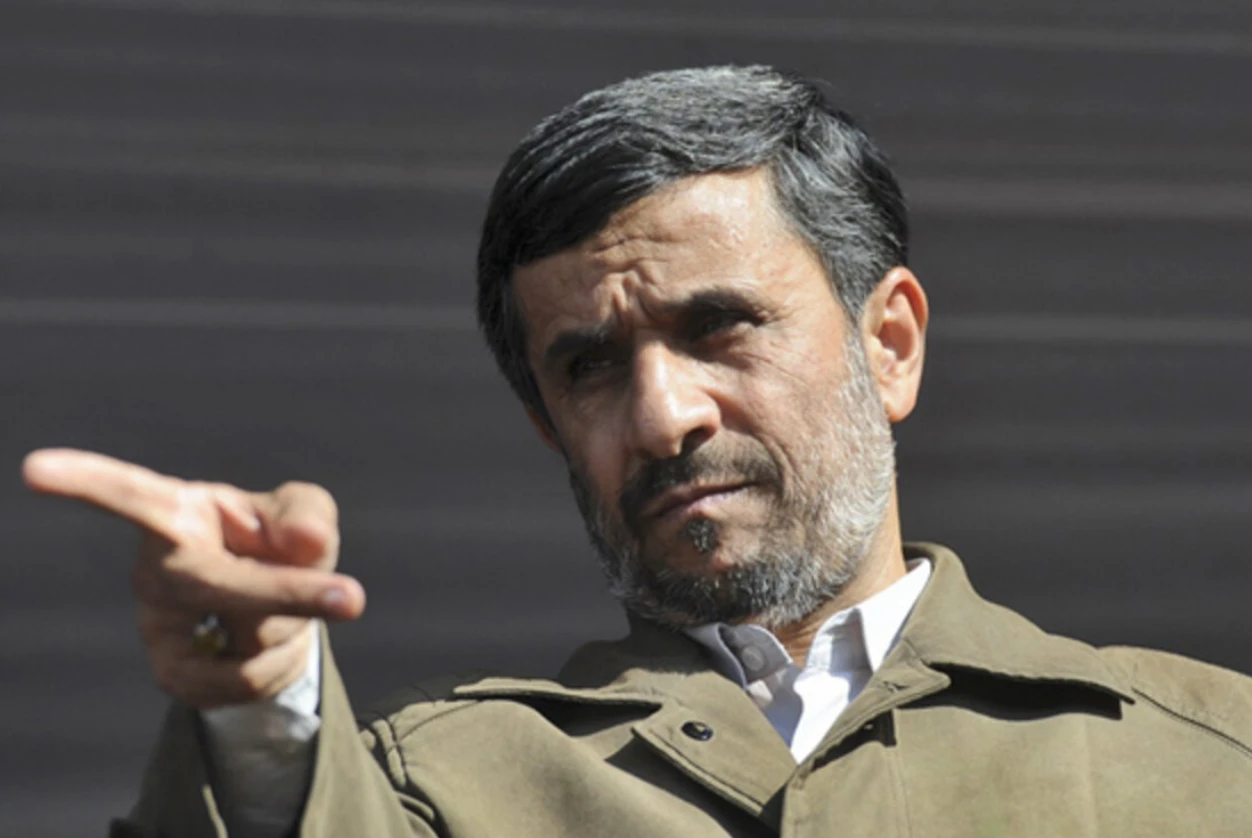
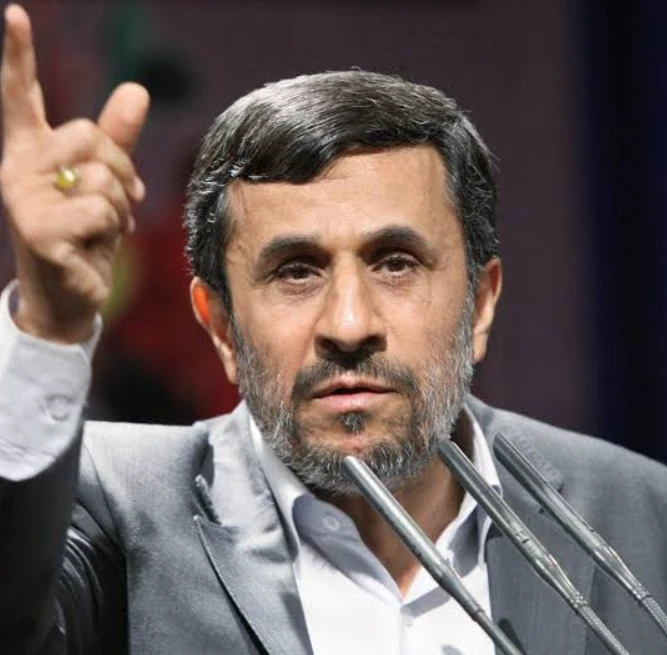
A report from The New York Times claims that the Mossad maintained contacts for years with former Iranian President Mahmoud Ahmadinejad to turn him into an alternative to the ayatollahs' regime
He repeatedly denied the Holocaust, publicly called for the destruction of Israel, and defended the Iranian nuclear program, becoming one of the most confrontational figures in Middle Eastern politics.
However, after leaving the presidency, his relationship with Ayatollah Ali Khamenei and the Revolutionary Guard began to deteriorate. In recent years, he denounced corruption within the regime and adopted a more critical discourse towards Iranian authorities.
According to the report, Ahmadinejad came to consider that external intervention represented the only possibility of returning to power, and even a close collaborator claimed that he was willing to recognize the State of Israel if he managed to become president again.
His whereabouts remain uncertain
The report indicates that Ahmadinejad's current whereabouts remain unclear. He was recently seen during the funeral of the late supreme leader Ali Khamenei, surrounded by security personnel with covered faces.
Their whereabouts remain uncertain
Sources cited by the newspaper claim that the former president is currently under the custody of the Islamic Revolutionary Guard Corps (IRGC) due to suspicions about his alleged contacts with Israeli intelligence.
The Israeli plan ultimately failed
According to the investigation, Israel was also considering promoting a Kurdish uprising to accelerate the fall of the Iranian regime. However, the strategy did not succeed, and the authorities of the Islamic Republic managed to maintain control of the country.
Despite the international impact of the report, several specialized analysts expressed skepticism about some aspects of the investigation and pointed out that there are still questions about the real viability of a plan of that nature, while neither the Israeli government nor the White House made official comments on the revelations.
An explosive report published by The New York Times revealed that Israel had developed an undercover operation for several years to recruit former Iranian President Mahmoud Ahmadinejad with the aim of making him the future leader of Iran after a potential collapse of the Islamic regime.
According to the American newspaper, the plan was coordinated by Mossad and included a series of secret meetings with the former president, as well as an operation aimed at getting him out of house arrest during the military offensive launched by Israel and the United States against the Islamic Republic.
The report claims that the operation culminated in an attack on Ahmadinejad's bodyguards, after which he was moved to a safe house. However, he later abandoned the plan after losing confidence in the strategy designed by Israel to bring him to power.
The alleged meeting with the head of Mossad in Hungary
One of the most striking aspects of the report states that Ahmadinejad allegedly met personally with the director of Mossad, David Barnea, during a trip to Budapest made under the cover of an academic conference on climate change.
According to the publication, Hungarian authorities facilitated the invitation to the former Iranian president in order to enable that private meeting with Israeli agents.
The newspaper also claims that Israel financed part of Ahmadinejad's travel and accommodation during the contacts held in Europe, including a new meeting in Budapest just days before the start of the Israeli military campaign against Iran.
The alleged meeting with the head of Mossad in Hungary
From enemy of Israel to critic of the Iranian regime
Mahmoud Ahmadinejad governed Iran from 2005 to 2013 and during his presidency was one of the main figures of the hardline faction of the regime.