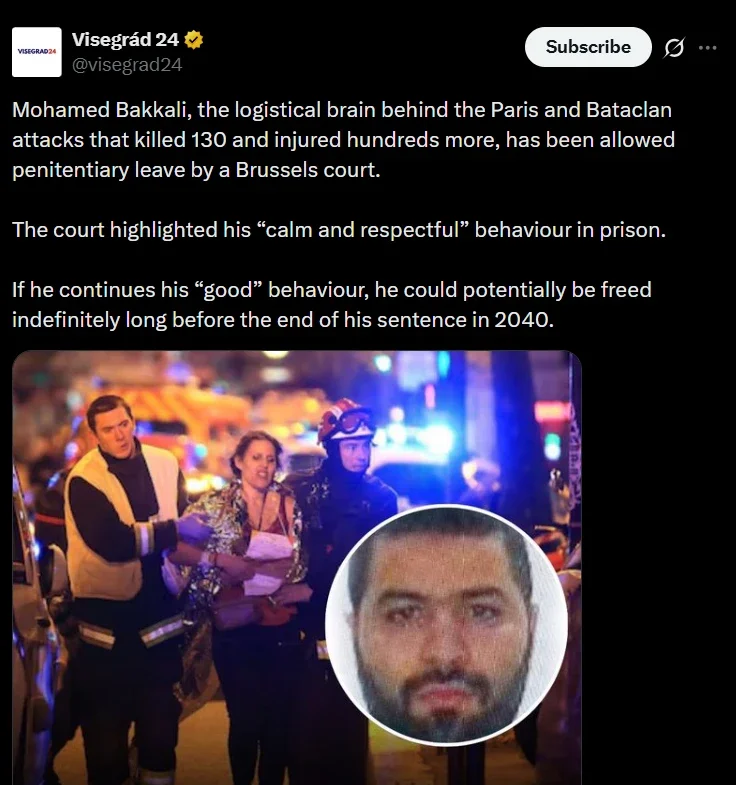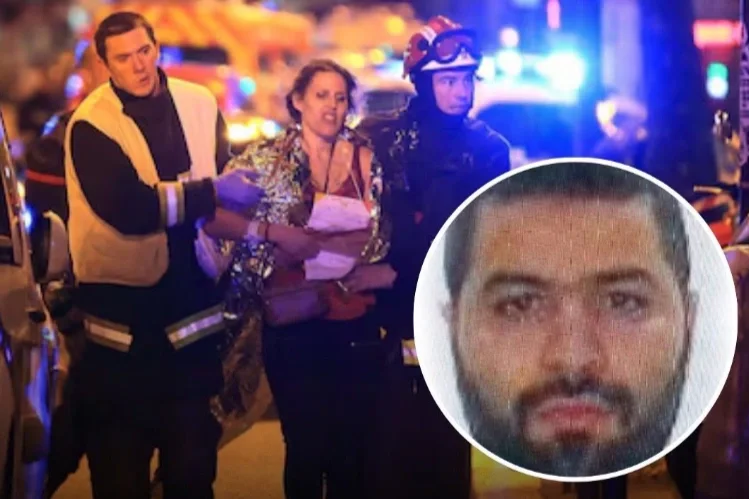

Europe is once again at the center of controversy over its handling of Islamic terrorism. Mohamed Bakkali, considered a key player in the logistics of the Paris attacks and the Bataclan massacre of 2015, received prison leave permits by a decision of a Brussels court, a measure that generated outrage among victims' families and European political sectors.
Bakkali was convicted of collaborating with the organization of the jihadist attacks that left 130 dead and hundreds injured in France. According to reports, the Belgian justice system argued that the terrorist maintained a "calm and respectful" behavior while in prison, which is why he began to be granted temporary releases.
The possibility that he could regain his freedom much earlier than the total completion of his sentence, originally set for 2040, raised alarms in various sectors of Europe that question the weakness of the European judicial system in the face of Islamic extremism.
The horror of Bataclan that Europe tried to downplay
The attacks of November 13, 2015, marked one of the most brutal episodes in recent European history. The Bataclan theater in Paris became the scene of a massacre perpetrated by terrorists linked to the Islamic State.
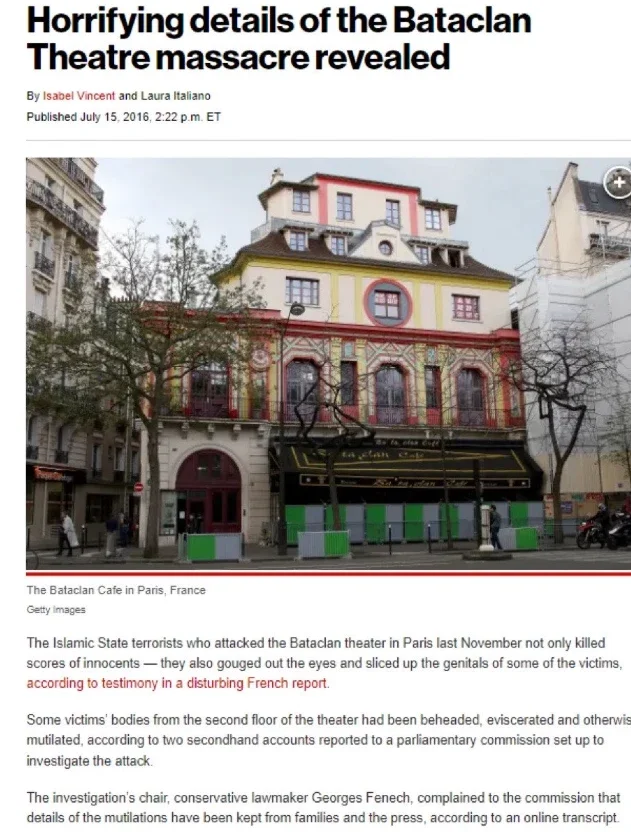
Over the years, chilling testimonies and details about the tortures and mutilations suffered by the victims during the attack have emerged. Various journalistic reports and judicial testimonies revealed scenes of extreme violence that included mutilations, executions, and acts of sadism against defenseless civilians.
However, critics of the European establishment argue that many of these atrocities were deliberately downplayed by political authorities and traditional media to avoid deepening the debate on mass immigration, Islamic radicalization, and security failures.