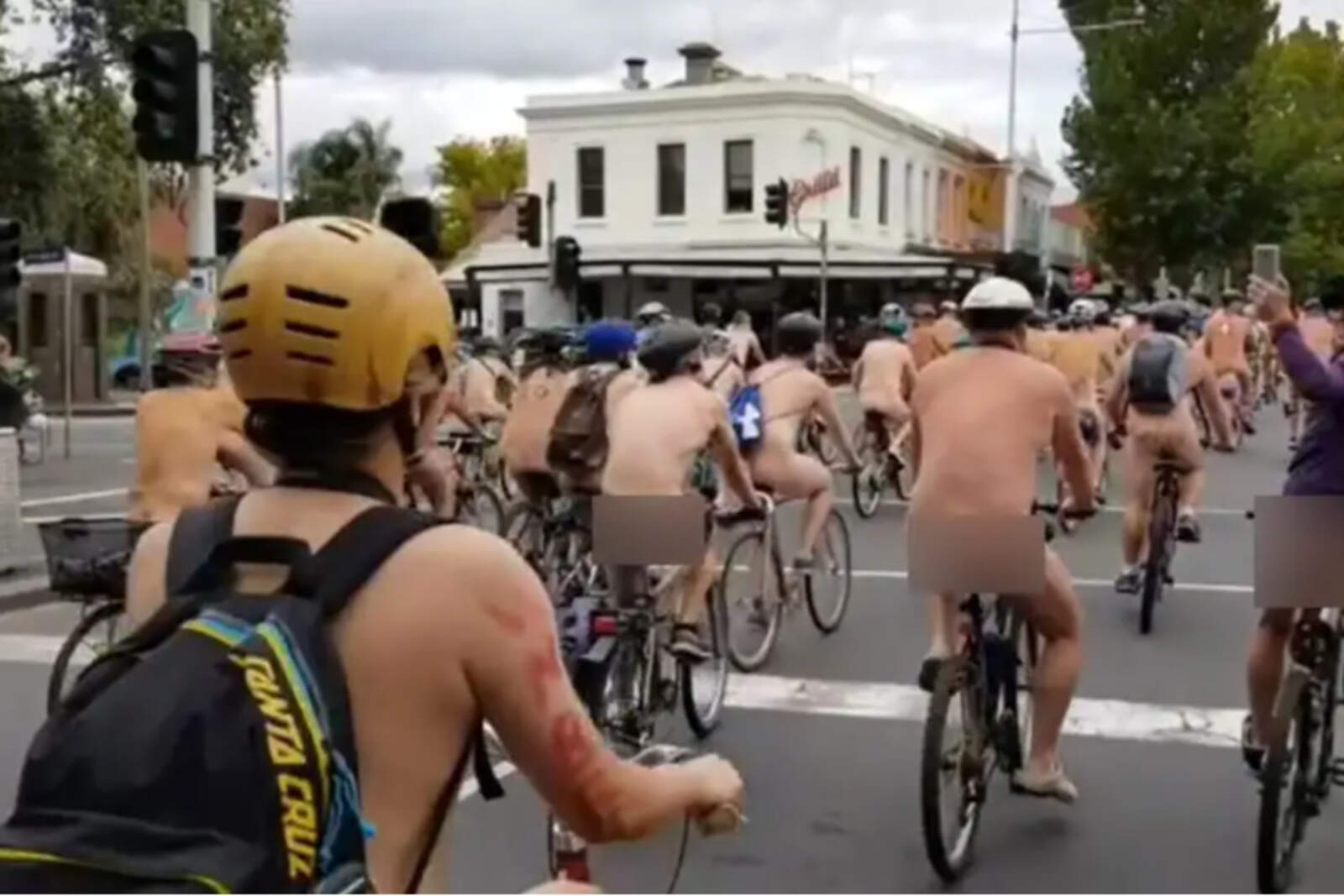

Last weekend, the streets of Melbourne were the scene of a controversial demonstration: the World Naked Bike Ride. Under the pretext of promoting cyclist safety and environmental sustainability, hundreds of people rode through the city completely naked, generating strong criticism from citizens who encountered this scene in the middle of public space.
What was initially presented as a hippie protest turned into a grotesque spectacle that challenges basic norms of coexistence and respect for public order. Despite the organizers' attempts to justify the initiative with slogans like "body diversity" or "environmental care," the reality is that the march has become an excuse for mass exhibitionism.
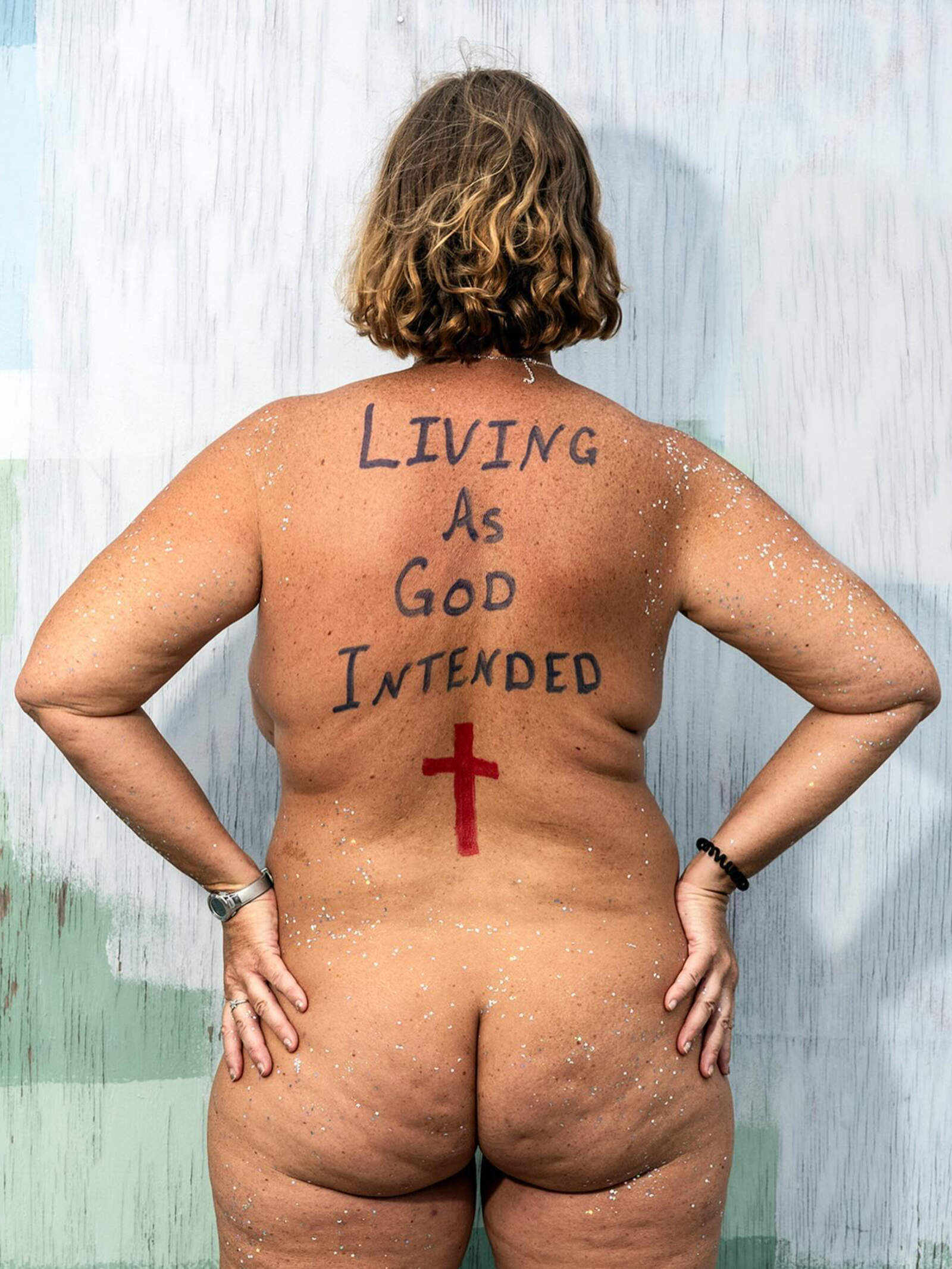
For some participants, getting naked in public is a "liberating experience." Dearne Weaver, a 61-year-old community worker who had already attended in 2019, celebrated the day by arguing that she seeks to "normalize nudity outside of a sexual context." However, for many families and citizens who were passing through the city, the event turned out to be an unpleasant imposition that exposes minors and those who do not wish to be part of such an exhibition.
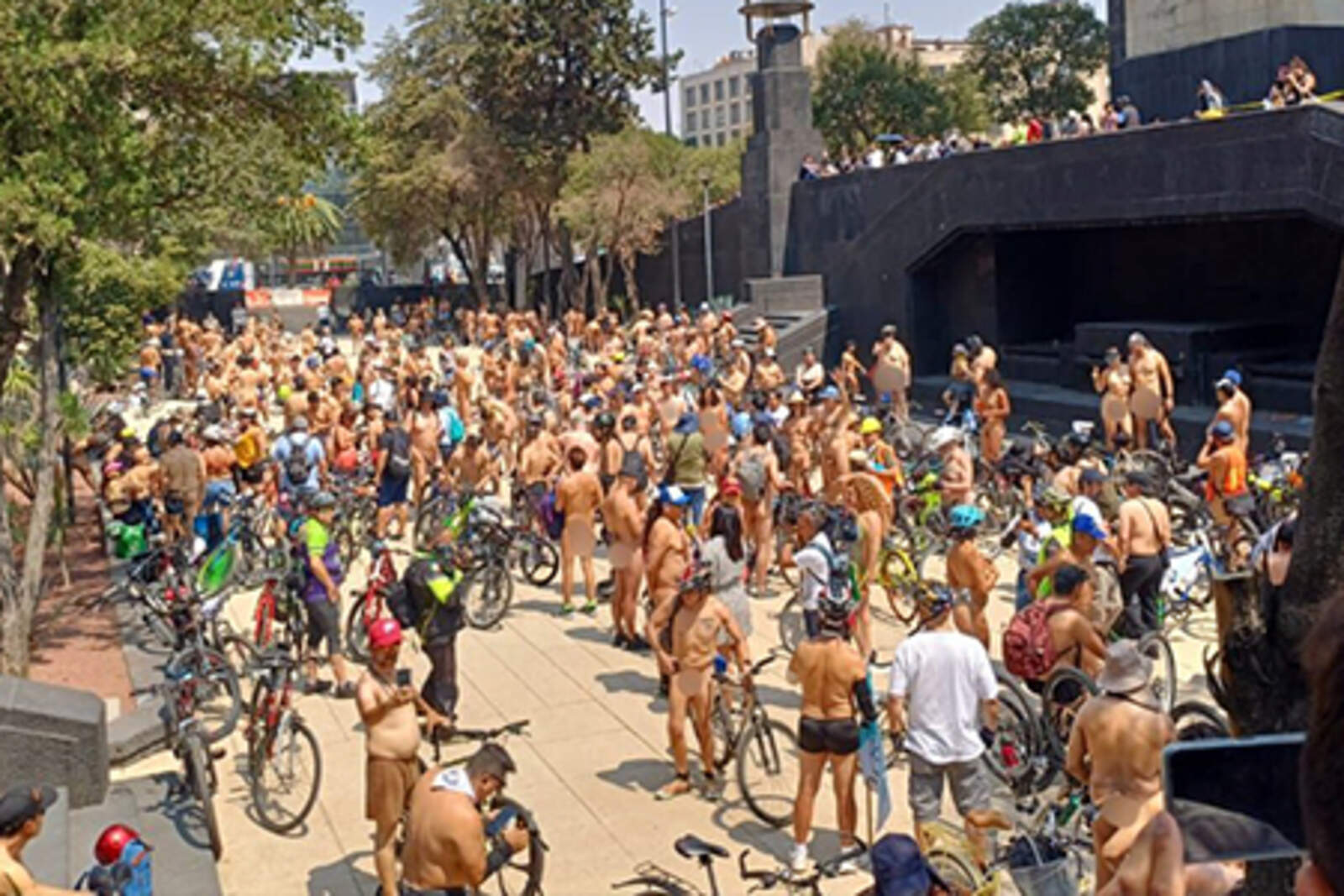
Where did this trend that went viral in recent years come from?
The World Naked Bike Ride had its beginnings in the 2000s as a protest in Spain and Canada. In 2004, social activist Conrad Schmidt organized the first official edition in Vancouver, and since then, the controversial nude march has spread to more than 70 cities around the world. London, Portland, and Byron Bay are some of the cities that allow this public exhibition under the argument of social protest.