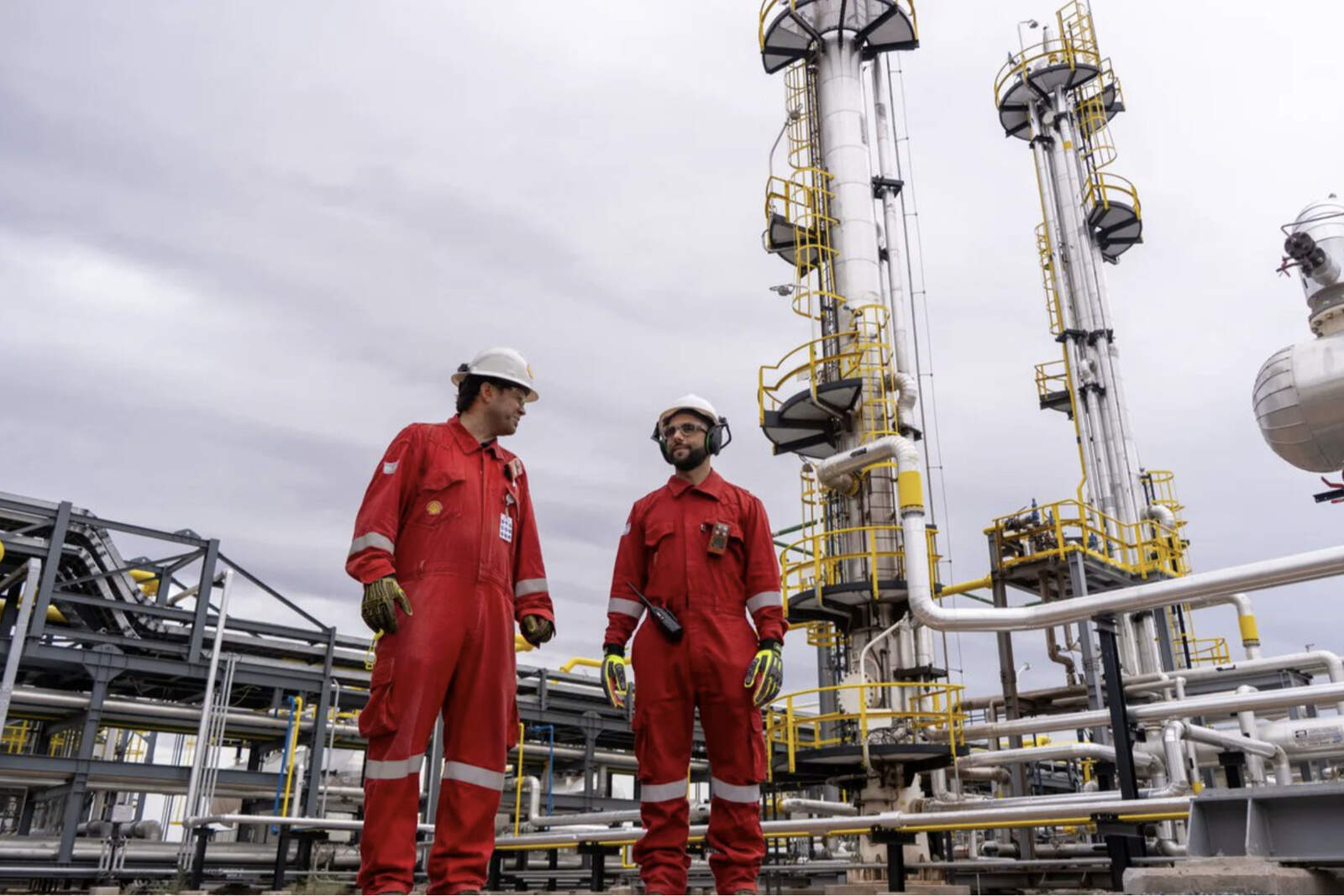
During the inauguration ceremony, Shell's President for Argentina, Chile, and Uruguay, Germán Burmeister, emphasized that the new plant is "essential for supporting the production curve and deepening the understanding of the area's geological potential."
Estimates of technically recoverable resources in the area reach up to 400 million barrels of oil and nearly 2 TCF of gas. These figures explain the company's sustained interest in consolidating infrastructure that makes it possible to scale up production in a progressive and efficient manner.
La planta, instalada en la Cuenca Neuquina, tendrá capacidad de procesar hasta 20.000 barriles diarios
Impact on the local value chain and signals to the market
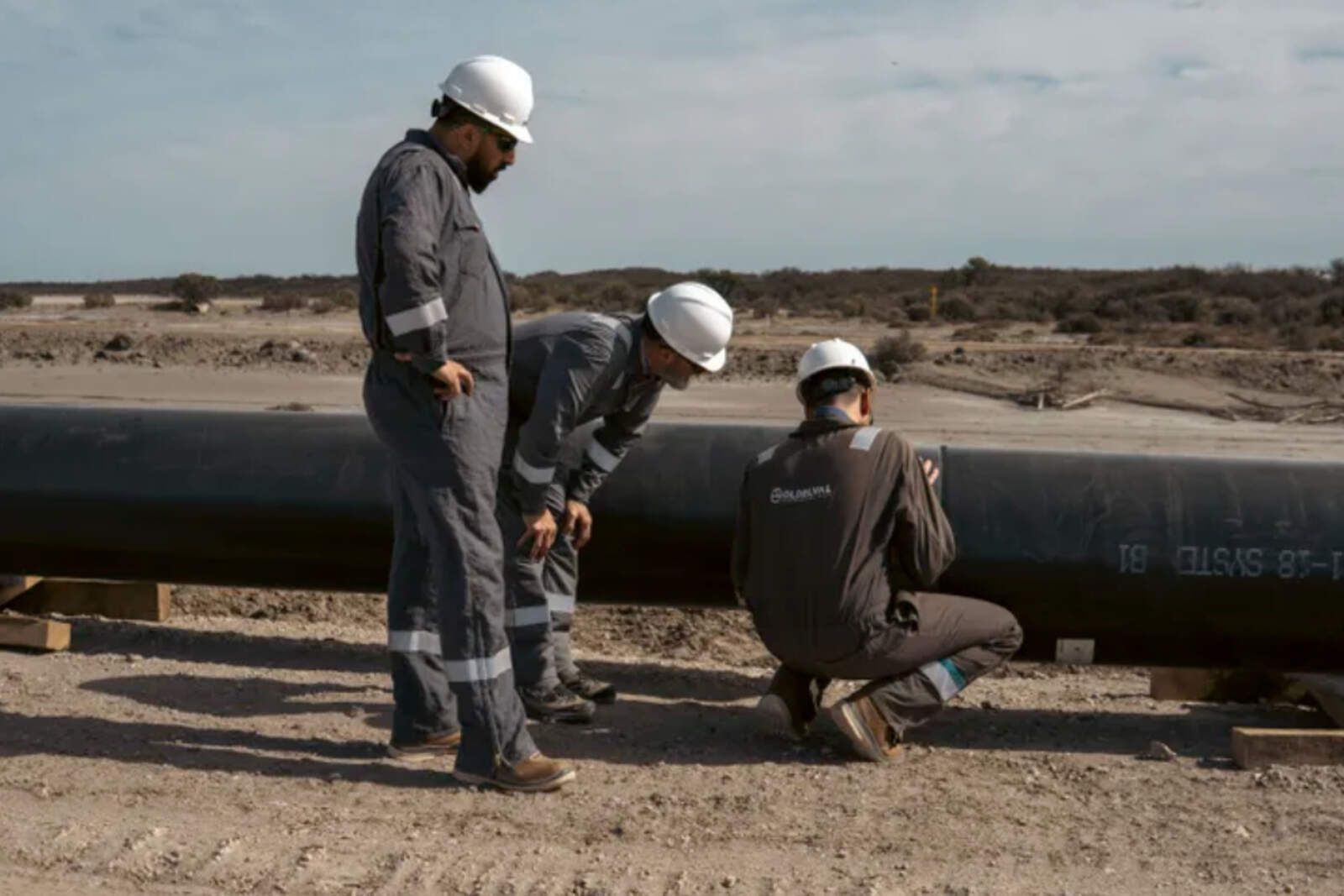
The construction of the EPS had a significant impact on regional activity. According to official data, more than 1,500 people participated directly and indirectly during the construction phase. In addition, more than 140 contractors and subcontractors were involved, mostly local companies linked to the hydrocarbon industry.
The project brought dynamism to the Neuquén Basin's value chain. It also reinforced the role of the energy sector as a generator of employment, investment, and economic activity in the country's interior.
Más empleo e impacto en la cadena de valor local
The commissioning of this new plant adds to a series of decisions that consolidate Vaca Muerta as one of the main energy investment hubs in the region. With clearer rules, greater macroeconomic predictability, and a framework that favors private investment, international companies are moving forward with long-term projects.
In this context, Shell's decision to expand infrastructure, create jobs, and plan new investments reinforces the strategic role of Argentine shale as a source of production, exports, and foreign currency generation for the country.
After the circulation of rumors about a possible divestment, Shell formalized a new operational milestone in Vaca Muerta with the inauguration of the Early Processing System (EPS) in the Bajada de Añelo block.
The commissioning of the new plant serves as a concrete confirmation of the company's continuity in the Neuquén Basin. Far from those reports, Shell moved forward with key infrastructure to support production growth and plans investments of around US$700 million in the country.
Shell avanza con una inversión de mas de 700 millones de dólares en Vaca Muerta
Productive capacity and cutting-edge technology
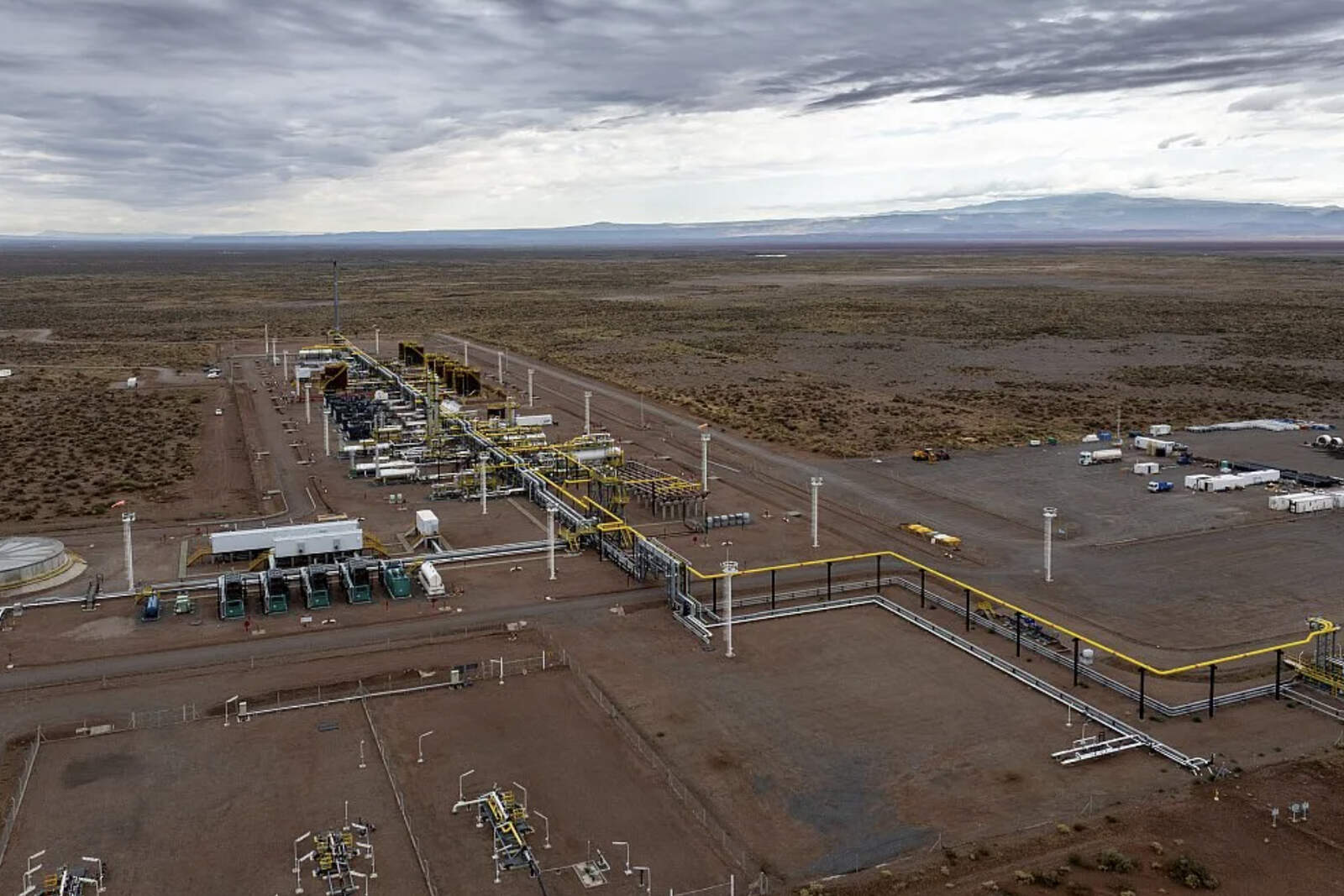
From an operational standpoint, the EPS was conceived as a strategic facility for the early treatment of fluids and the optimization of their evacuation toward existing transportation systems.
The plant has the capacity to process up to 20,000 barrels of oil per day and 2.5 million cubic meters of gas. This positions it as a central asset for scaling up production in one of the areas with the greatest potential in Argentine shale.
The facility incorporates automation systems that make it possible to monitor and adjust fluid processing in real time, with a focus on safety, energy efficiency, and environmental control.
Shell se consolida en Argentina con tecnología de punta
A strategic block in the Neuquén Basin
Bajada de Añelo is a block shared in equal parts between Shell and YPF, with an area close to 200 square kilometers (77.2 square miles). The operator also keeps a significant stake in other strategic areas of Vaca Muerta, such as Cruz de Lorena, Sierras Blancas and Coirón Amargo Sur Oeste, developed in partnership with Gas y Petróleo del Neuquén.