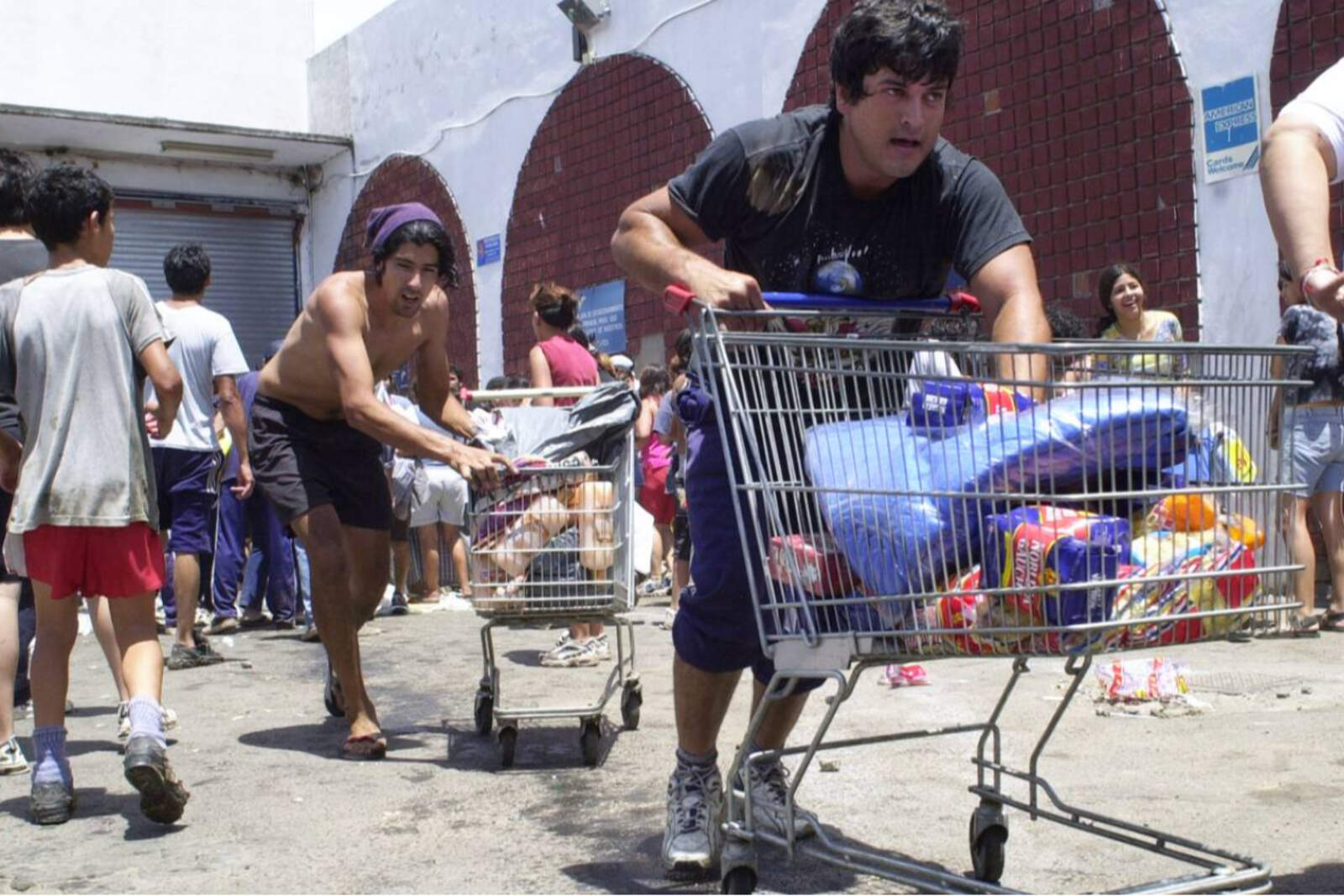

Argentina not only ends the year with stability, order, and growth. It ends it in peace. This fact—the best December in at least 25 years—is not minor. For decades, when Peronism did not control power, we became accustomed to associating the end of the year with looting, union pressure, street extortion, and organized chaos. Disorder was not a fatality: it was a method. Today, with Javier Milei in the Casa Rosada, normality has become news again. Not by magic or by luck, but due to a clear political decision: to enforce the law, to put public finances in order, and to tell society the truth.
This change of course explains everything else. The real adjustment—the one no government wanted or dared to make in decades—already shows concrete results. Primary public spending was reduced by the equivalent of USD 38,000 million in just two years and the size of the State fell to 31.4% of GDP, the lowest level since 2008. The delusion of 41.8% inherited in 2015 was left behind, when the State devoured resources without producing well-being. Less State is not an ideological slogan: it is more freedom to produce, invest, and work. Above all, it is more predictability.
This is why investment responds when the rules are clarified. A compelling example is Gualcamayo, the new project approved by the RIGI Evaluation Committee, with an investment of USD 665 million in gold and silver mining in San Juan. The project will make it possible to extend the useful life of a mine in an exhaustion stage and will create 1,700 direct jobs. With this one, there are already 10 RIGI projects approved, surpassing USD 25,000 million in committed investments. Quality employment, strategic sectors, and a long-term horizon: exactly what the statist model blocked for years with controls, confiscatory taxes, and political discretion.
The energy sector confirms the same pattern. Oil production is growing 32.9% year-on-year and gas production 3.4%, driven by Vaca Muerta. More production means more development, more genuine dollars, and more real sovereignty. Not the sovereignty proclaimed from a lectern while energy was imported at record prices and reserves were drained, but the one that is built by producing and exporting.
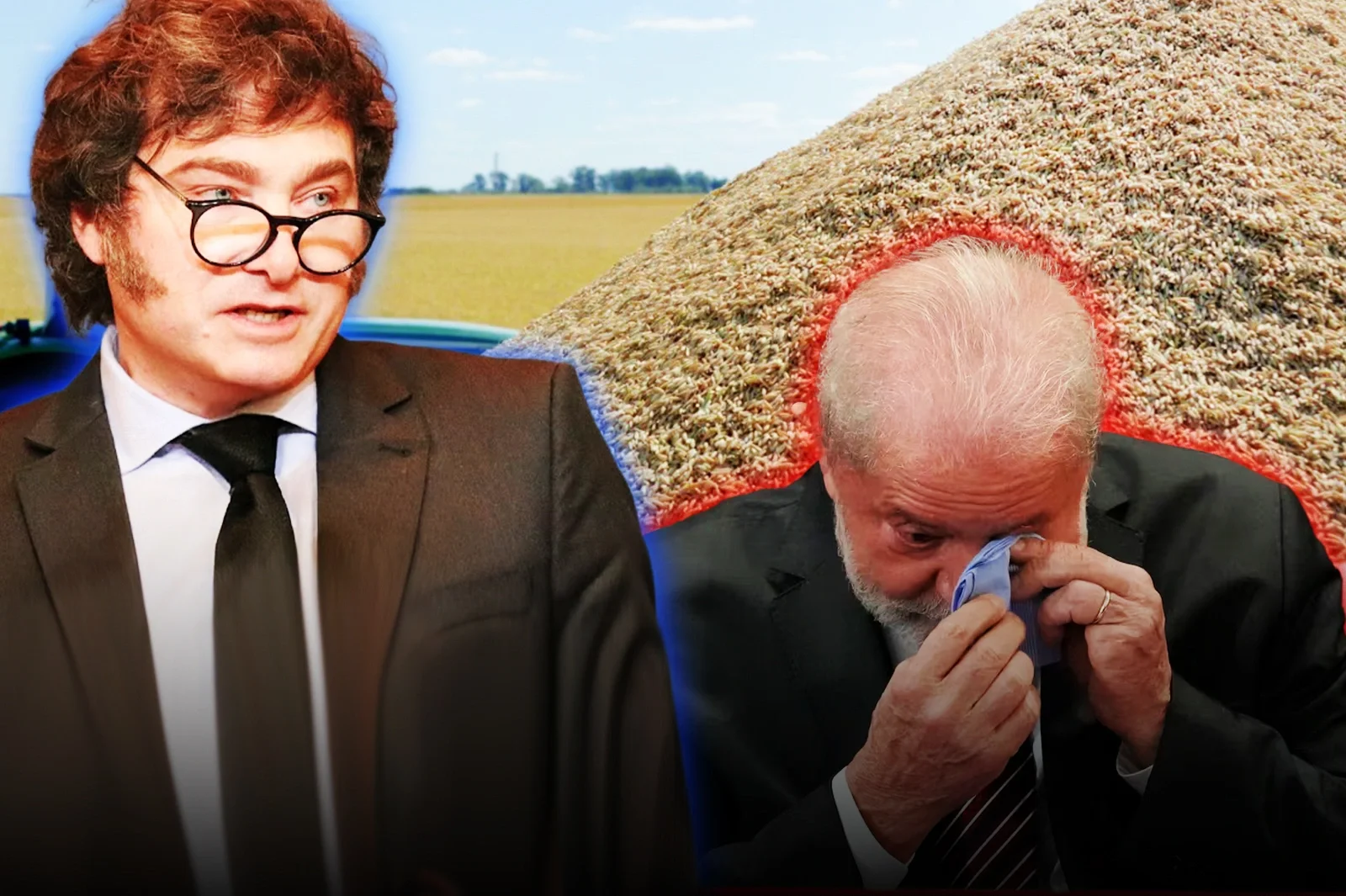
The agricultural sector has also turned the page. From importing wheat under Kirchnerism, we moved to exporting more than USD 5,000 million, a historic record. The agricultural chain grew 3.5% monthly and 10% year-on-year, the highest level since the Rosario Board of Trade index has been measured. This leap is not random: it is the direct consequence of having abandoned a paradigm that punished those who produce to replace it with another that once again rewards work, investment, and predictability.