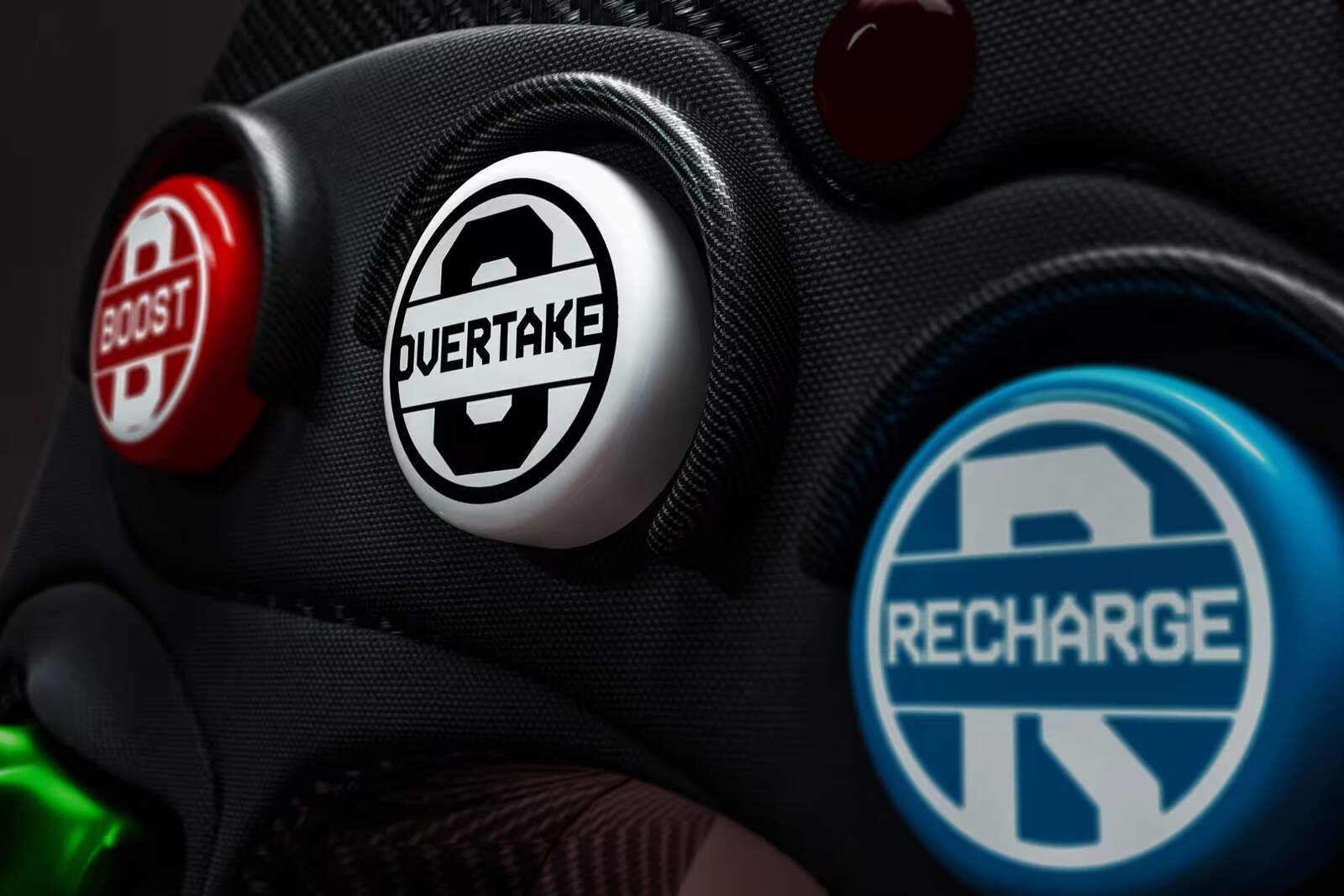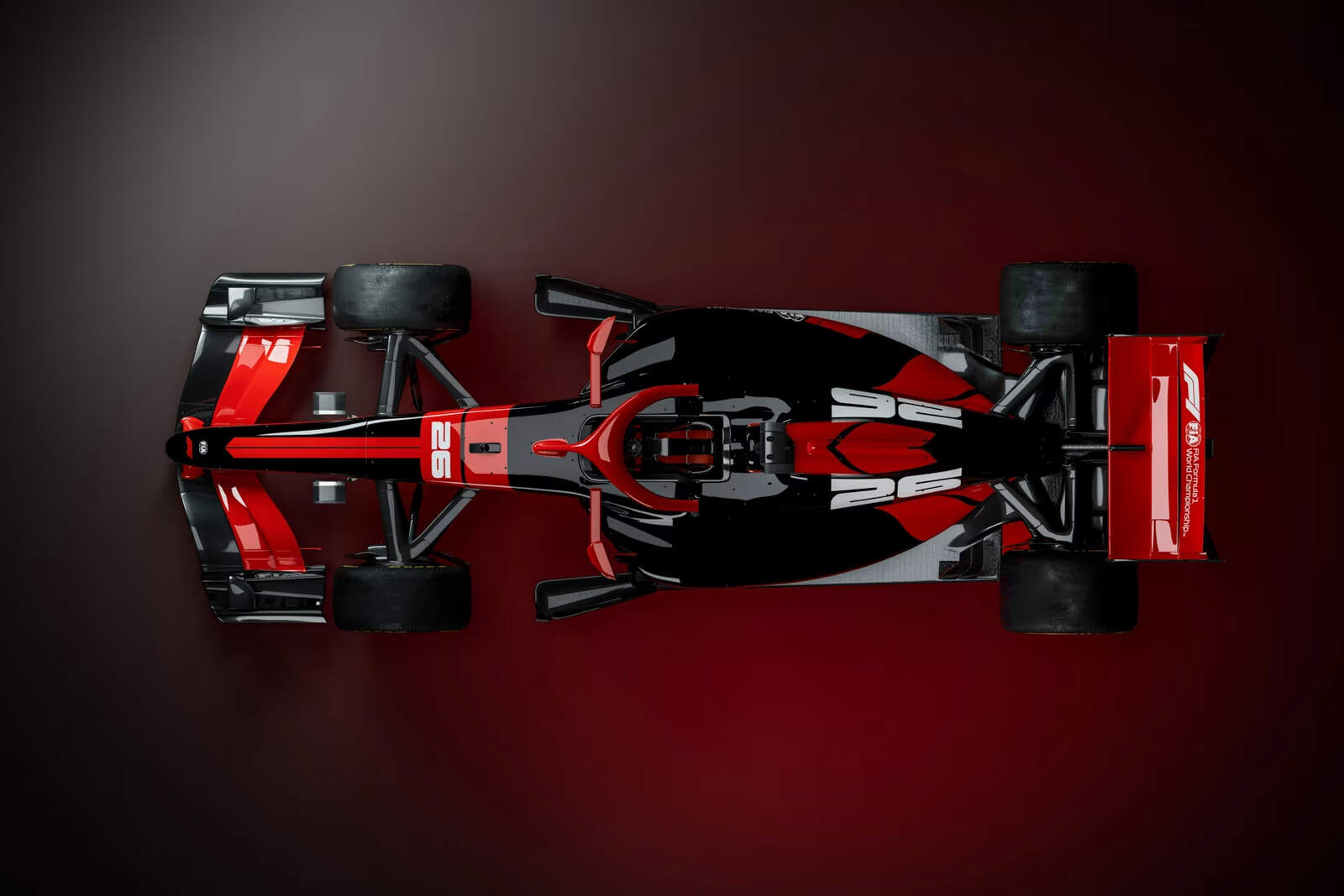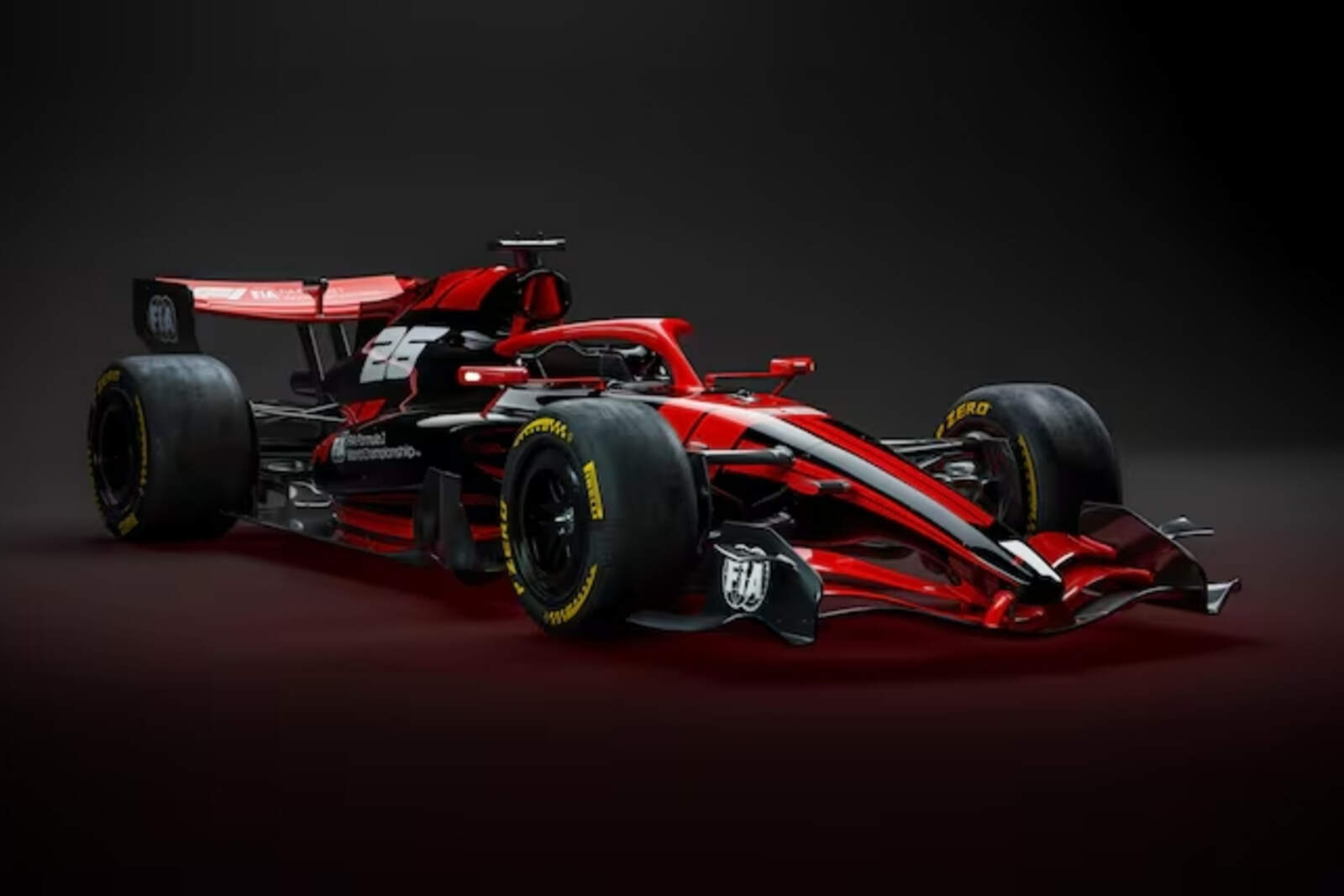

A few weeks before the start of testing, FIA took a new step in the countdown to the next major technical revolution in Formula 1. This Wednesday it presented a new batch of computer renders that anticipate how the single-seaters of the 2026 season could look, in what would be the third and final conceptual version released by the organization.
The first images of these cars had been revealed in June 2024, when the general lines of the new regulations were drawn. Then, in December of the same year, updated renders with the cars in action and predominantly blue livery appeared.
The most recent publication completes that journey and shows the concept with two variants: one in blue and another in black and red, colors that refer directly to the logo of the pinnacle, accompanied by the number "26" in white as a reference to the year the regulations will debut.
Beyond the visual aspect, the new illustrations make it possible to identify adjustments compared to the previous version. The most recent regulatory changes are reflected in changes to the sidepods and to the deflectors, key areas of aerodynamic design that will mark differences in this new generation.
In addition, the 2026 single-seaters will represent a break from the current ones from a technical standpoint. The chassis will be smaller and lighter, with a reduction of up to 30% in downforce after the elimination of ground effect, and a drop of close to 40% in drag. The objective is to reduce the "dirty air" that harms the cars running behind and to favor on-track battles.
To that is added "Active Aerodynamics", which will feature movable elements on both the front and rear wings. On the straights, the wings will adopt a specific mode to reduce drag and increase top speed, available to all drivers on every lap within the zones defined by FIA. In the corners, by contrast, they will return to their original position to maximize performance. This solution replaces DRS as it is known today and is complemented by new energy management modes.