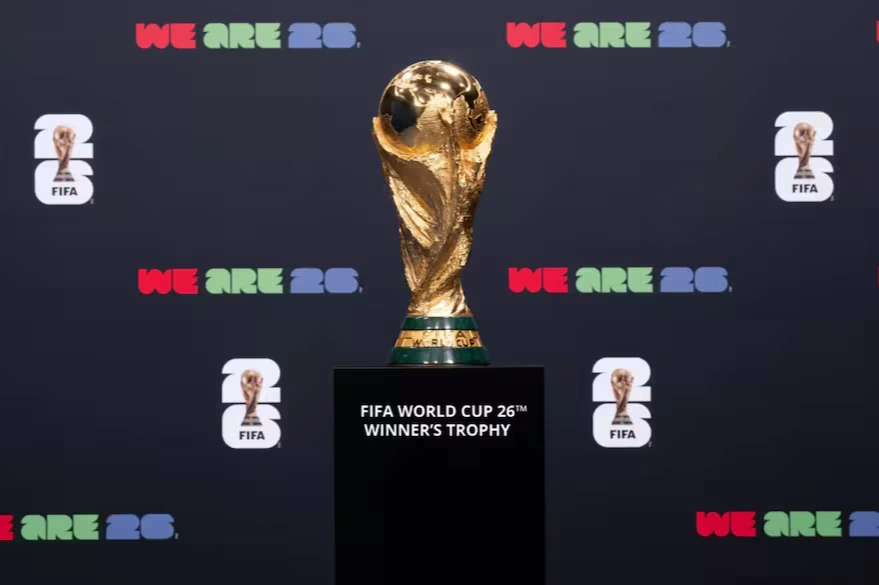
The 2026 World Cup will mark a before and after, not only because of its expanded format, but also because of the implementation of new rules. In the past few hours, the International Football Association Board (IFAB), the body responsible for defining the Rules of the Game, and FIFA announced modifications to reduce interruptions and accelerate the
pace of play.
One of the most significant changes concerns substitutions. From now on, players will have a maximum of 10 seconds to leave the field once the modificationhas been indicated. If the departure is delayed, the team will be left momentarily with one less player, since the replacement will only be able to enter after a subsequent arrest
. Players will have 10 seconds to leave the court when they are replaced
A five-second countdown system will also be implemented for stripe and arc kicks when the referee detects delays. If they are not executed within that period, the rival will automatically be removed
.
Along the same lines, there will be new restrictions for interruptions due to injuries. Any player who receives medical attention on the field must leave and stay out for at least one minute before being able to return, in order to avoid unnecessary simulations and waste of time
.
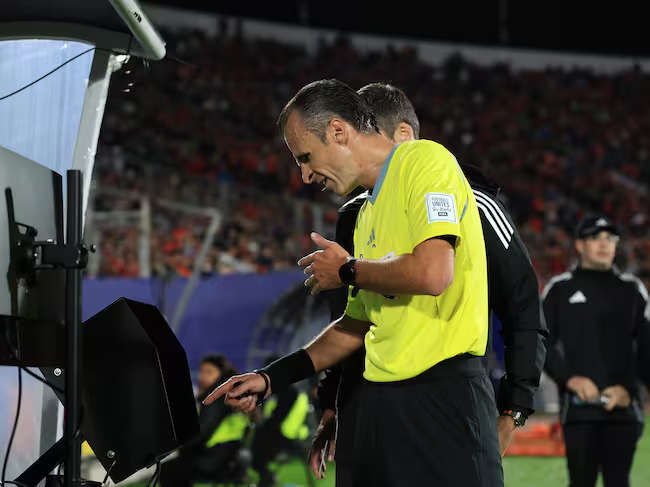
Technology will also play a larger role. The VAR may intervene in specific plays that were previously out of review, such as clearly incorrect second yellows or identity errors in disciplinary sanctions. In addition, its use is enabled in specific decisions such as poorly awarded corners, as long as the review does not delay the
game. The VAR will expand its areas of influence
Another new feature is that only the captain can go to the referee to talk, while the rest of the players can be sanctioned if they protest. The measure aims to tidy up the relationship within the field and avoid pressure on the judges.
With this package of changes, FIFA seeks to prioritize effective playing time and reduce one of the historic criticisms of the sport: deliberate delays. The 2026 World Cup will also serve as a global test bed for rules that could change habits rooted in professional football