In eastern Serbia, a team of researchers from the local Institute of Archaeology discovered a remarkably luxurious private bath at the base of a monumental tower. The discovery took place in the fortified complex of Vrelo-Šarkamen, an imperial palace associated with the Roman Emperor Galerius Valerius Maximianus.
Galerius ruled from 310 to 313 A.D. and took his own life after losing a civil war. The site, which belonged to him, still holds remnants from that era of power and conflict. Specialists did not expect to find such an elaborate thermal complex within a circular tower.
The structure was surprising because the arrangement of the spaces does not follow the usual scheme of Roman baths. In most cases, the rooms are aligned one behind the other. Here, however, the bathing rooms occupy only a section of the circle.
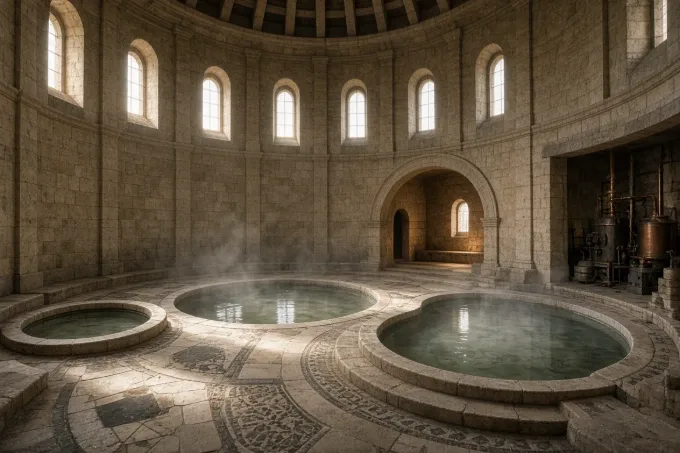
In the other half of the tower, the technical equipment was concentrated: the furnace, traces of a copper boiler, and the rest of the infrastructure necessary for the system's operation. The complex included heated floors, three basins, and a sauna.
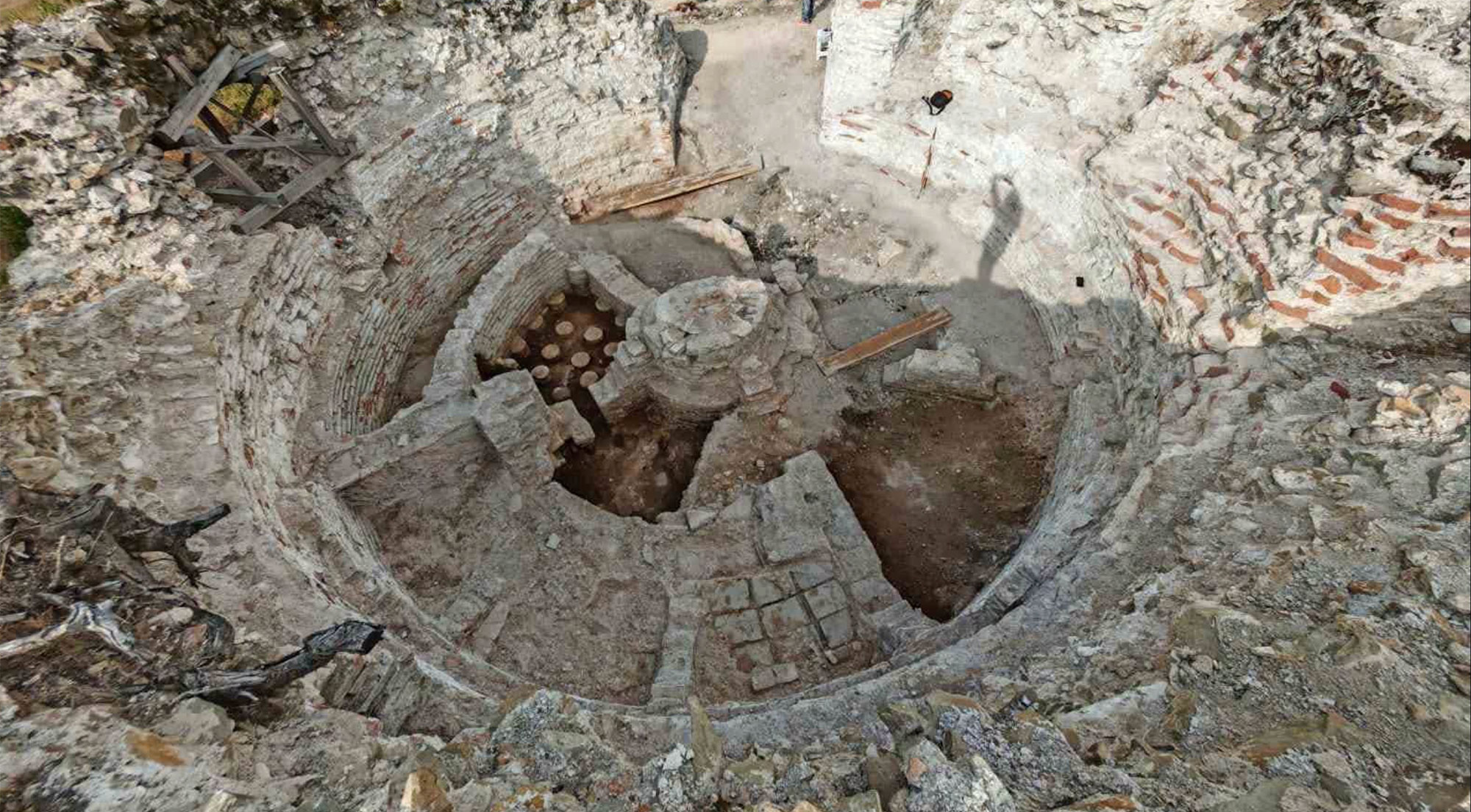
A tower turned into private baths
The bath had six windows and was originally covered by a vaulted ceiling. That dome, now gone, must have provided a sense of spaciousness and elegance to the area designated for the emperor or his closest circle.
The location at the base of a monumental tower reinforces the exclusive character of the complex. It was not a public bath open to the population, but a reserved space within the fortified enclosure of imperial power.
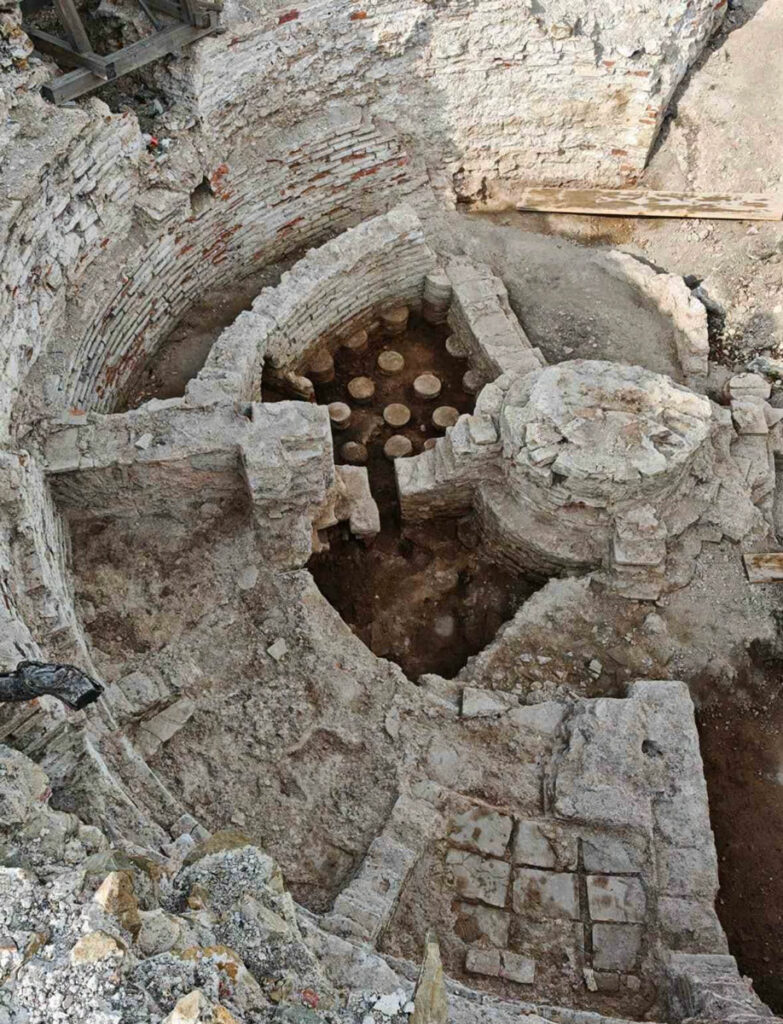
Researchers emphasize that the circular organization of the spaces forces a reconsideration of how Roman construction techniques adapted to defensive structures. The tower served not only a military or symbolic function: it also housed a high-level hygiene and relaxation space.
The finding adds another piece to the understanding of the daily life of emperors in the eastern provinces of the Empire. In a period of strong political instability, Galerius had facilities that combined comfort and advanced thermal technology for the time.
Technology and luxury at the edge of power
The presence of a copper boiler and a floor heating system shows the level of sophistication achieved. Keeping the water hot and the spaces at a pleasant temperature required precise control of the fire and the circulation of hot air.
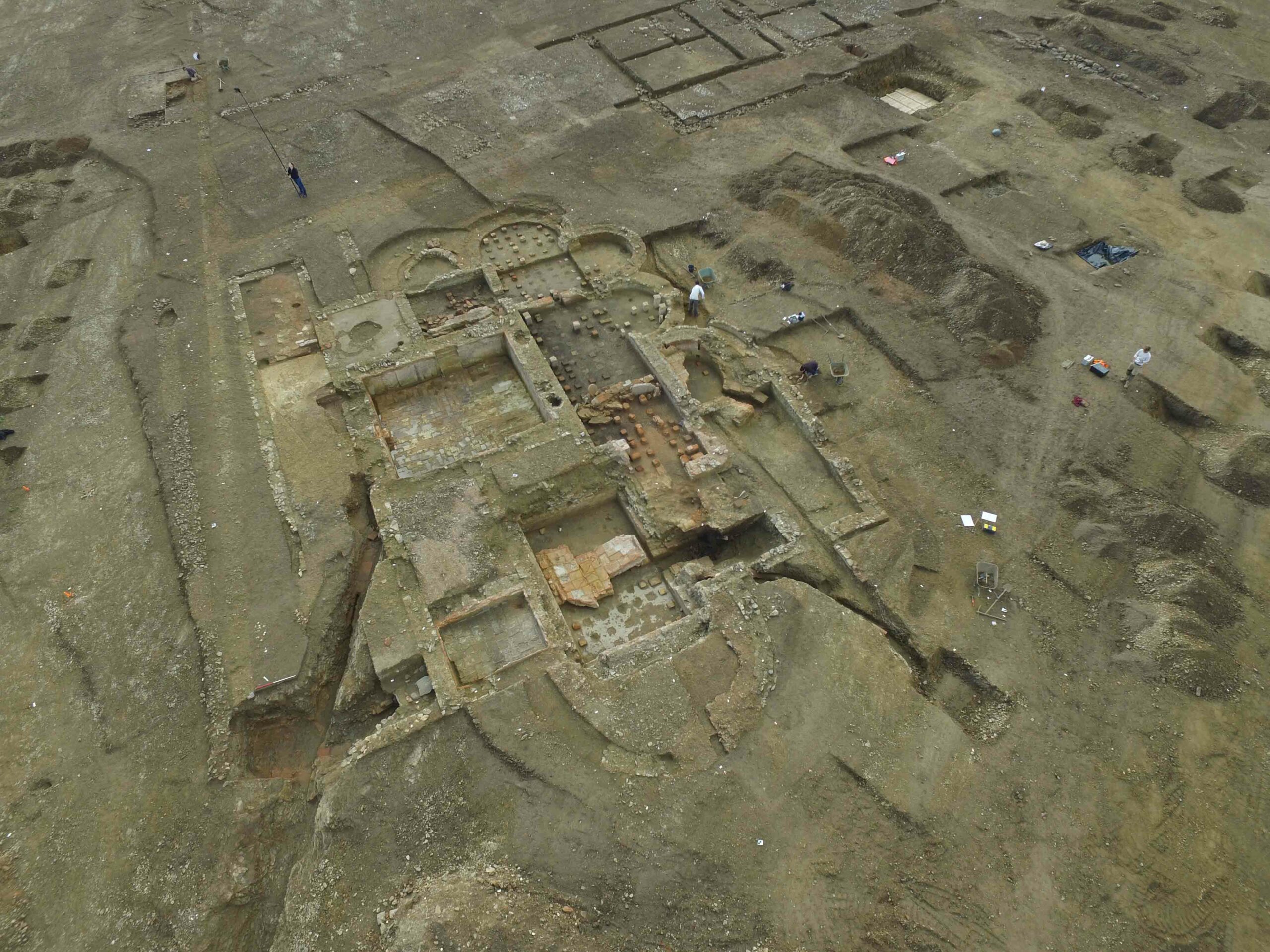
That all of this was concentrated in a single circular tower speaks of an intelligent design of the space. Archaeologists highlight that this architectural solution was not the most common, which is why the discovery is particularly valuable.
The Vrelo-Šarkamen complex continues to provide data about the final stage of Galerius's reign. Each new detail allows for a more precise reconstruction of how life was lived in those fortified palaces that combined defense, representation of power, and private comforts.
The bath found in the tower confirms that, even in times of civil war and crisis, thermal luxury remained a status marker. The sauna and the three basins were not minor details: they were part of the daily ritual of an elite that, shortly thereafter, would see their political project collapse.