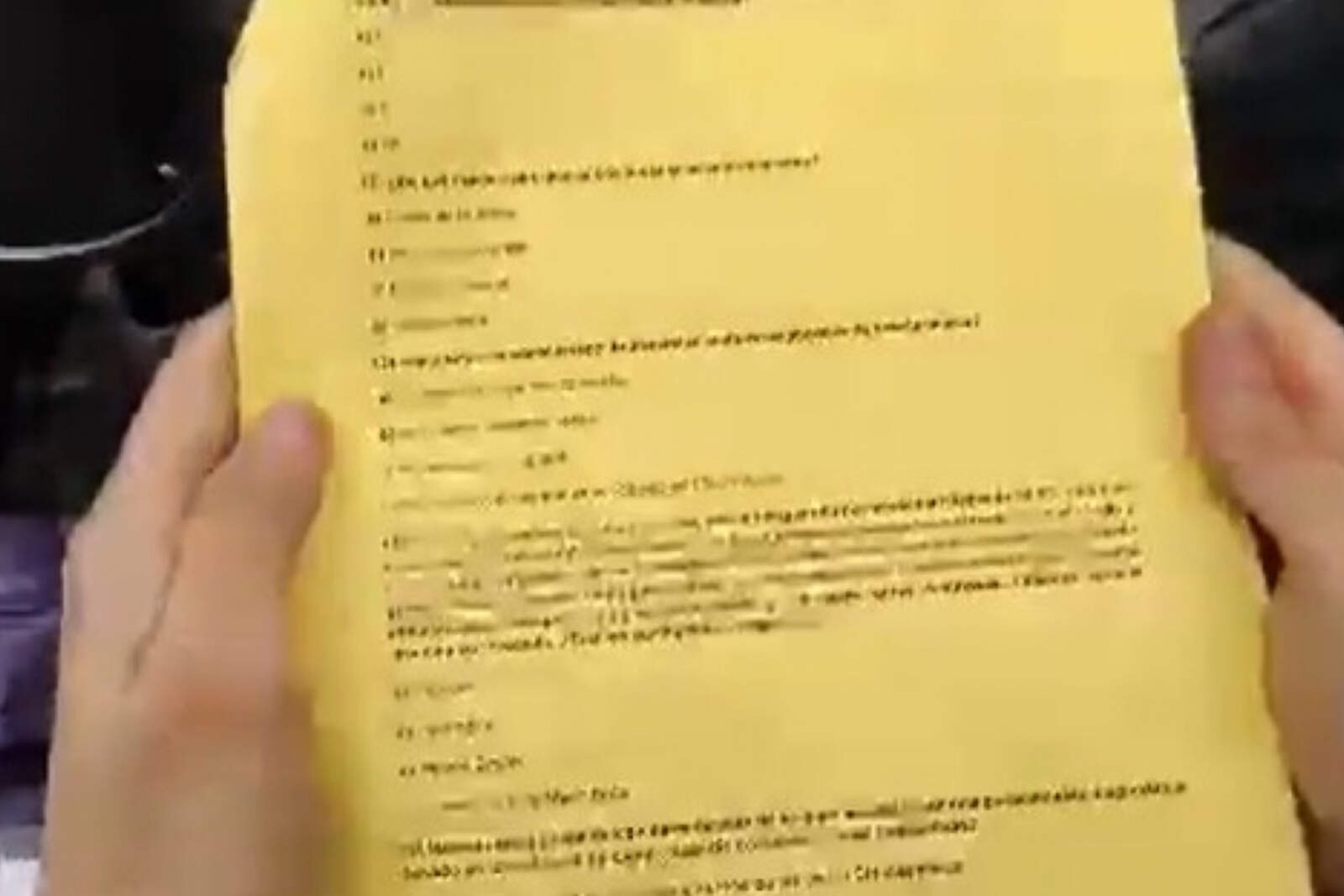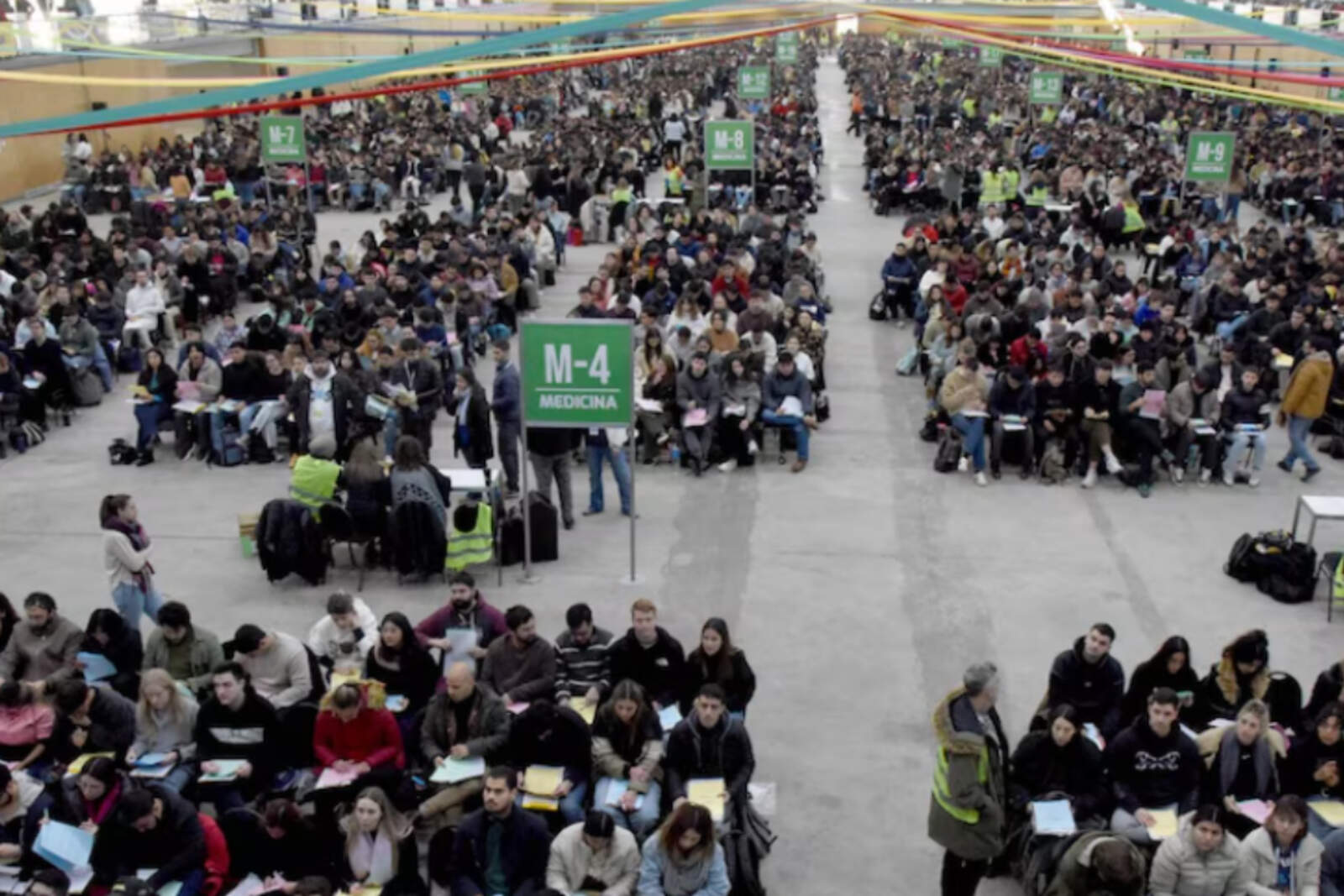

The scheme, according to the investigation, consisted of recording the questions, leaving the classroom with an excuse, sending the images to an external person, and returning with the answers. The accused obtained 92 points, when in a similar evaluation he had reached only 69.
The Ministry also reported the existence of paid groups on Telegram and WhatsApp where answers were offered. In addition, the use of devices such as earpieces to receive assistance during the test was detected.
The criminal case is progressing in the National Chamber of Appeals in Criminal and Federal Correctional Matters and involves both the material perpetrators and possible accomplices.
Official reactions and defense of academic merit
The Minister of Health, Mario Lugones, stated on social media: "Defending merit means ensuring quality, commitment, and responsibility in health care."
Meanwhile, the Undersecretary of University Policies, Alejandro Álvarez, revealed that about 45% of the 268 cases initially investigated correspond to graduates of foreign universities.
"Eighty-three percent appeared today. Not everyone cheated. Many are good professionals who will revalidate their grade," Vilches concluded.