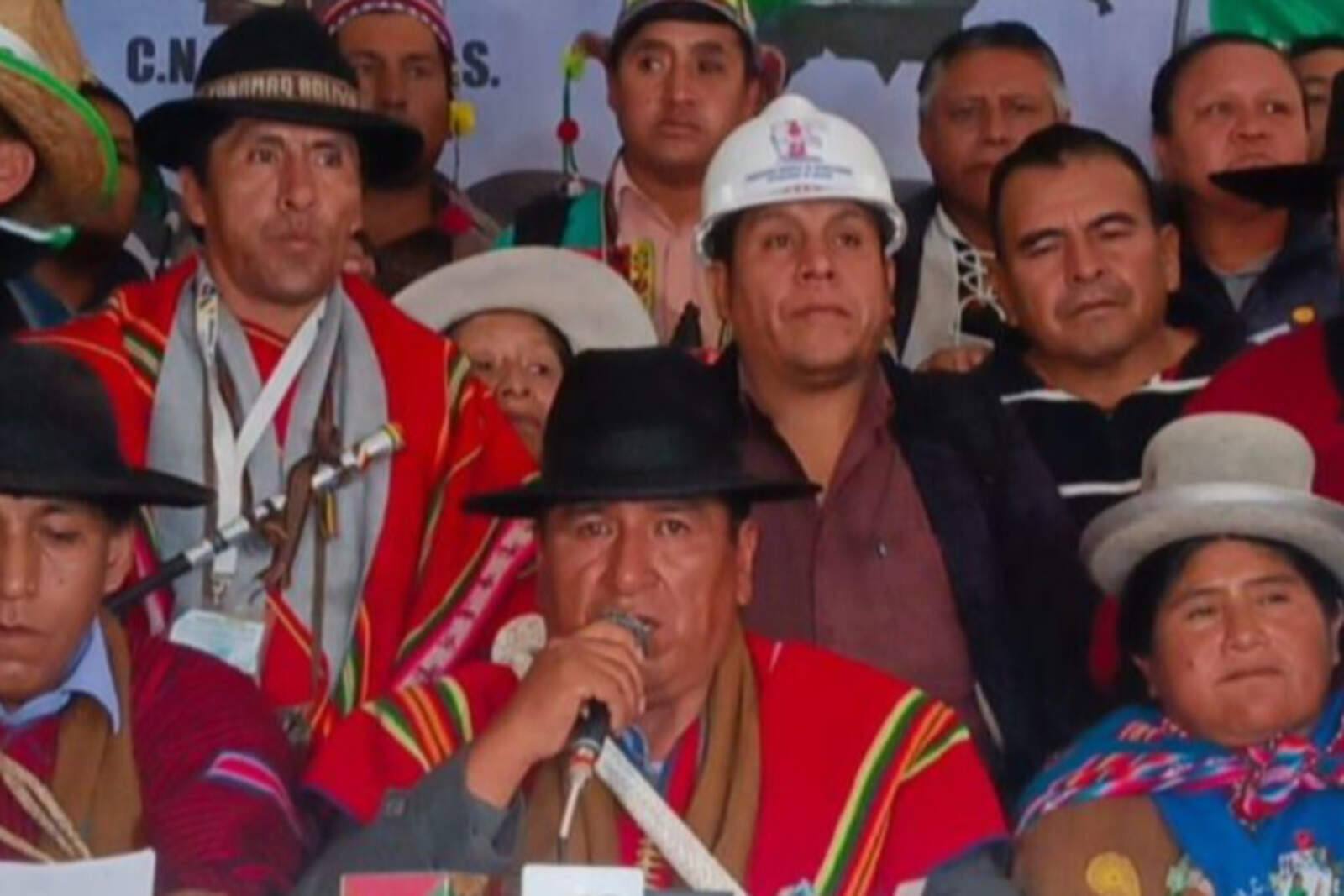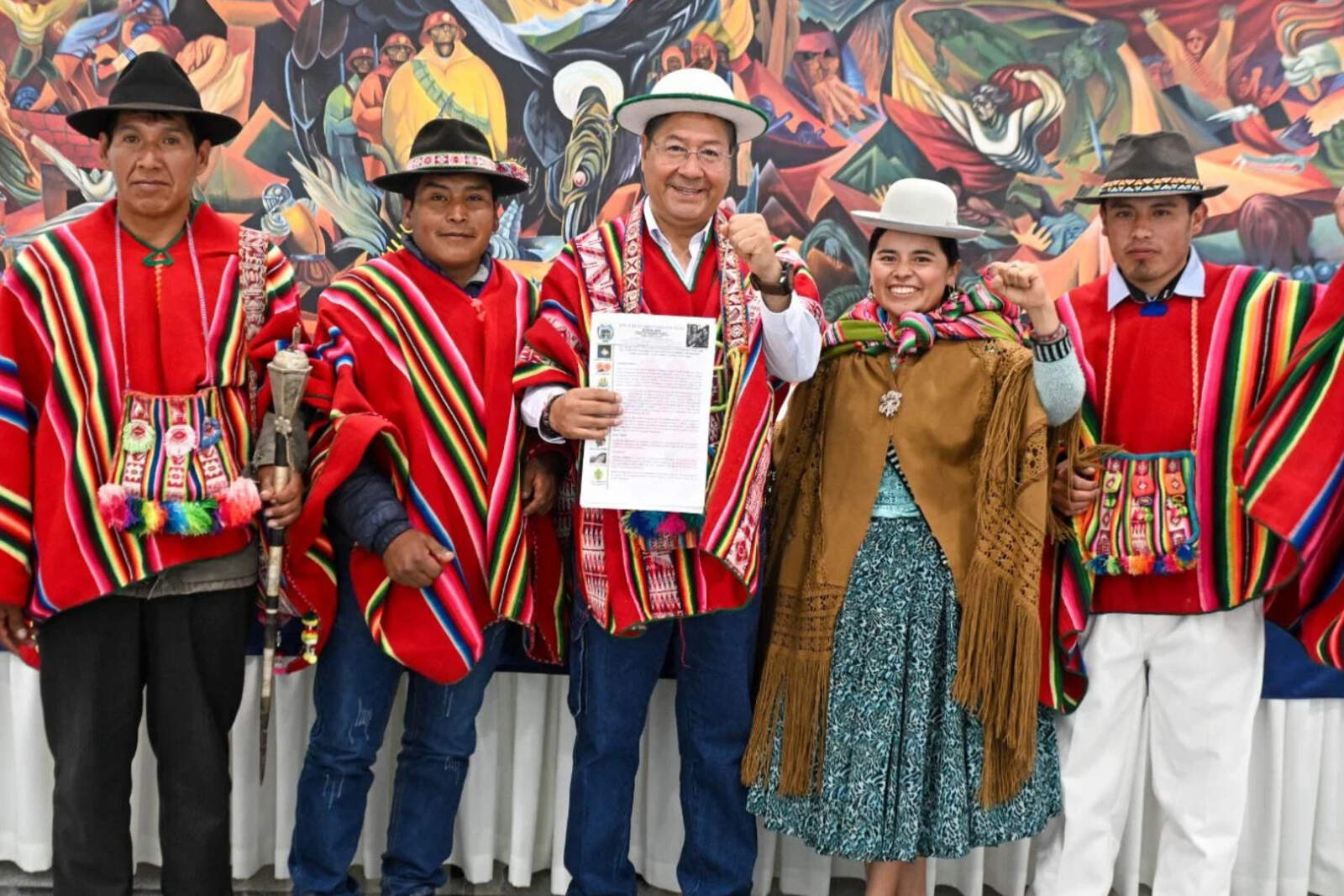

Beyond the construction of headquarters, irregularities have also been detected in the awarding of contracts. A particular case is that of the Single Trade Union Confederation of Peasant Workers of Bolivia (CSUTCB).
In less than two years, it received two different awards for the construction of its headquarters in La Paz. The amount of each exceeds 9 million bolivianos. To date, it has not been explained why the project was awarded again to another company.
Critics argue that the MAS has turned social organizations into bureaucratic structures at the service of power, stripping them of their function of representing the grassroots. The delivery of perks and benefits has denatured these sectors, transforming them into a mechanism of political control.
The impact of these practices goes beyond the economic. The co-optation of leaders and the creation of parallel organizations weaken citizen participation and consolidate a power model based on the dependence on state favors. This dynamic only seeks to perpetuate a system in which access to public resources is conditioned on political loyalty.
The allocation of resources for union headquarters in a context of economic crisis and urgent needs calls into question the government's true priorities. These actions seem to respond to a political survival strategy that seeks to consolidate the MAS's control over its bases, to the detriment of the public interest and the country's development.