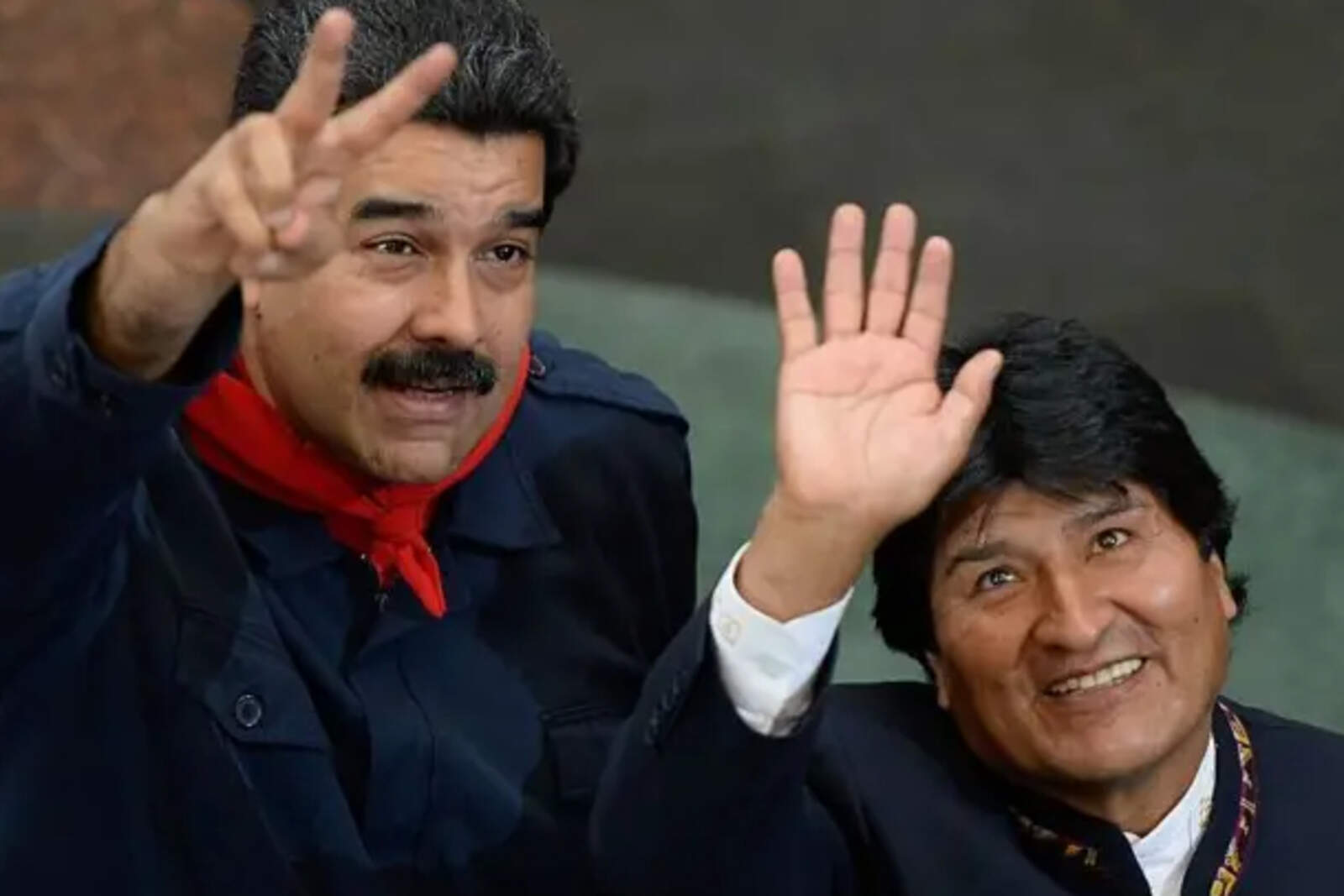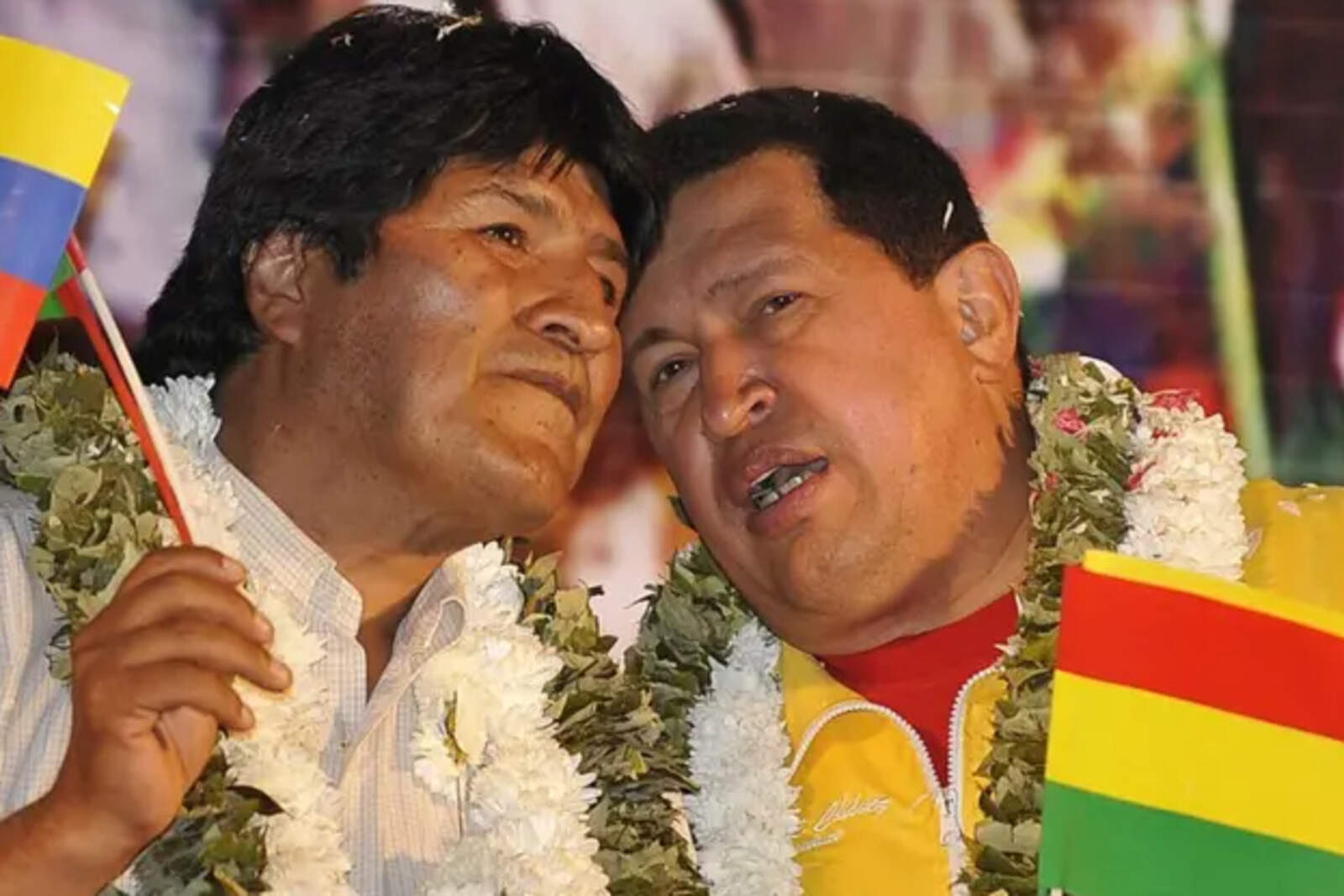

The leader of the masista regime, Luis Arce, recalled the support that Hugo Chávez provided to the Movement for Socialism (MAS) during his tenure in Venezuela. In a message shared on social media this Wednesday, Arce highlighted the figure of the former Venezuelan president and his contribution to the consolidation of the so-called "Process of Change" in the country.
Chávez, who governed Venezuela between 1999 and 2013, played an essential role in the articulation of a political and economic alliance with Bolivia. His support for Evo Morales since his rise to power in 2006 was key to strengthening masista authoritarianism. The regime implemented a government model based on state control of strategic sectors.
In his message, Arce emphasized that Chávez was a leader who sought Latin American integration and social justice. He also highlighted the role he played in the creation of socialist organizations such as the Bolivarian Alliance for the Peoples of Our America (ALBA) and the Community of Latin American and Caribbean States (CELAC).
Chávez's impact in Bolivia was manifested not only in political support but also in the financing of social projects. During his government, Venezuela became one of the main lenders to the Bolivian state, increasing bilateral debt by 800%.
The influence of Chavismo in Bolivia became evident in the disastrous economic model promoted by Morales. The expulsion of the United States embassy and alignment with countries like Cuba and Nicaragua were some of the measures inspired by Chávez's policy.
However, the passage of time has revealed the challenges of this model. The economic crisis in Venezuela and Bolivia's financial problems have raised questions about the viability of the scheme promoted by both leaders. The fall in gas prices and high levels of indebtedness have cast doubt on the sustainability of the "masista model."