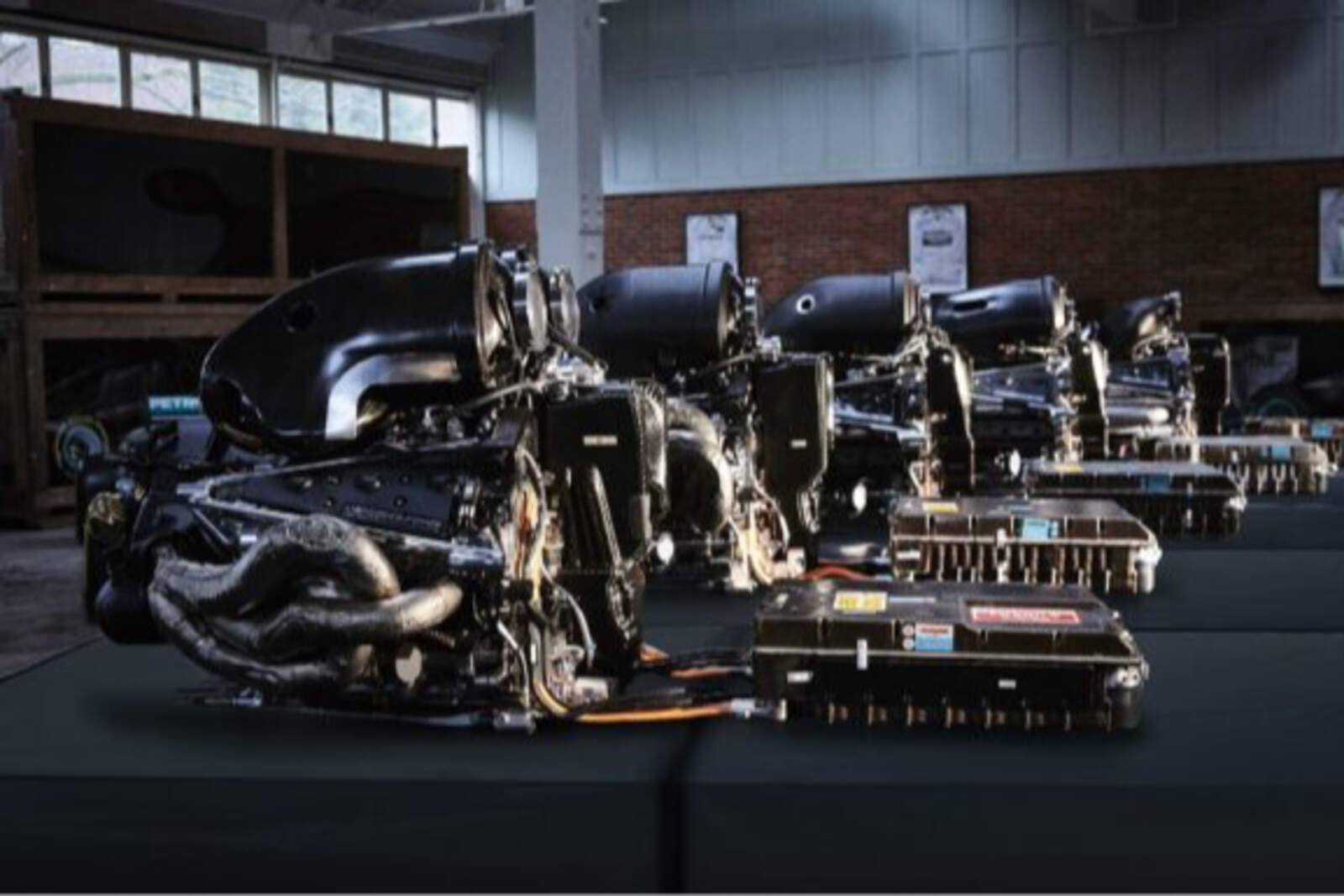
The controversy gains more strength if one considers that in 2026 the German brand will supply power units to McLaren, Williams and Alpine, in addition to its own team, while Red Bull will power themselves and Racing Bulls.






The organization would have considered variable compression systems legal, which would have given both the German brand and Red Bull a technical advantage over their rivals
The controversy gains more strength if one considers that in 2026 the German brand will supply power units to McLaren, Williams and Alpine, in addition to its own team, while Red Bull will power themselves and Racing Bulls.





Before the 2026 regulations come into effect, Formula 1 is already facing its first source of tension. Recently, the development of the new Mercedes and Red Bull engines caused concern among rival teams over a possible technical loophole that could translate into an on-track advantage. However, this controversy might have already been solved.
According to the Italian version of the specialized portal Motorsport, the Fédération Internationale de l'Automobile (FIA) has reportedly determined that combustion chambers are legal as long as, in tests at room temperature, they register a compression ratio of 16:1, regardless of the fact that during hot use that value increases.
This green light would imply that, in practice, the actual operation could rise to 18:1 due to parts designed to expand at high temperatures, which would improve fuel efficiency and provide extra performance at a key moment in the rules cycle.
Franco Nugnes, the author of the article who addressed the issue, compared this FIA reasoning with DRS: a system that is legal because it doesn't move in static tests, but that does deform under aerodynamic load. Under that logic, the authority understands that the component is valid as long as it meets the parameters under testing conditions.
Although no teams under investigation were officially revealed, all eyes are on Mercedes and Red Bull. According to Nugnes's analysis, the engines could provide an approximate gain of ten horsepower, enough to deliver a few tenths of an advantage per lap in a sport where every detail is decisive.
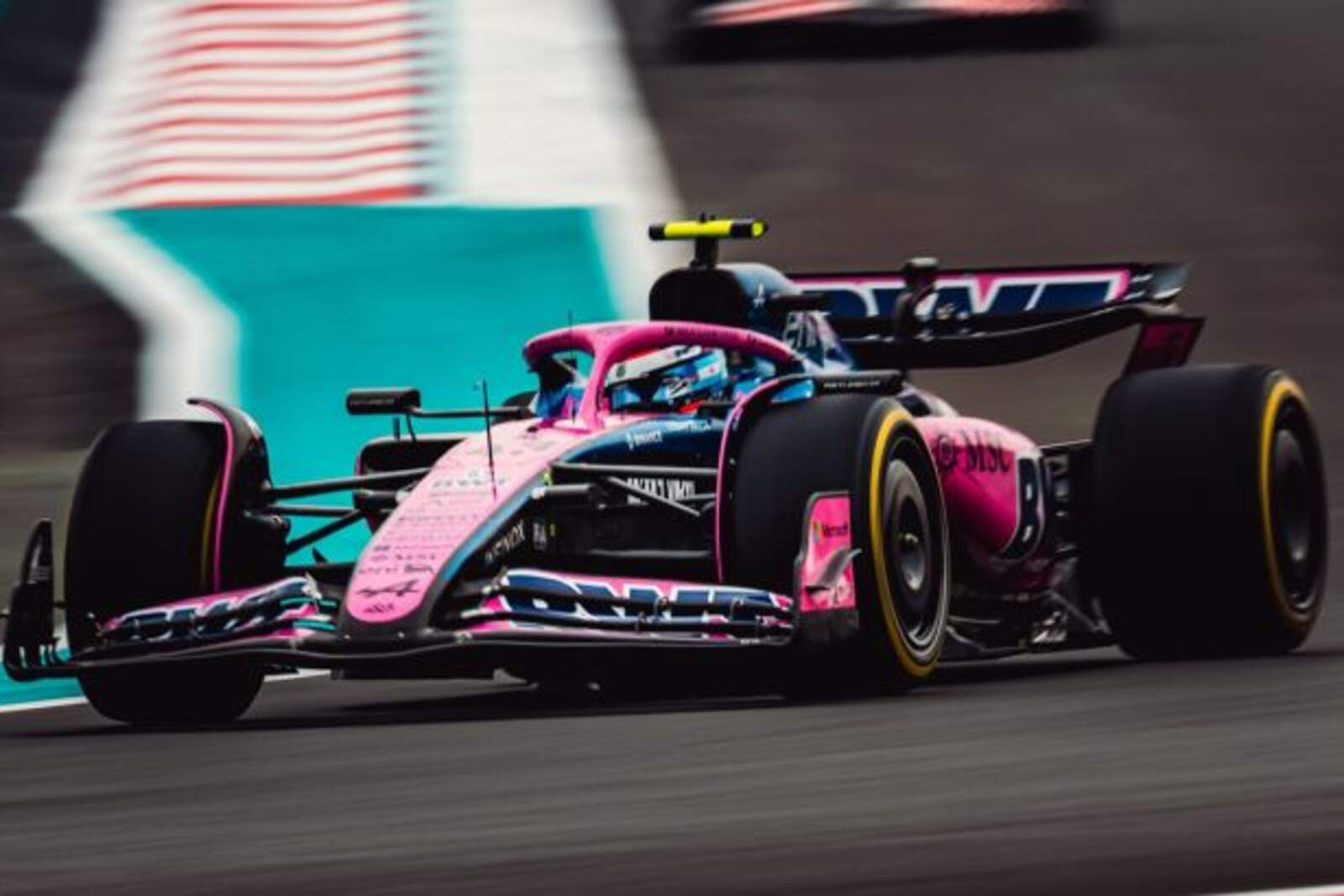
Meanwhile, the affected parties, Ferrari, Honda and Audi, had submitted a formal request to the FIA to ask for greater clarity regarding the legality of the development, since, if it ultimately receives the green light, they will not be able to intervene in the combustion chamber before 2027 to match the performance because of the time it takes to make changes to the 6-cylinder engines.
Beyond this, in the face of possible disparity, the regulations provide that manufacturers who fall behind may access Additional Development Opportunities (ADUO), a tool intended to balance performance throughout the regulatory cycle.
In that regard, every six Grands Prix of 2026 (1-6, 7-12, 13-18), the FIA will verify the performance of the internal combustion engines. If it detects differences greater than 2% compared with the best engine, it may authorize additional development for the affected manufacturer, and that margin could increase to two developments if the gap exceeds 4%.
The technical board for 2026 is still far from being defined, but the FIA's preliminary approval is already moving the pieces. For now, Mercedes and Red Bull appear to be better positioned, while the rest await official clarifications and resort to regulatory channels in order not to be at a disadvantage from the outset.