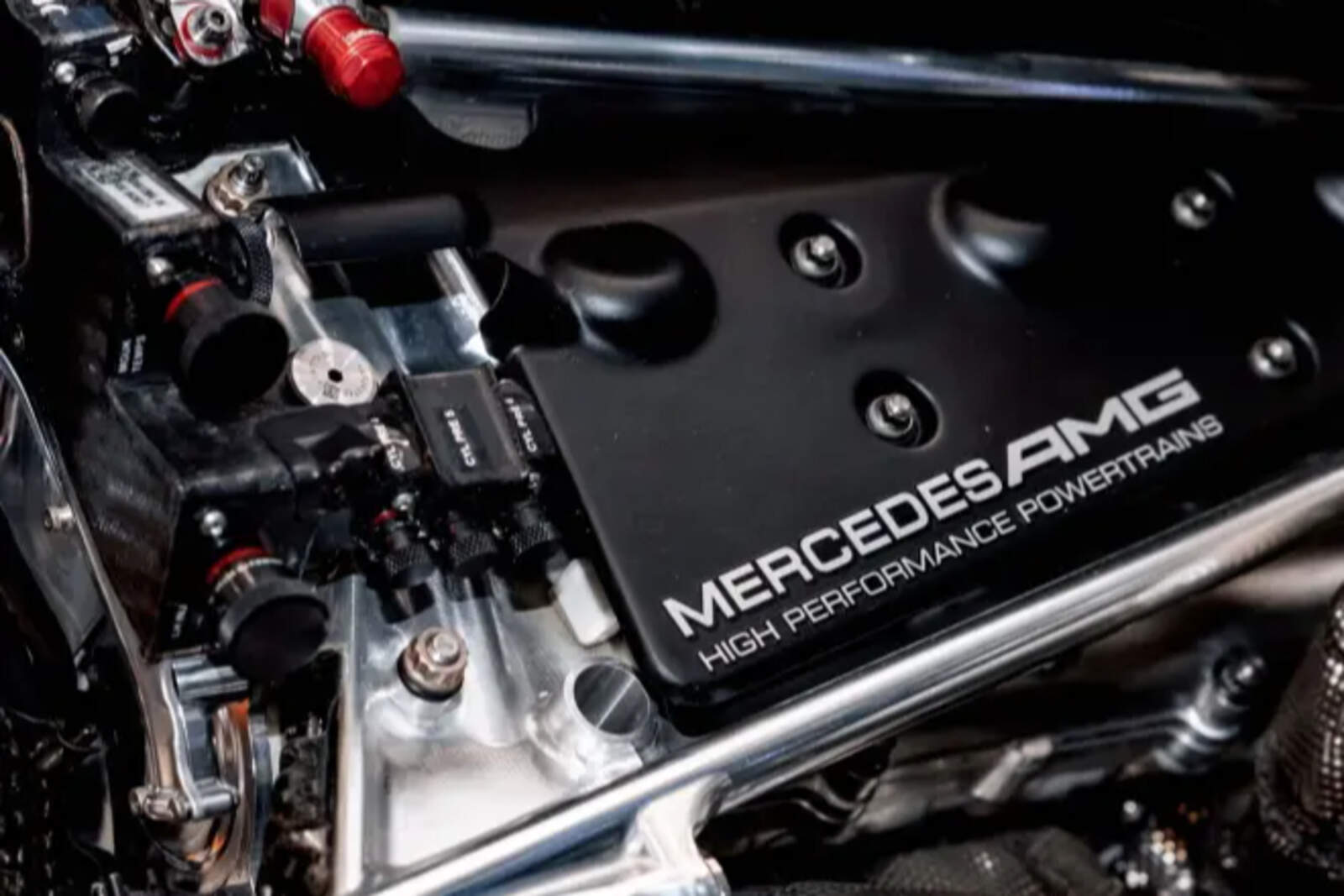
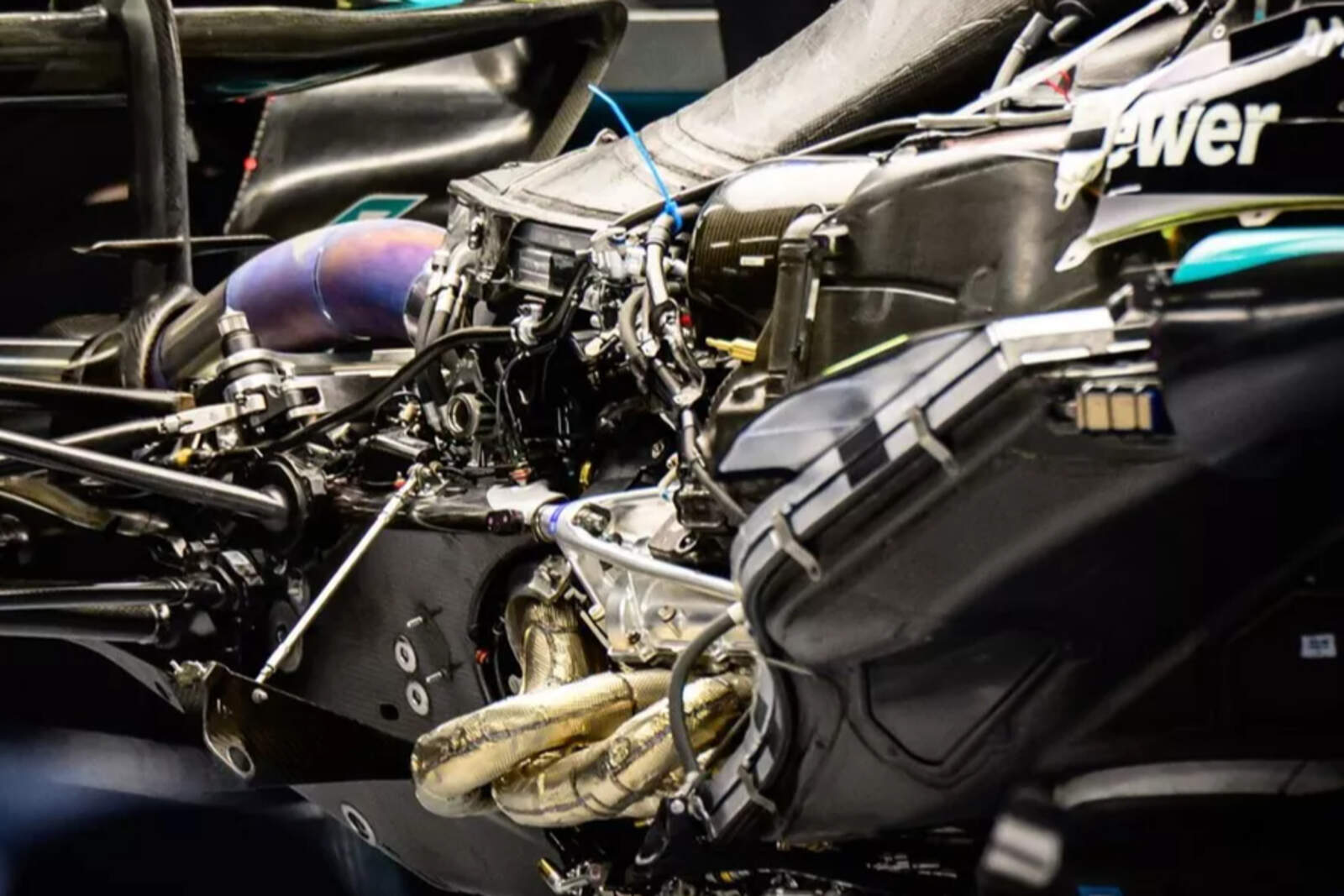
The issue was addressed in recent technical meetings, with special attention on Article C5.4.3 of the regulations. For 2026, the regulations reduce the maximum compression limit from 18.0:1 to 16.0:1, but maintain the same verification method at ambient temperature. In that context, it is noted that the engines must comply with the regulations at all times during the weekend and not only during checks, which opens the door to a possible intervention by the FIA.
The potential benefit of this type of solution would not be minor: a higher compression ratio implies improvements in both performance and fuel efficiency, a factor that could create significant differences at the start of the new technical era. For this reason, the expectation is that the governing body will call new discussions to close the issue before the cars finally take to the track.
The impact of a possible regulatory correction fully reaches Alpine, which from 2026 will use Mercedes engines just like the German team itself, McLaren and Williams, while it could also affect both Red Bull and Racing Bulls, both with engines from the energy drink brand. Any last-minute adjustment could change the projected scenario and force a rethink of strategies that have already been defined.
With the designs homologated and the Barcelona and Bahrain tests getting closer and closer, caution coexists with mistrust. The technical war is already underway and everything indicates that the engine battle will be one of the major focal points of tension on the road to the 2026 Formula 1 season.
Formula 1 began contesting the 2026 championship long before the cars go out to race. In the run-up to the debut of the new technical regulations, tensions between the teams are growing and Alpine appears at the center of the scene because of a possible problem with theMercedes engines, the pillar on which Franco Colapinto's team places a large part of its expectations for the novel regulatory era.
In recent weeks, several teams have put under suspicion the work that Mercedes and Red Bull have been doing in an especially sensitive area of the technical regulations, which has led to formal complaints to the FIA over alleged developments that, although they could comply with current checks, would go against the spirit of the rule.
The controversy revolves around the compression ratio of the power units. According to different specialized outlets, both manufacturers have allegedly found a technical loophole through the use of components designed to be able to expand when the engine reaches its operating temperature. That characteristic would allow the actual compression on track to be higher than what can be recorded during official inspections, which are carried out with the engine cold.
Mercedes y Red Bull sacarían ventaja con los componentes de compresión