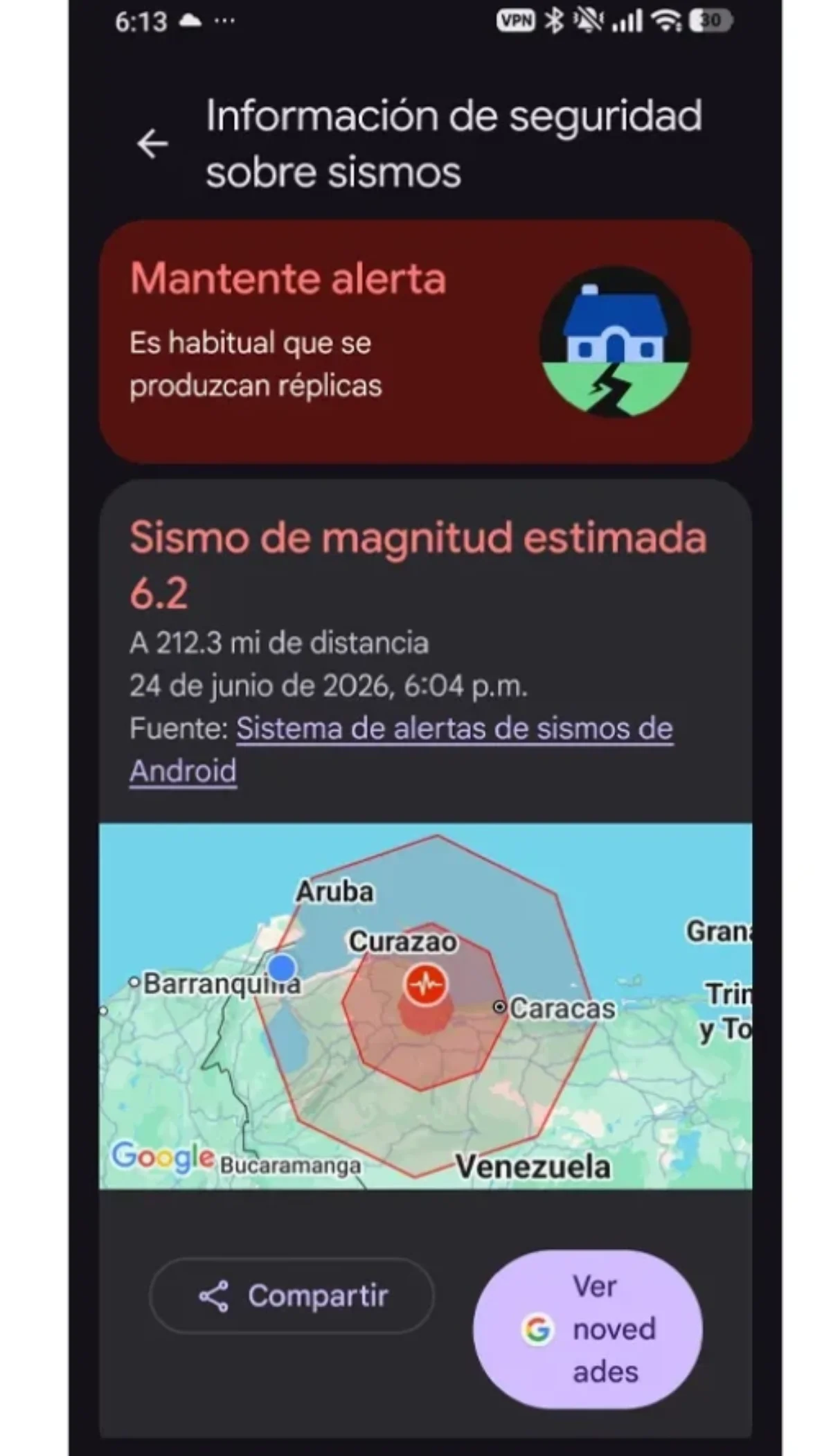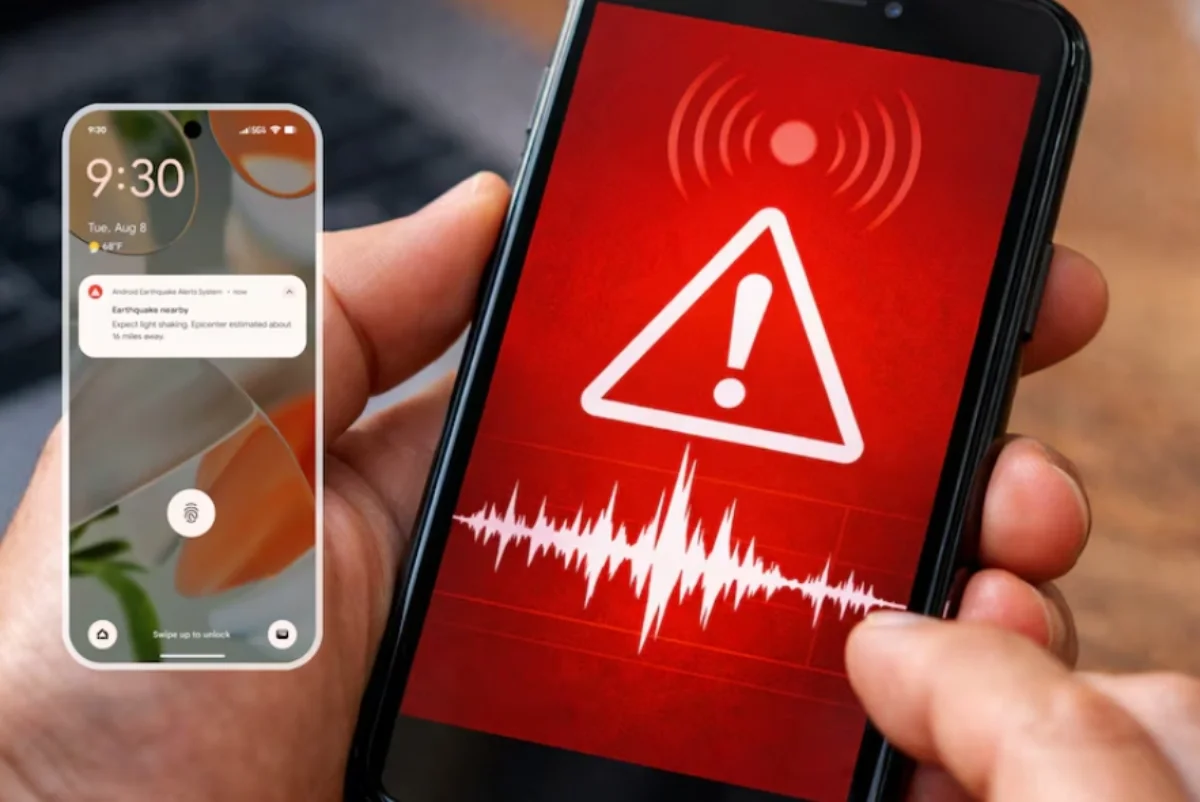

The devastating earthquakes recorded in Venezuela have once again brought under scrutiny one of the most advanced technological tools of recent years: Google's earthquake alert system for Android devices.
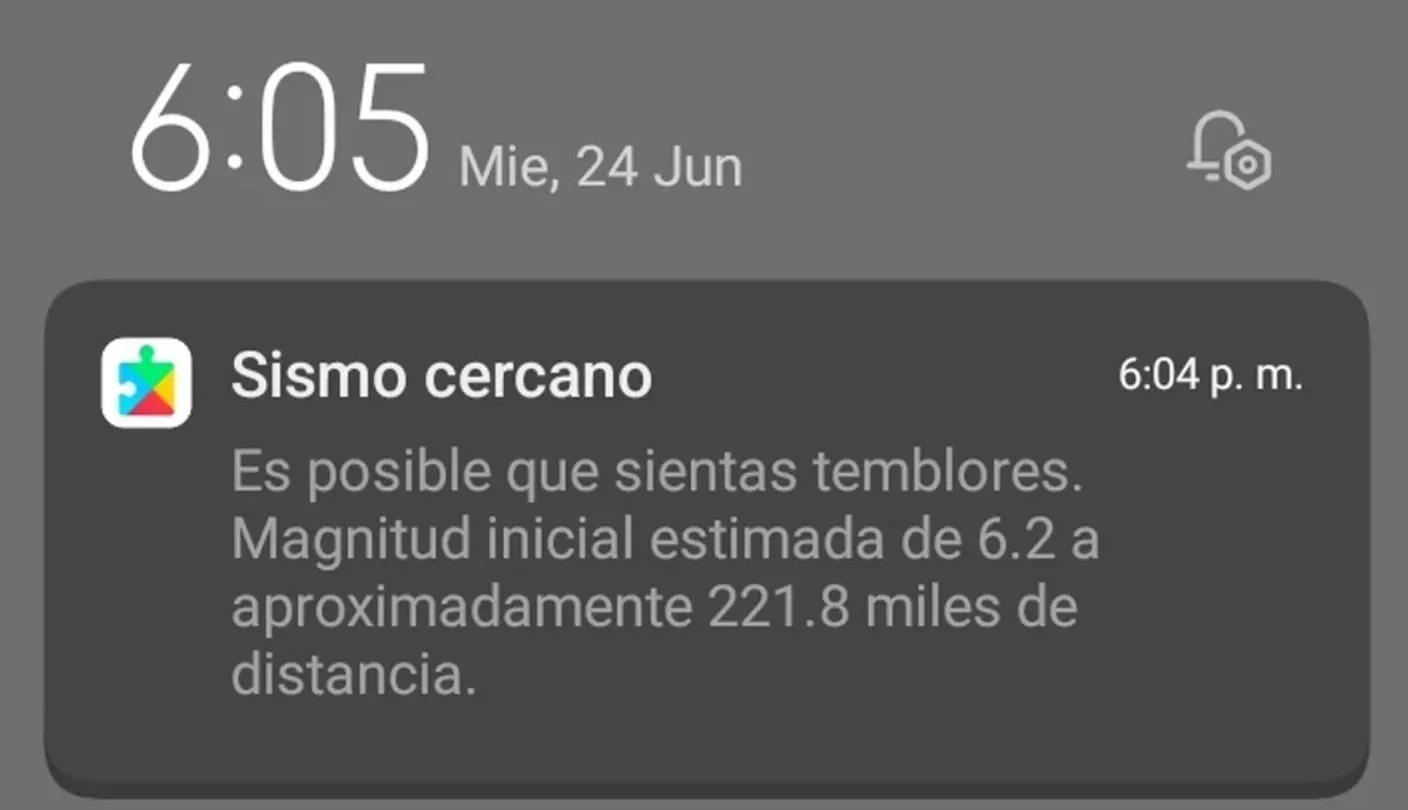
Thousands of users shared screenshots on social media showing how their phones issued warnings seconds before the most violent movements began. The feature, incorporated by Google since 2020, uses millions of smartphones distributed around the world to detect seismic activity and warn the population in advance.
The tremors recorded in Venezuelan territory generated a huge impact due to the magnitude of the event and the speed with which the system was able to issue alerts.
How Google detects earthquakes before they occur
Although it may seem to many that Google "predicts" earthquakes, the system is actually based on physical principles and the vast network of Android phones connected to the internet.
Each Android smartphone incorporates accelerometers, small sensors capable of detecting movements and vibrations with great precision.
When thousands of devices located in the same area simultaneously register a vibration with characteristics compatible with an earthquake, the information is automatically sent to Google's servers.
Based on that data, algorithms determine whether it is a real seismic event and calculate its possible intensity and trajectory.
The difference between the seismic waves that the system takes advantage of
Earthquakes generate different types of waves.
On one hand, there are primary waves or P waves, which travel at high speed and usually cause mild vibrations. On the other hand, there are secondary waves or S waves, which are slower but much more destructive.
The key to the system lies in the fact that phones can detect P waves before S waves arrive.
While digital information travels almost instantaneously over the internet, seismic waves advance at just a few kilometers per second.
This difference allows Google to send a warning to the population with seconds or even minutes of advance notice, depending on the distance to the epicenter.