A federal deployment was carried out, with advanced technology and unified forces to curb drug trafficking on the waterway
Compartir:
The National Government has launched the Paraná Plan, a federal strategy aimed at regaining control of the Paraná–Paraguay Waterway and halting the advance of drug trafficking, smuggling, and human trafficking in the country's most strategic river corridor.
The implementation was made official through Resolution 1307/2025, published in the Official Gazette, and marks a structural change in the security policy of the coastal region.
Se oficializó la puesta en marcha del Plan Paraná
The Ministry of Security described the measure as a decisive step to confront transnational criminal networks that for years have taken advantage of weak controls and the vastness of the river territory to operate with impunity.
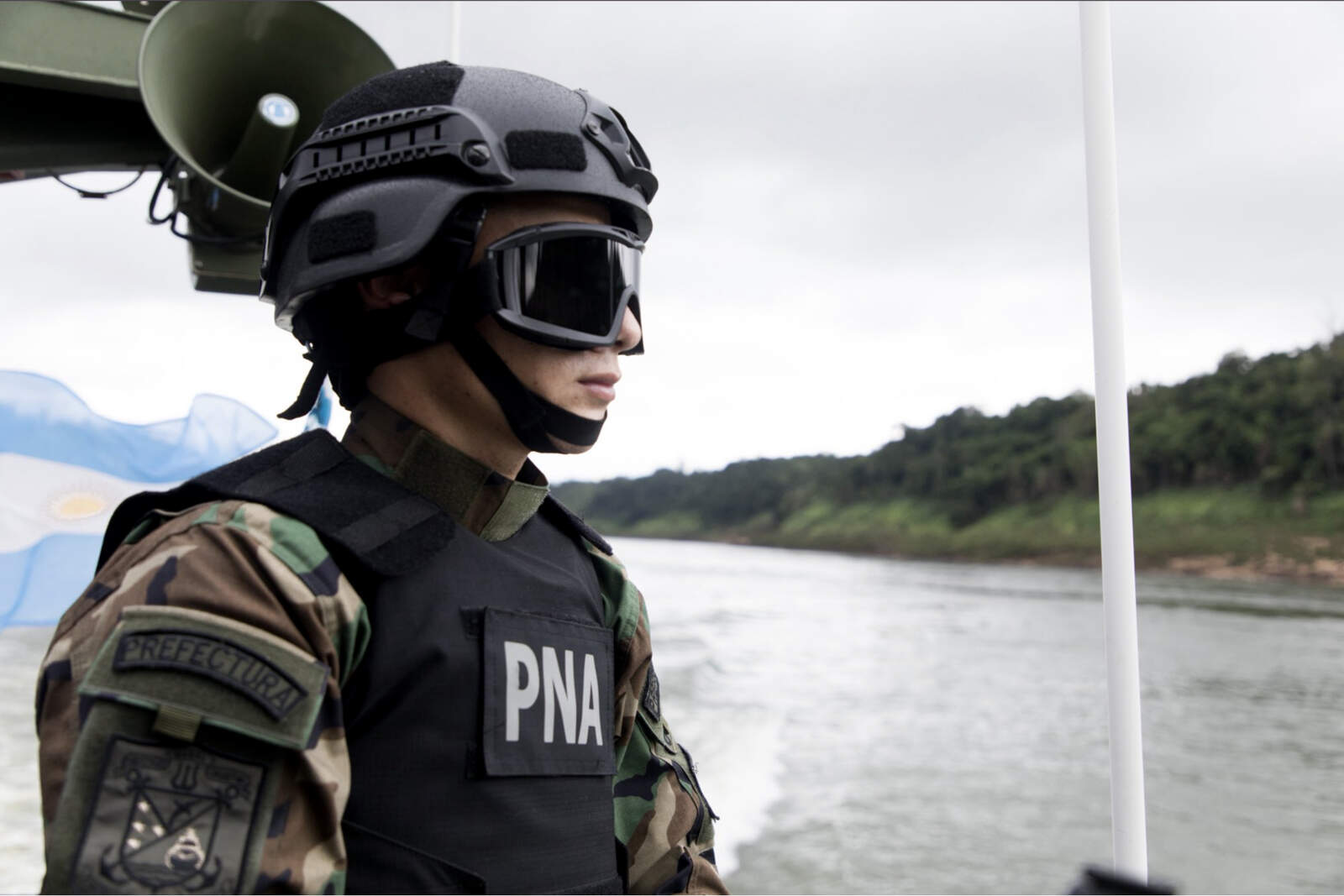
The launch of the plan seeks to reestablish an active state presence, with modern technology, criminal intelligence, and permanent territorial deployment.
"The waterway will not be a highway for organized crime"
The spirit of the initiative was reflected in the official message released by the Ministry of Security: "We are launching a federal strategy to shield the Paraná Waterway: technology, intelligence, and territorial deployment to stop drug trafficking and organized crime in the country's most important river corridor."
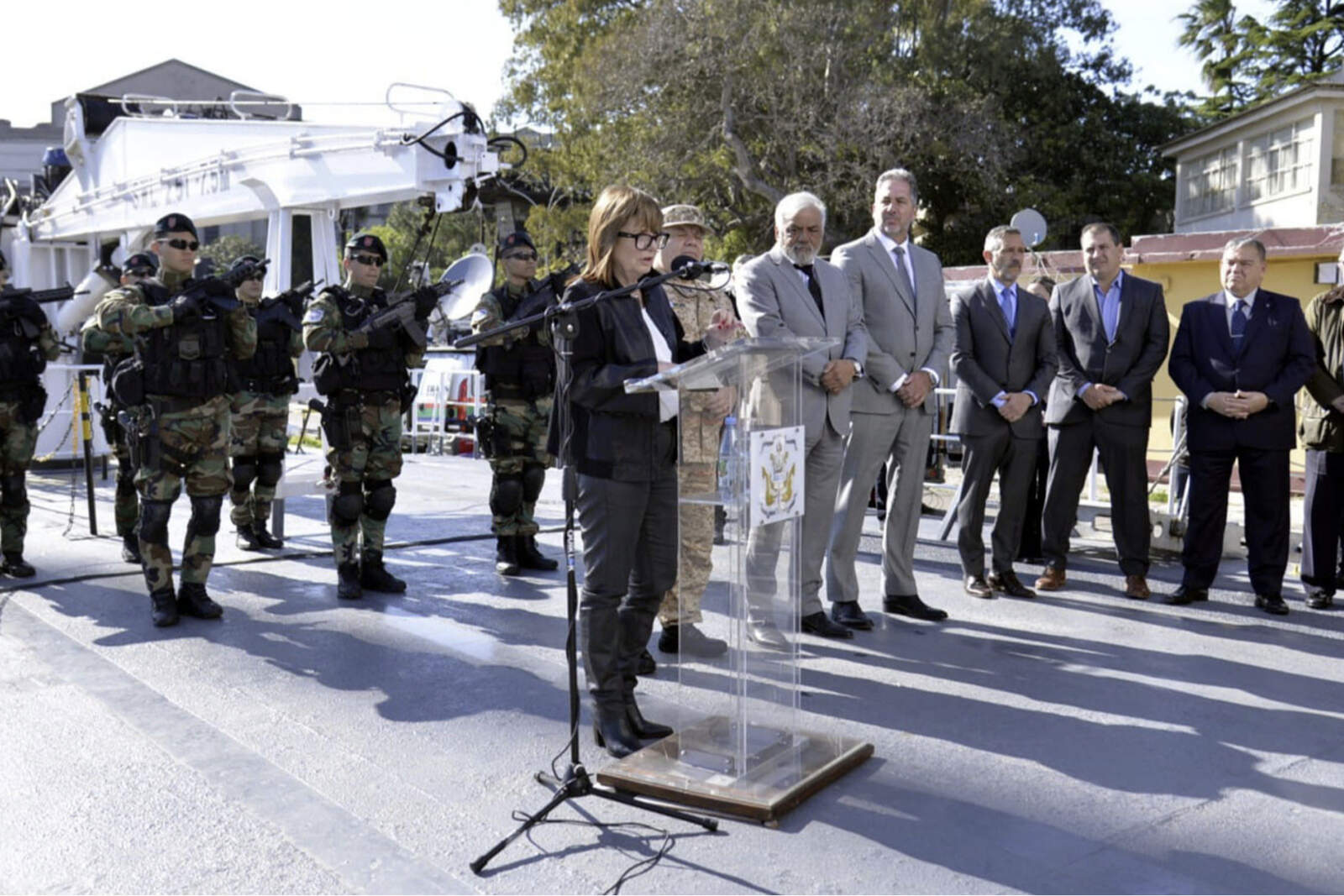
Patricia Bullrich anunció el operativo en comunicación directa con las provincias involucradas
The ministry detailed that Patricia Bullrichpresented the operation in direct communication with the Ministers of Security of Chaco and Corrientes, together with the National Security Secretariat, the heads of the federal forces, and the personnel who will participate in the first stage of the deployment.
A key corridor for trade
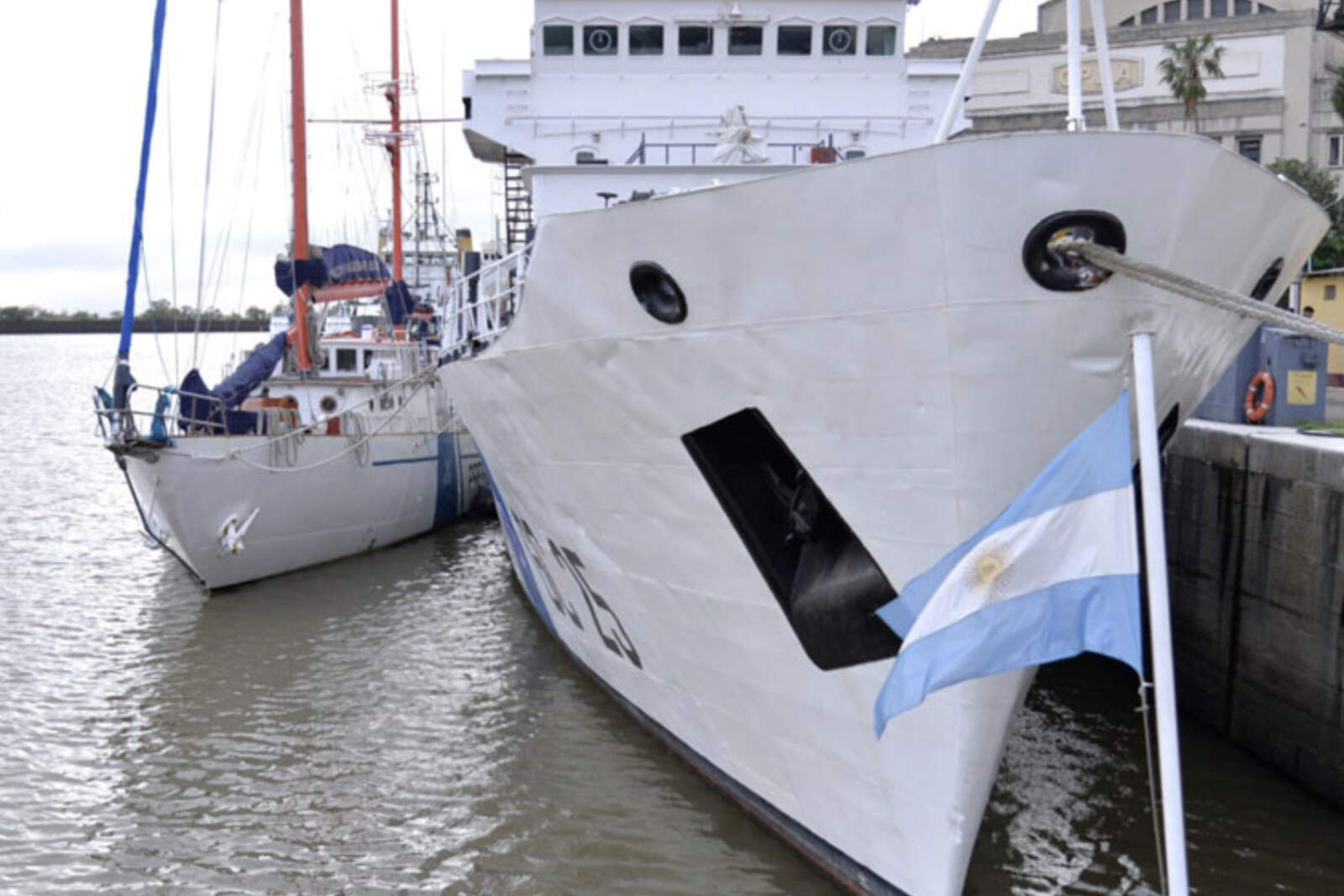
The Paraná–Paraguay Waterway is a strategic route connecting the ports of Asunción and Buenos Aires, with a flow of up to 300 barges per day.
Its logistical importance has also made it a prime target for groups dedicated to drug trafficking, smuggling, and human trafficking. The large number of public and private ports, the distances, and the historical lack of adequate technology have facilitated the establishment of these networks.
The Paraná Plan incorporates long-range radars, drones with night vision, thermal cameras, container scanners, and real-time monitoring systems.
It also coordinates information with international organizations such as the European Union Drugs Agency (EUDA), UNODC, the Inter-American Drug Abuse Control Commission, and the United States DEA. This cooperation will allow for more precise tracking of vessels, suspicious movements, and regional criminal patterns.
Un corredor clave para el comercio que vuelve a tener seguridad
Six intervention zones and continuous federal presence
The strategy is organized into six operational polygons that cross the provinces of Chaco, Formosa, Corrientes, Misiones, Entre Ríos, Santa Fe, and Buenos Aires. The deployment covers the area from Puerto Bermejo to San Nicolás and Paraná Guazú.
Each section will have specific teams, constant coordination, and the possibility of adding new points according to the evolution of criminal activity.
Overall leadership will be the responsibility of the National Security Secretariat, while the Naval Prefecture will appoint the operational head of the new Unified Command "Paraná Plan," which will include the Argentine Federal Police, Gendarmerie, Prefecture, PSA, and provincial police forces.
Javier Milei y Patricia Bullrich.
A new paradigm in coastal security
The Government keeps that the Paraná Plan is a key tool to shield the river border, prevent the advance of drug trafficking, and ensure that the corridor is no longer used by criminal organizations.
With more technology, international cooperation, and sustained federal presence, the goal is to regain control over one of the country's strategic routes.