A concession for 30 years is contemplated along with the sale of 100% of HEMSA. The operator must rehabilitate the plants affected by the flood of 2025, modernize the facilities, and invest to recover the generation capacity
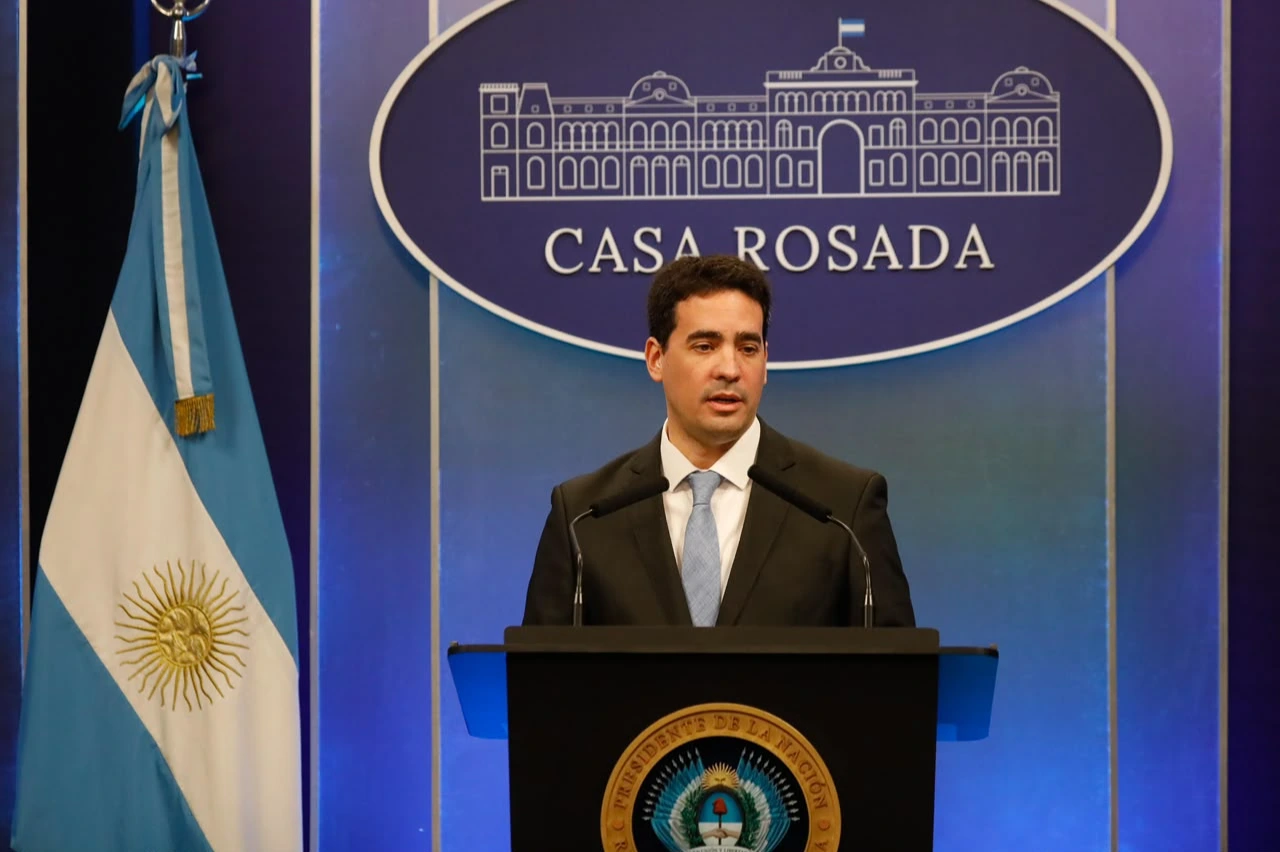
The Government of Javier Milei officially announced this Tuesday, through the OfficialBulletin, the launch of an international tender to transfer the Los Nihuiles Hydroelectric System to the private sector.
This measure is not an isolated event, but rather represents the beginning of the "second round" of the ambitious energy privatization plan promoted by the Minister of Economy, Luis Caputo, who "aims to raise up to USD 2.3 billion between what remains of 2026 and 2027" to consolidate fiscal balance.
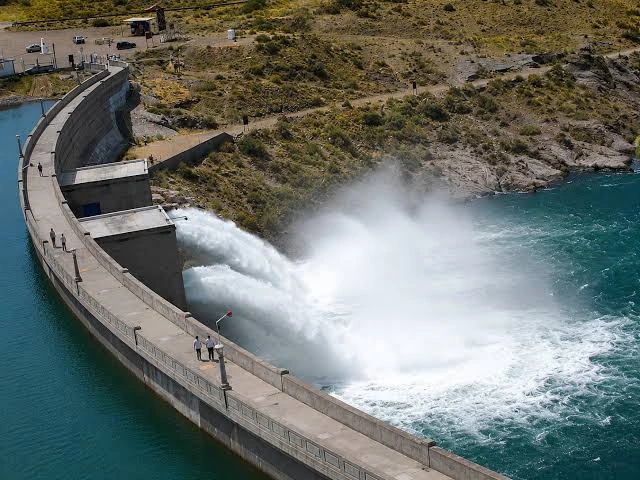
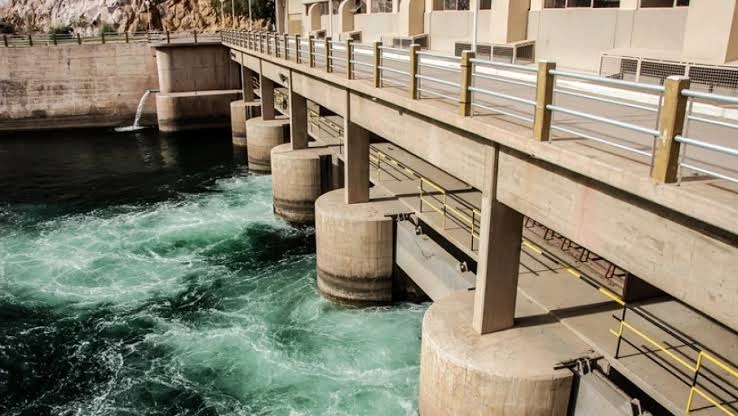
Los Nihuiles Hydroelectric Complex
The reprivatization scheme designed by the administration of Javier Milei is comprehensive and transparent, processed through the Contrat.Ar platform.
The process includes two fundamental axes that must necessarily fall under a single bidder: the granting of a new 30-year concession and the sale of 100% of the share package of Hidroelectricidad Mendocina S.A. (HEMSA). It is important to highlight that HEMSA is the provincial company created in 2025 to manage these assets after the expiration of contracts inherited from the 90s.
Regarding the technical situation of the complex, the influx of private capital is an urgent necessity to reverse the consequences of the lack of state foresight. Currently, the system, which has an installed capacity close to 290 MW, is partially inoperative.
In January 2025, a flood with a flow of 1,200 cubic meters per second impacted the Atuel River, flooding the Nihuil II and III plants, which "remain out of service to this day".
The new private operator will be responsible for "executing the necessary investments to rehabilitate the affected equipment, modernize the facilities, recover generation capacity, and increase the reliability of the complex", including the regeneration of the turbines.
The hydroelectric complex consists of large-scale infrastructure that includes three dams (El Nihuil, Aisol, and Tierras Blancas), the compensating dam Valle Grande, and four generating plants that feed renewable energy into the Argentine Interconnection System (SADI).
Los Nihuiles Hydroelectric Complex
Until now, the operator has been Hidroeléctrica Los Nihuiles S.A. (HINISA), where the holding Pampa Energía, led by businessman Marcelo Mindlin, holds a direct stake of 52 percent. Starting this week, HEMSA will take over the transitional operation until the new awardee takes possession, a process that has a deadline of December 31, 2026.
From a macroeconomic perspective, the success of this process already has positive precedents during the current administration. The first stage of privatizations concluded in December 2025 with the transfer of the Comahue complexes (Alicurá, El Chocón, Piedra del Águila, and Cerros Colorados) to firms such as Edison Inversiones, BML Inversora, and Central Puerto, achieving a fee of USD 706.8 million and investment commitments of USD 400 million additional.
Milei and Caputo
Looking ahead, the horizon of economic freedom is clear. The Ministry of Economy projects revenues from privatizations of USD 800 million for 2026 and another USD 1.5 billion for 2027. On the agenda for the coming months are other complexes with expired concessions such as Futaleufú (Chubut), Ullum (San Juan), Cabra Corral (Salta), and El Cadillal (Tucumán), adding a total capacity of 1,399 MW to the transformation process.
Furthermore, the Government plan will extend to companies such as AySA, Belgrano Cargas, Intercargo, Nucleoeléctrica Argentina S.A. (NASA), YCRT, SOFSA, and thermal power plants of Enarsa, demonstrating an unwavering commitment to efficiency and the withdrawal of the State from activities it should never have controlled