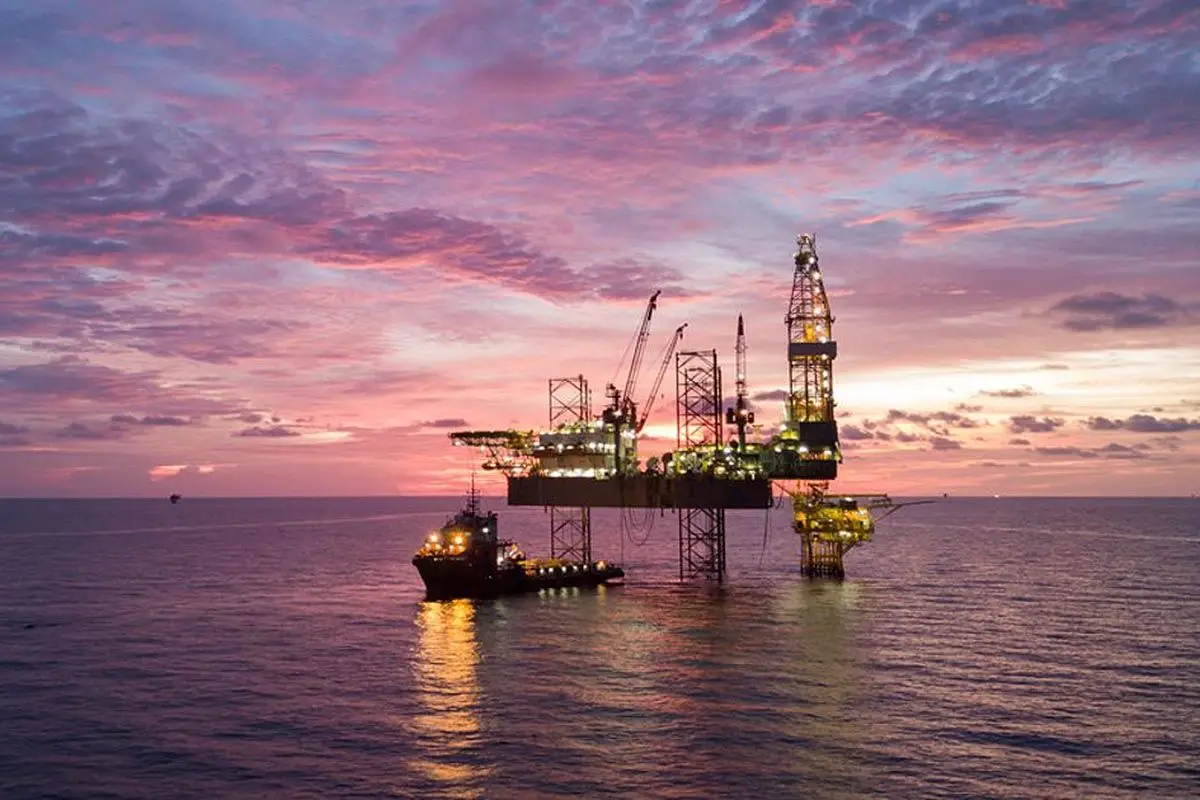
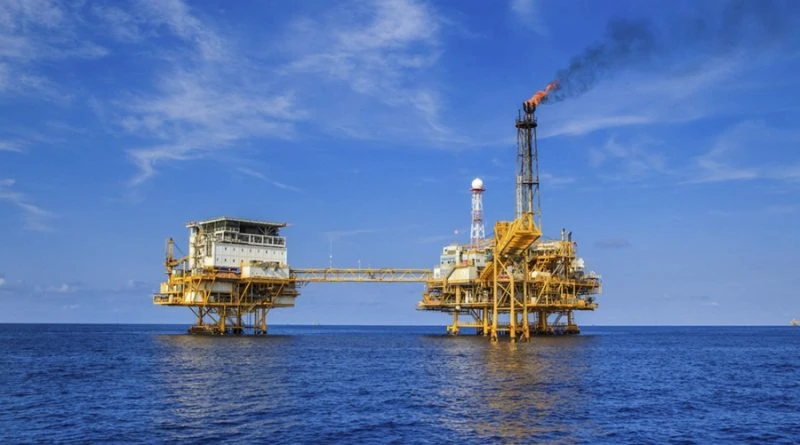
The most recent precedent yielded an adverse result. In 2024, Equinor drilled alongside YPF and Shell the Argerich-1 well, in the CAN-100 block, off Mar del Plata. Although the operation confirmed part of the geological model, it did not find clear signs of hydrocarbons, and the well was considered dry.
The failure of a drilling, however, does not rule out the potential of the entire basin. The CAN_200 area is located further north and is part of a zone that oil companies compare to the African Atlantic margin. The hypothesis is supported by the fact that South America and Africa were joined over 100 million years ago and share similar geological formations.
Challenger Energy Group requested the opening, but it will have to compete with any bidding.
Discoveries made off Namibia have rekindled international interest in the South Atlantic basins. Sintana claims that its assets in Uruguay share similarities with its Namibian projects, where the company participates in various exploration licenses. Additionally, after acquiring Challenger, it incorporated stakes in the Uruguayan blocks OFF-1 and OFF-3.
The decree establishes that, in the event of commercial production, the concessionaire must pay royalties to the State. Furthermore, it enables international arbitration clauses to provide legal predictability to investors, without waiving execution immunity over the Central Bank's reserves, public assets, military assets, tax resources, or royalties.
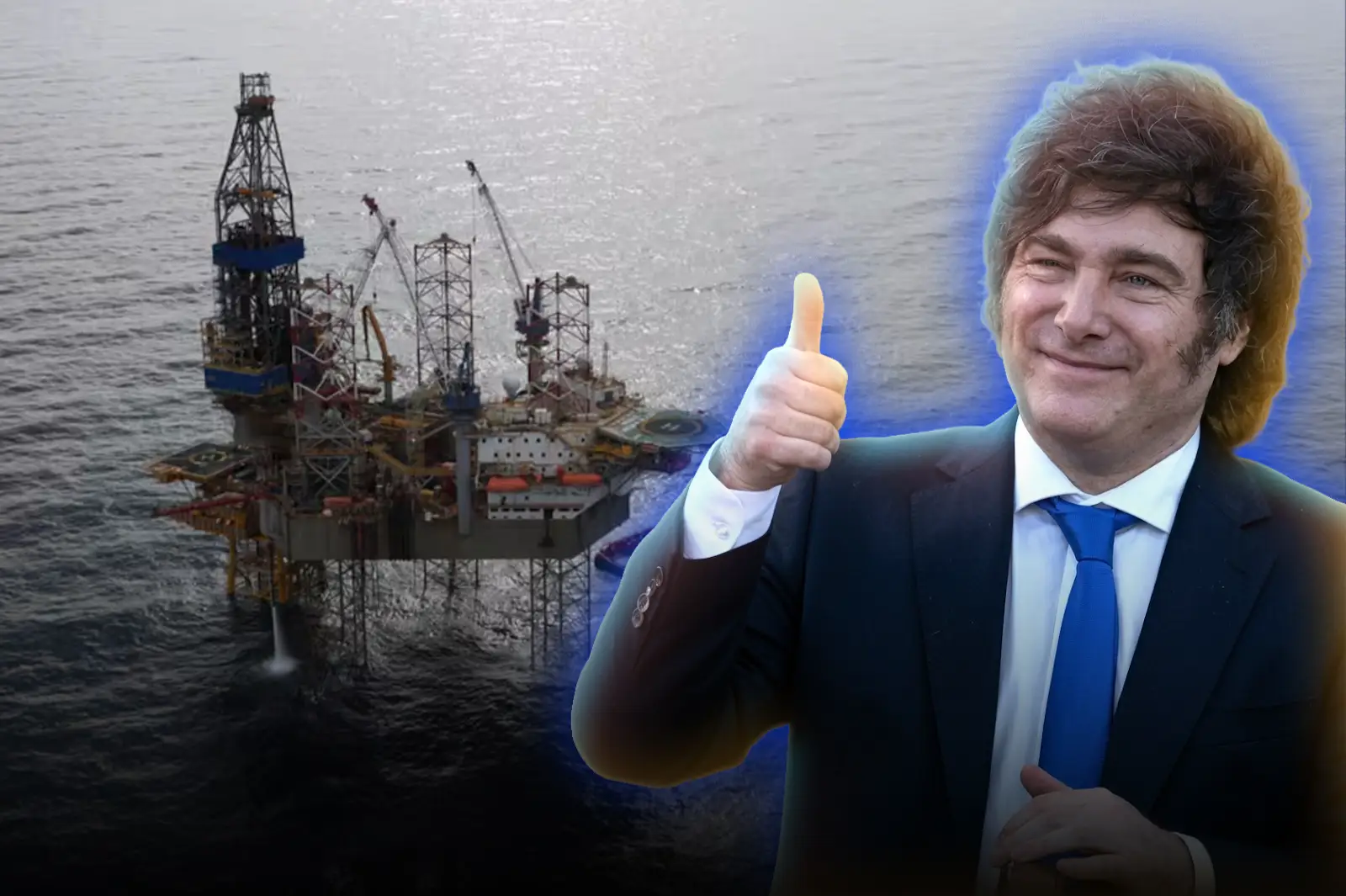
The Government of Javier Milei reactivated offshore oil exploration and ordered the calling of an international tender to search for hydrocarbons in the CAN_200 area, located off the coast of Buenos Aires, at the height of San Clemente del Tuyú. The block comprises approximately 5,000 square kilometers within the Northern Argentine Basin.
The decision was formalized through Decree 590/2026, published this Wednesday in the Official Bulletin. The regulation instructed the Secretariat of Energy, under the Ministry of Economy, to prepare the terms of reference and initiate the competition to award an exploration permit. It also delegated to that ministry the eventual exploitation concession if the studies yield positive results.
Offshore oil exploitation
The process arose after an expression of interest submitted in February 2025 by Challenger Energy Group. The company, originally British and currently controlled by the Canadian Sintana Energy, has exploratory positions in Uruguay and experience in other South Atlantic markets. However, the block will not be awarded directly: the company must compete with any other group that meets the required technical and financial capacity.
The call will be the first of its kind since the offshore round launched in 2018. With the reopening, the Government seeks to attract private capital, technology, and specialized equipment to expand the geological knowledge of the Argentine continental shelf, an activity that requires millions in investments and assumes a high exploratory risk.