The declassification of historical archives announced yesterday by the Government of Javier Milei brought to light documents that show how, during 1973, in the context of the return of Peronism to power and left-wing terrorism, ideological control mechanisms were implemented from the
State.
According to material released by SIDE, the government of Juan Domingo Perón made progress in identifying and classifying individuals linked to Marxism within the public administration, universities and different spheres of society.
Among the documents, the creation of an advisory commission during the provisional presidency of Raúl Lastiri stands out, whose objective was to investigate “the Marxist ideological background of people, entities, organizations, physical or of ideal existence, publications and media”.
This measure was implemented despite the fact that the previous government of Héctor Cámpora, of the extreme left, had eliminated regulations with similar characteristics.
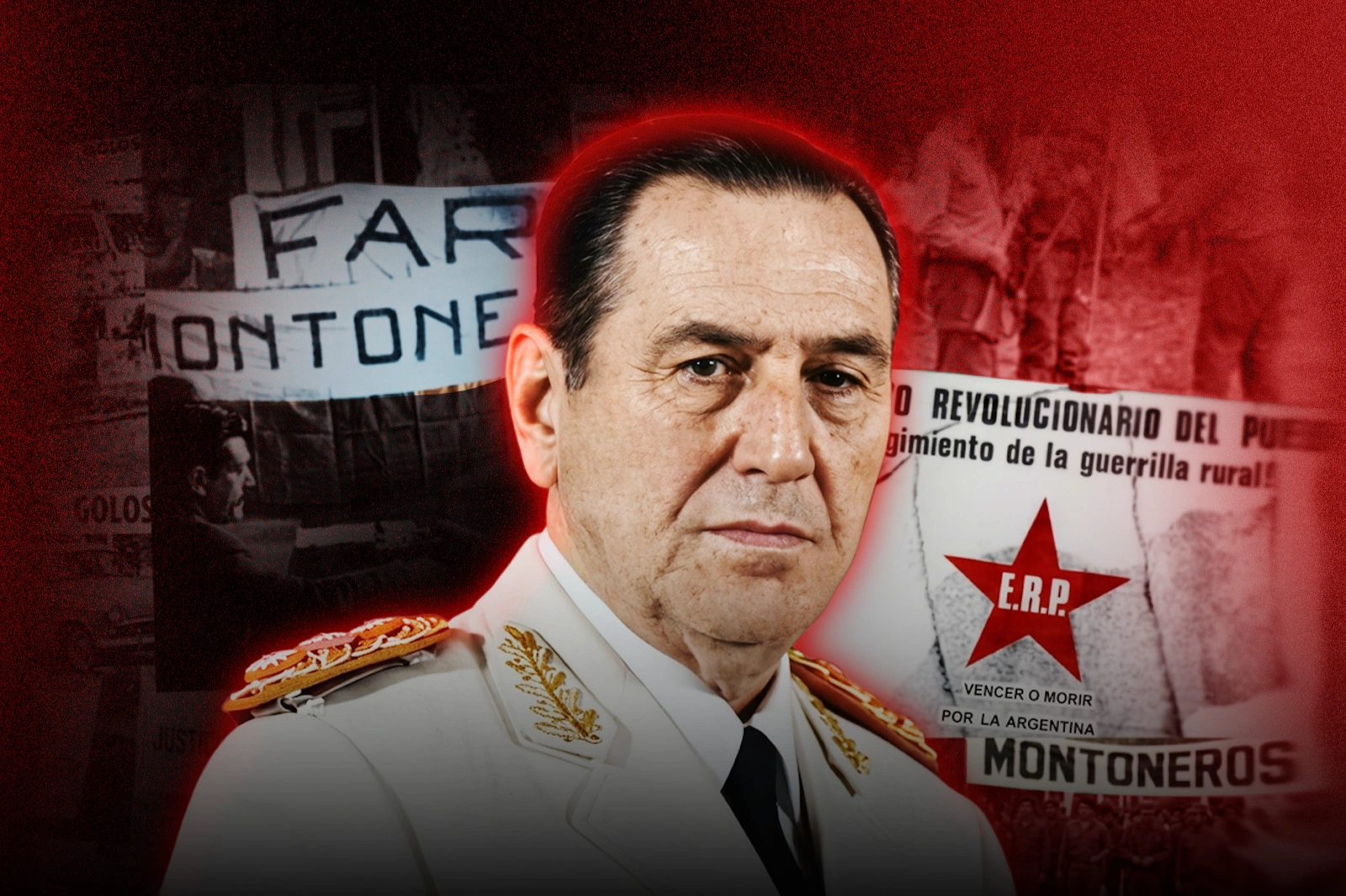
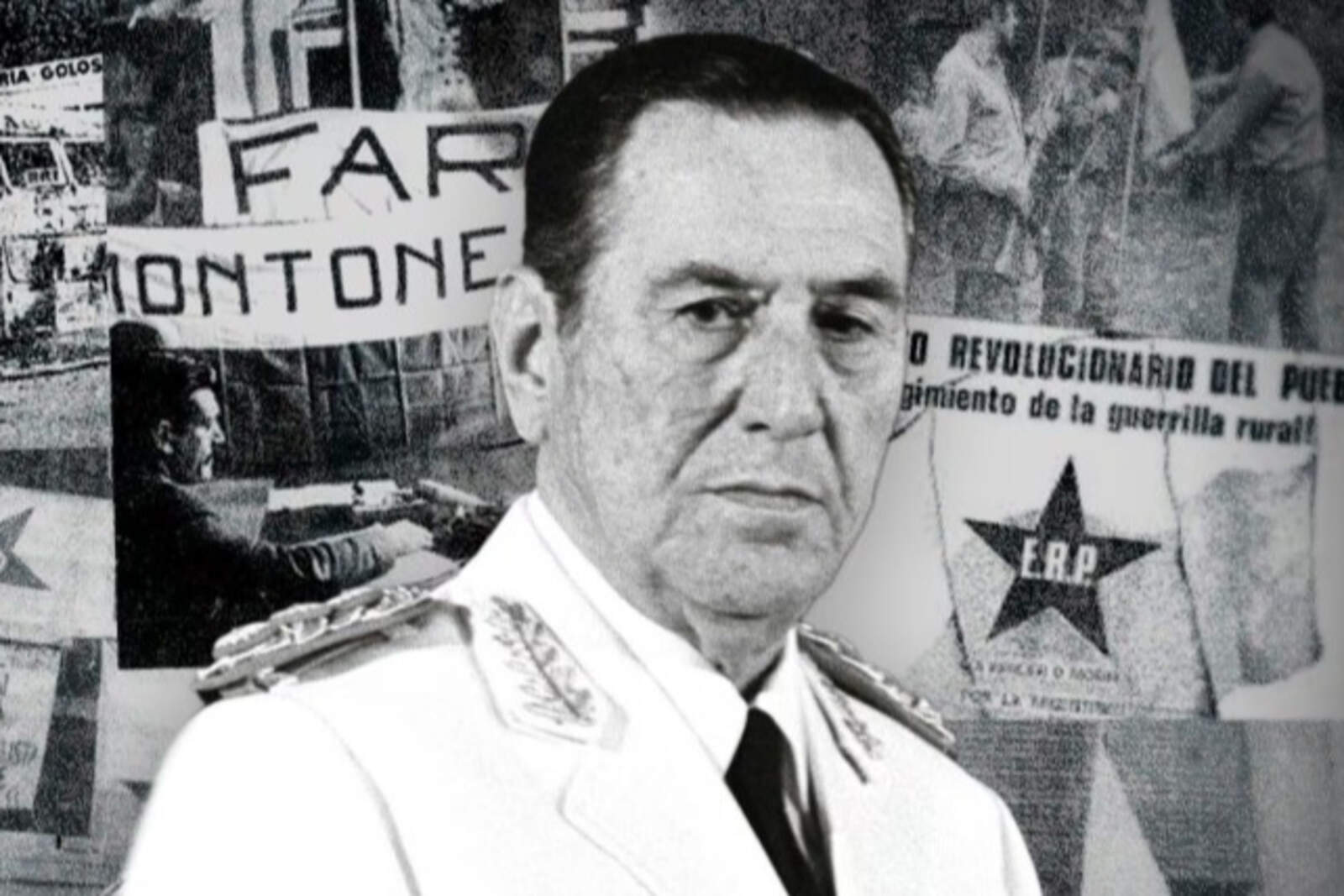
Juan Domingo Perón.
The classification of people
The system designed by SIDE established different categories to classify individuals. These included labels such as “no Marxist ideological background” or evaluations that indicated that “the background it records does not allow us to consider it unfavorably, from the
Marxist ideological point of view”.
It also contemplated cases where the background “is not sufficient to constitute an insurmountable element for their appointment, promotion and award of scholarships”, as well as situations in which it was considered “advisable not to enter or remain in the administration of the State”.
The documentation, published in a compilation of 26 official files covering 492 pages, also reveals that these actions were not limited to gathering information, but were complemented by “psychological action” strategies aimed at media, universities and other institutions.
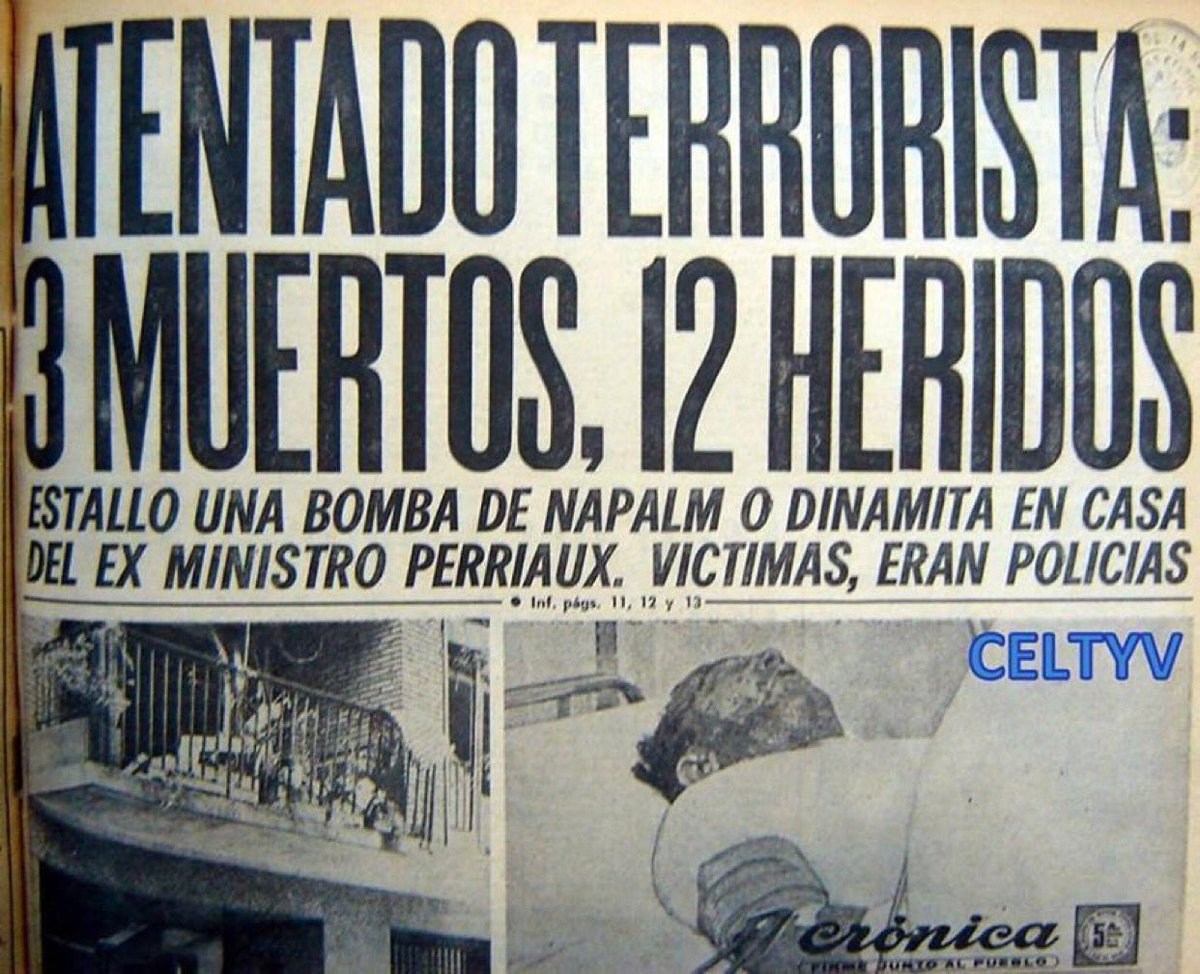
Terrorist attack by the left.
The intelligence scheme involved multiple organisms. According to secret document 283, the advisory commission included the State Information Secretariat, Intelligence Battalion 601, Naval Intelligence Service, Headquarters II and the Federal Security Superintendency. In turn, there were also areas of the National Gendarmerie, the Prefecture and the Police of the Province of Buenos Aires
.
The context of the time, marked by the activity of left-wing terrorist organizations such as Montoneros and the People's Revolutionary Army, together with the international scene of the Cold War, appears as a framework in which these policies of ideological control were developed.
The files also show that this system continued and was deepened during the subsequent dictatorship, which expanded the categories of classification of people, including definitions such as “sympathizer, adherent, contributor, concealer, collaborator, affiliate, agitator, activist or ideological or tactical leader”.
Another declassified document, dated 1976, states that “the mission of SIDE is informational and not operational”, indicating that its role consisted of gathering information and collaborating with the Armed Forces, while the latter were responsible for repressive tasks.