
Anti-hail meshes.
Highly genetic self-moving goods.
Works directly linked to productive activity.
In addition, projects related to renewable energy and energy efficiency are incorporated, reinforcing the program's modern profile.

The national government regulated RIMI, a new regime that seeks to promote medium-scale investments, generate employment and strengthen productive development.
Anti-hail meshes.
Highly genetic self-moving goods.
Works directly linked to productive activity.
In addition, projects related to renewable energy and energy efficiency are incorporated, reinforcing the program's modern profile.






The national Government moved forward with the regulation of the Incentive Regime for Medium Investments (RIMI), a key initiative to energize the economy, strengthen the productive fabric and generate employment throughout the country.
The measure was made official through decree 242/2026, published in the Official Gazette, and marks a new step in the economic strategy of Javier Milei's management, aimed at attracting investment and boosting private sector growth.
RIMI aims to promote medium-scale investments in strategic sectors, with the objective of improving competitiveness, increasing exports and consolidating the sustained growth of the
Argentine economy.Unlike other programs, the regime is designed to facilitate the access of local and foreign companies to concrete benefits, encouraging the development of new productive activities.
The scheme includes tax incentives for investments related to: Capital
assets.
Technology and innovation.
Productive infrastructure.
Energy efficiency.

One of the central axes of RIMI is its focus on small and medium-sized enterprises, which can access benefits as long as they prove their formal status with the
ARCA.Non-profit entities that meet the requirements established by the regulations may also participate.
The objective is clear: to provide concrete tools so that SMEs can invest, grow and generate employment in a context of economic recovery.
The regime establishes that only new investments destined for production, excluding financial or speculative assets, will be considered
.The main investments contemplated include:
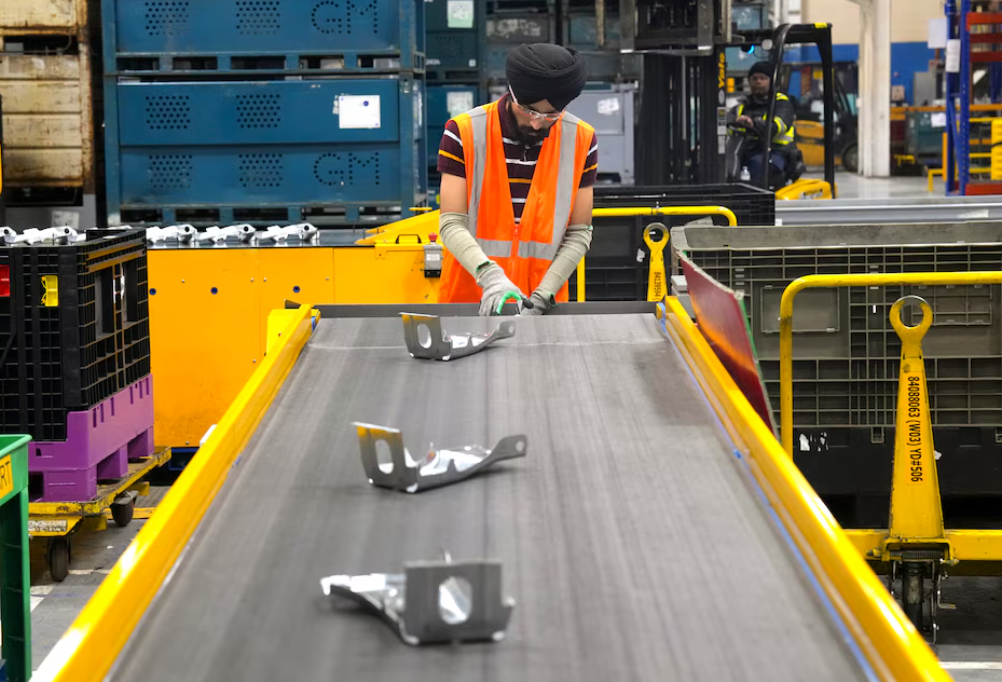
Productive and technological equipment
Agricultural irrigation systems.
To access benefits, investments must meet a series of conditions:
They mustbe new and amortizable in the Income Tax
Reach a minimum amount within two years.
Be free of enforceable tax debts.
Be intended for the production of goods or services.
In the case of works, only those that do not exceed 30% in advance at the time of entry into force of the regime will be admitted.
The RIMI also includes specific benefits such as the VAT refund for productive investments, with an annual quota and allocation criteria according to the magnitude and age of the
investments made.These incentives seek to improve the profitability of projects and accelerate decision-making by investors.
The RIMI regulation is interpreted as a direct signal from the Government to the private sector, reaffirming its commitment to an economic model based on investment, production and employment generation
.In line with other measures such as RIGI, the Executive seeks to consolidate a framework of clear rules that encourage the arrival of capital and strengthen economic growth.
With the launch of RIMI, Javier Milei's administration adds a new tool to underpin productive development, especially in sectors that require medium-sized investments
to expand.The challenge now will be the effective implementation of the regime and its capacity to translate into real investments that impact the economy and the generation of employment throughout the country.



