
The Fordow uranium enrichment plant, located about 295 feet (90 meters) underground inside a mountain near Qom, in northern Iran, has become the main point of strategic concern for the United States and Israel amid rising tensions in the Middle East.
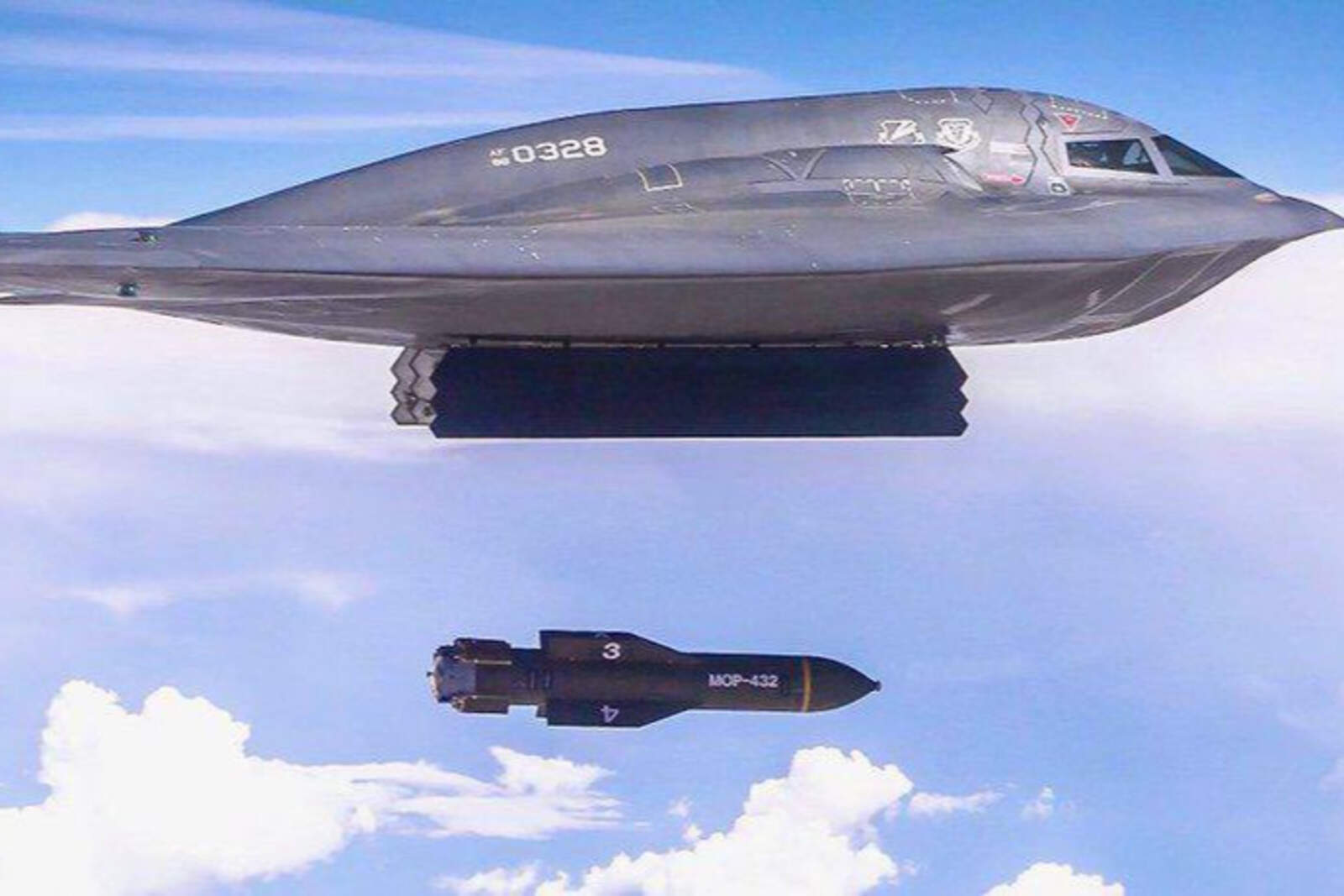
According to a report, the president of the United States, Donald Trump, has expressed serious doubts about the effectiveness of the most powerful non-nuclear weapon in the U.S. arsenal, the GBU-57A/B MOP (Massive Ordnance Penetrator), commonly known as the "bunker buster," to completely destroy the Iranian underground facility.
The GBU-57, a 29,982-pound (13.6-ton) bomb designed to penetrate deep structures, is the main military option currently being considered for a potential attack. Trump has consulted with military advisers on whether this bomb would be sufficient to neutralize Fordow.

Although Pentagon officials have assured the president that the bomb is capable of destroying the facility, Trump doesn't seem entirely convinced. "It's not a matter of capability. We have the capability. But this is not simply dropping a bomb and declaring victory," commented a senior U.S. official.
According to sources from the Department of Defense, the effectiveness of the GBU-57 has been a subject of debate since the beginning of Trump's term. Some experts suggest that only a tactical nuclear weapon could guarantee the total destruction of Fordow, given the depth and fortification of the plant.
However, Trump doesn't consider using nuclear weaponry, and this option was not even presented by the Secretary of Defense, Pete Hegseth, nor by the Chairman of the Joint Chiefs of Staff, General Dan Caine.
Internal Pentagon assessments, particularly from the Defense Threat Reduction Agency (DTRA), conclude that even with several GBU-57 bombs, it would be difficult to penetrate deeply enough to completely destroy the facility.

The most feasible conventional option would consist of a combination of attacks to "soften" the ground, followed by direct impacts with the MOPs. Even so, the expected damage could be limited to the collapse of tunnels and the burial of structures, without completely dismantling Iran's enrichment capability.