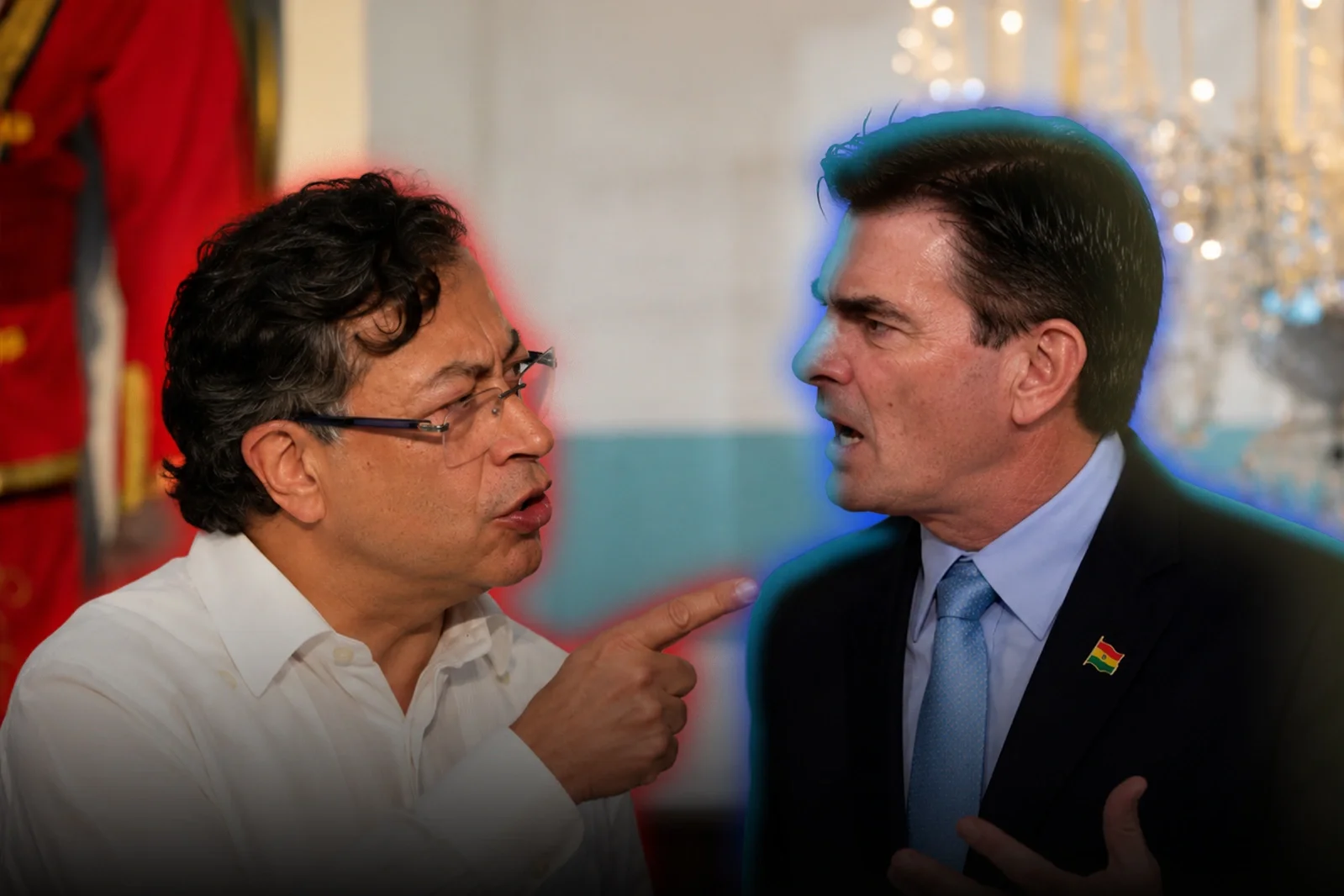
The diplomatic tension between Colombia and Bolivia escalated this Wednesday after the government of Gustavo Petro expelled the head of the Bolivian embassy in Bogotá, Ariel Percy Molina Pimentel, in direct response to La Paz's previous decision to expel Colombian ambassador Elizabeth García.
The measure was officially announced by the Colombian Foreign Ministry under the principle of “diplomatic reciprocity,” invoking Article 9 of the Vienna Convention on Diplomatic Relations of 1961. The Colombian government clarified that it does not intend to break relations with Bolivia, although the episode marks one of the highest points of bilateral tension in recent years.
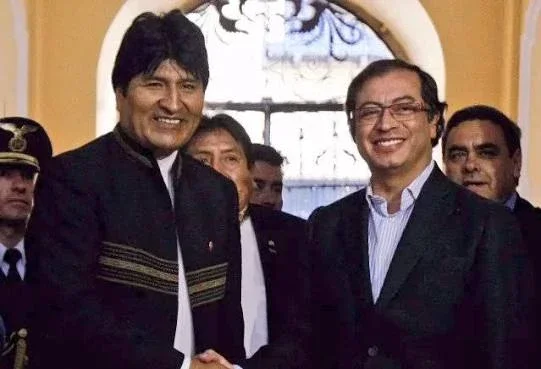
The former dictator Evo Morales alongside Gustavo Petro
The conflict began after Colombian President Gustavo Petro made posts and comments about the protests and disturbances that Bolivia has been experiencing since early May. Petro described the mobilizations as a “popular rebellion against neoliberalism” and questioned the existence of alleged “political prisoners,” statements that were interpreted by the Bolivian government as direct interference in the country’s internal affairs.
The administration of President Rodrigo Paz quickly responded by declaring the Colombian ambassador in Bolivia “persona non grata” and accused the Colombian president of indirectly encouraging protests driven by sectors aligned with Evo Morales. From La Paz, they maintain that the evismo seeks to destabilize the current constitutional government through blockades, disturbances, and street pressure to force Paz's early departure.
In response, Colombia expelled Ariel Percy Molina and issued a statement insisting that Bogotá “has no intention of interfering” in Bolivian internal politics. Nevertheless, the Colombian Foreign Ministry maintained a critical stance towards the response of Paz's government and reiterated its willingness to participate in potential political dialogue processes.
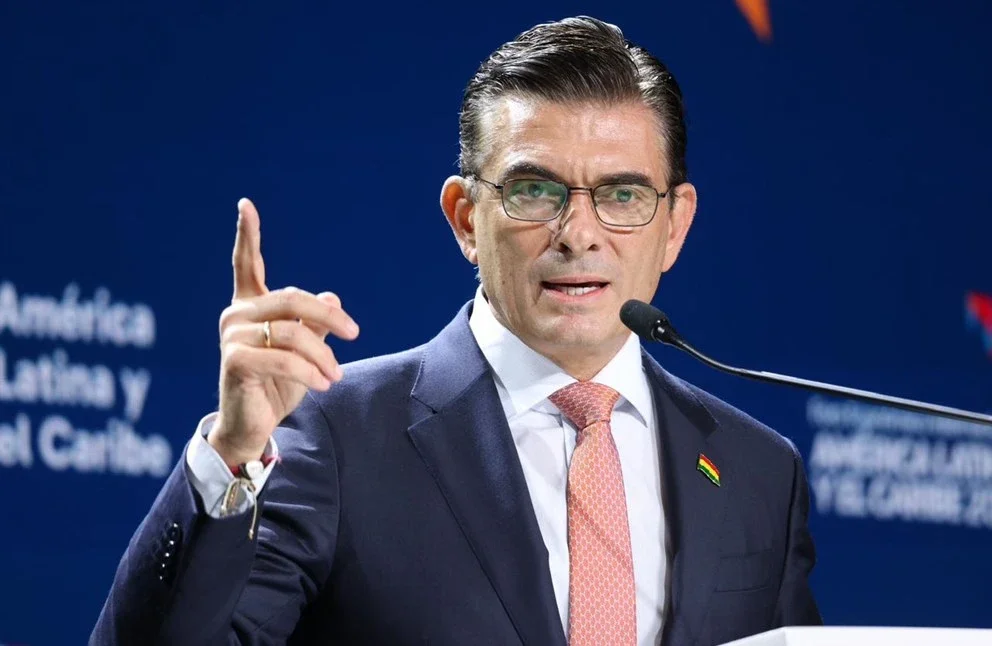
The Bolivian president Rodrigo Paz
The Bolivian crisis has already begun to generate regional repercussions. While Petro showed some sympathy towards the opposition protests against the former Bolivian dictator, governments such as the United States and Argentina expressed explicit support for President Rodrigo Paz and denounced attempts at destabilization driven by sectors close to Evo Morales.
The former Bolivian president remains in hiding in Chapare while facing legal cases and an arrest warrant. In recent days, he even issued direct threats against Rodrigo Paz and gave the government “90 days” to leave power, further deepening the internal political crisis.