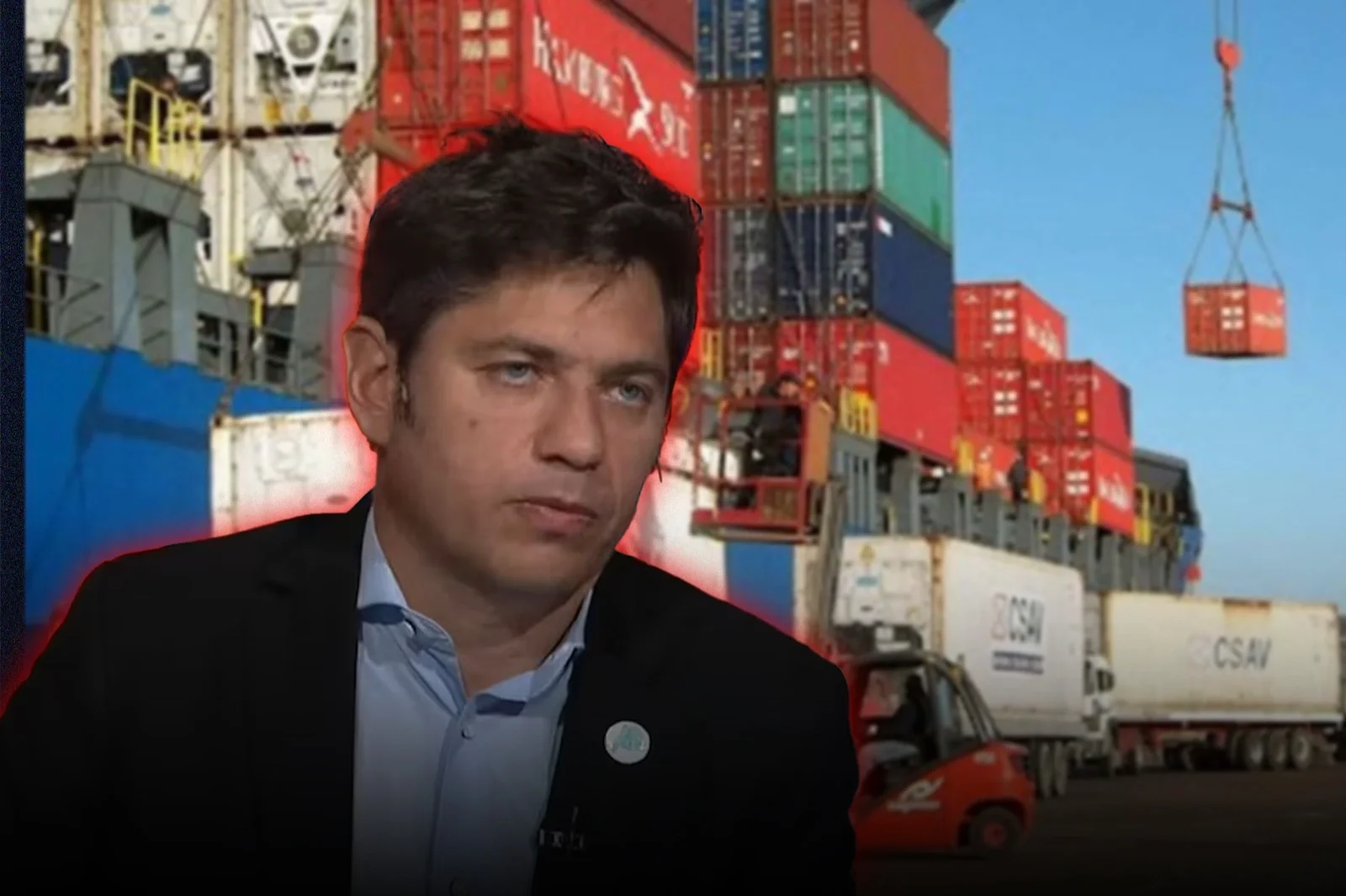

While much of Argentina begins to show concrete signs of economic recovery, the province of Buenos Aires is once again at the center of criticism for going in the opposite direction of the rest of the country. The latest report from INDEC confirmed that economic activity grew by 5.5% year-on-year in March and recorded a strong monthly increase of 3.5%, driven by the recovery of key sectors such as industry, agriculture, mining, and construction.
In the midst of this scenario, Axel Kicillof decided to deepen his confrontation with the Regime of Incentives for Large Investments (RIGI), one of the main bets of the Government of Javier Milei to attract capital and reactivate the economy. While various provinces are advancing to attract investments and join the new growth cycle, Buenos Aires remains lagging behind, with higher tax pressure, bureaucratic hurdles, and an economic model that increasingly shows signs of exhaustion.
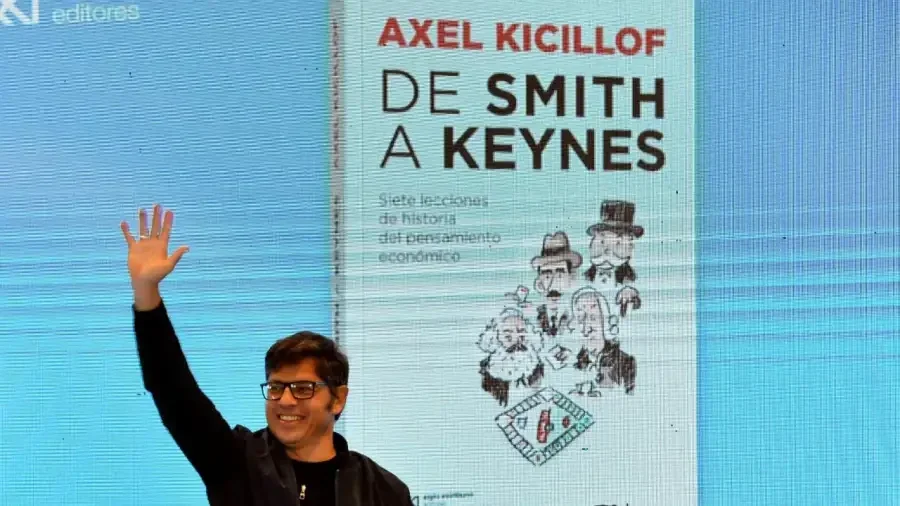
With fourteen of the fifteen sectors of the economy growing, the EMAE showed concrete signs of growth in key activities such as industry, mining, construction, commerce, and agriculture. Agriculture and livestock grew by 17.9%, mining climbed by 16.3%, and the manufacturing industry grew by 4.6%.
In this context, the situation in Buenos Aires is starting to differentiate itself more clearly from the rest of the country. The province governed by Kicillof continues to not adhere to the RIGI, maintains high tax pressure, and accumulates criticisms for the deterioration of essential services, insecurity, and bureaucratic obstacles that discourage private investments.