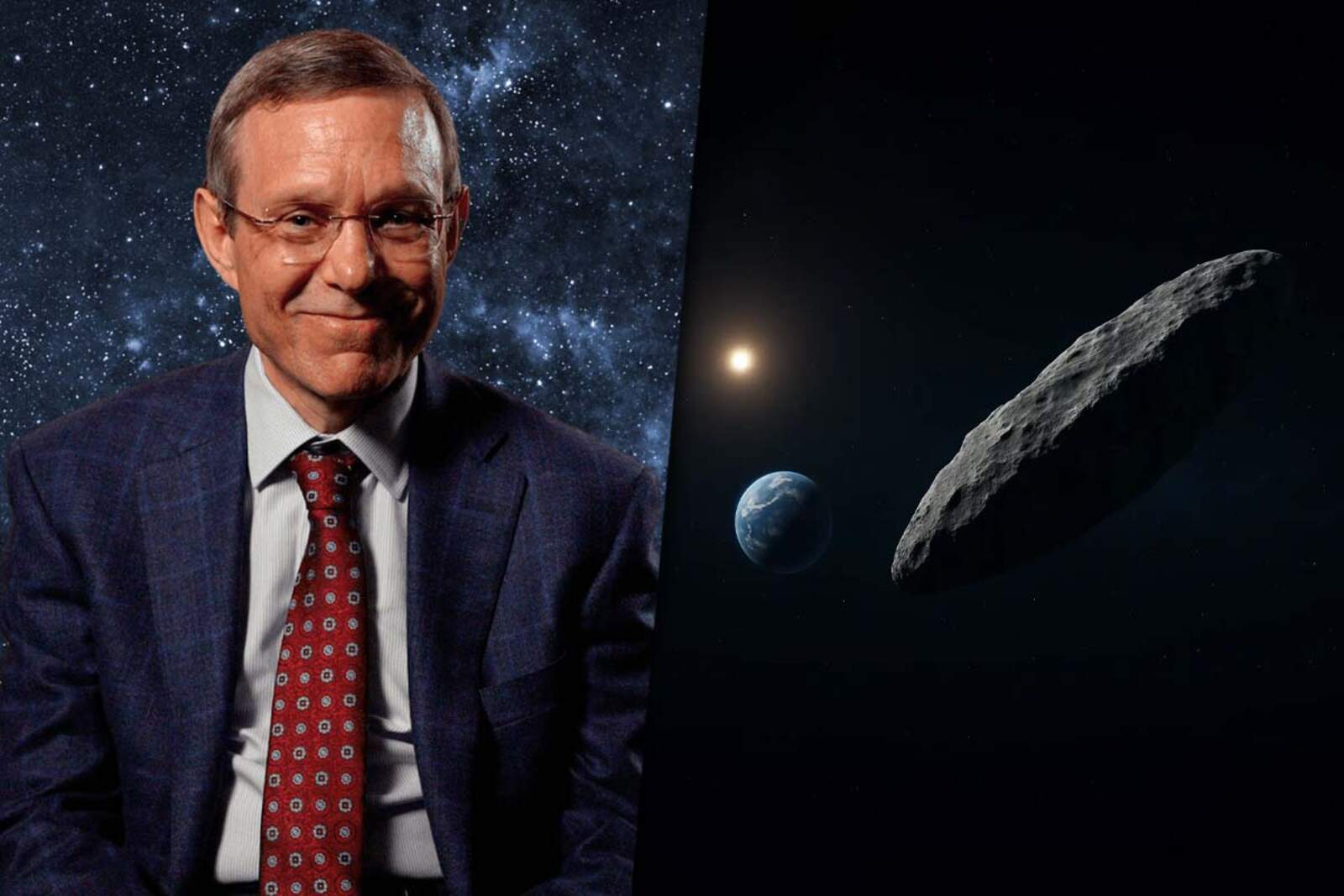
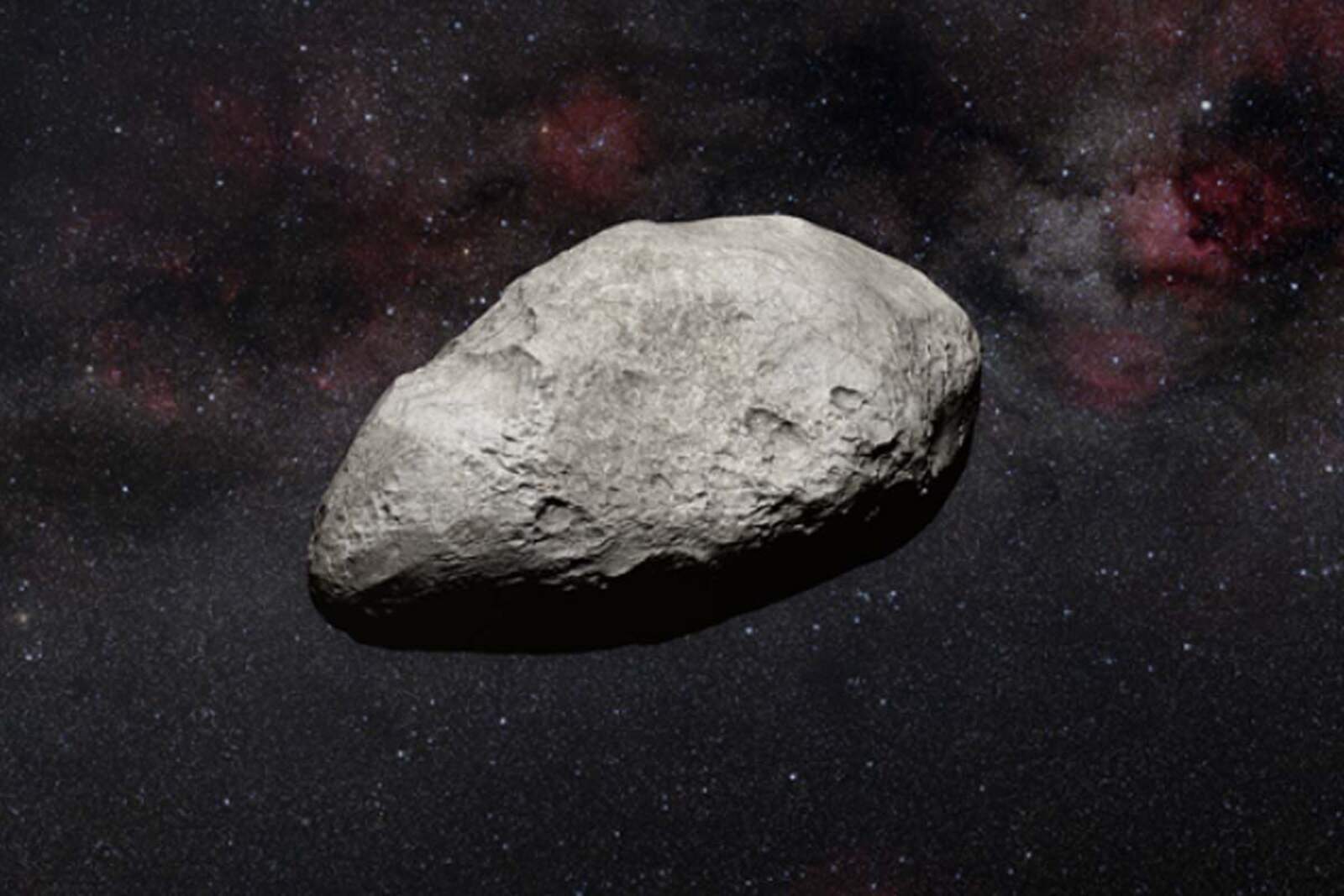
The renowned astrophysicist Avi Loeb from Harvard University has once again shaken the scientific community with a theory that borders on science fiction. According to his observations, the interstellar object 3I/ATLAS might not be a natural comet, but rather a spacecraft or artifact of extraterrestrial origin.
The researcher argues that this object exhibits physical and chemical anomalies that are impossible to explain with conventional models. The hypothesis has sparked a new wave of debate among astronomers, space agencies, and experts worldwide.
Avi Loeb
The "anomalies" that raise suspicions
According to Loeb, comet 3I/ATLAS displays unusual characteristics that could indicate an artificial design. Among them are:
Nearly perfect orbital alignment with the plane of the planets, something extremely rare in natural comets.
Emission of nickel tetracarbonyl, a compound that on Earth is only produced in industrial processes.
Frontal brightness and absence of a traditional tail, which suggest an internal energy source.
Speed exceeding 200,000 km/h (124,274 mph) and precise trajectory, as if it were performing deliberate maneuvers.
Atypical chemical composition, dominated by carbon dioxide and with very little presence of iron or water.
What NASA and the scientific community say
NASA and most astronomers maintain that 3I/ATLAS is a natural comet, although with striking peculiarities. The object was discovered in July 2025 from the ATLAS Observatory in Chile and is the third interstellar body detected in our solar system.
Its closest approach to the Sun is expected in October 2025. It will reach about 270 million kilometers (167,770,000 miles) from Earth, with no risk of impact. For many specialists, its rarity lies in its interstellar origin, not in an alleged artificial design.
El asteroide 33 Polyhymnia podría contener elementos químicos desconocidos en la Tierra
A hypothesis that continues to generate controversy
Loeb, however, insists that the object could be "non-natural technology". He asserts that the comet's "anomalies" warrant further investigation before dismissing it as a simple icy rock. "If it's not a comet, the world will know soon," the scientist warned in a recent interview.