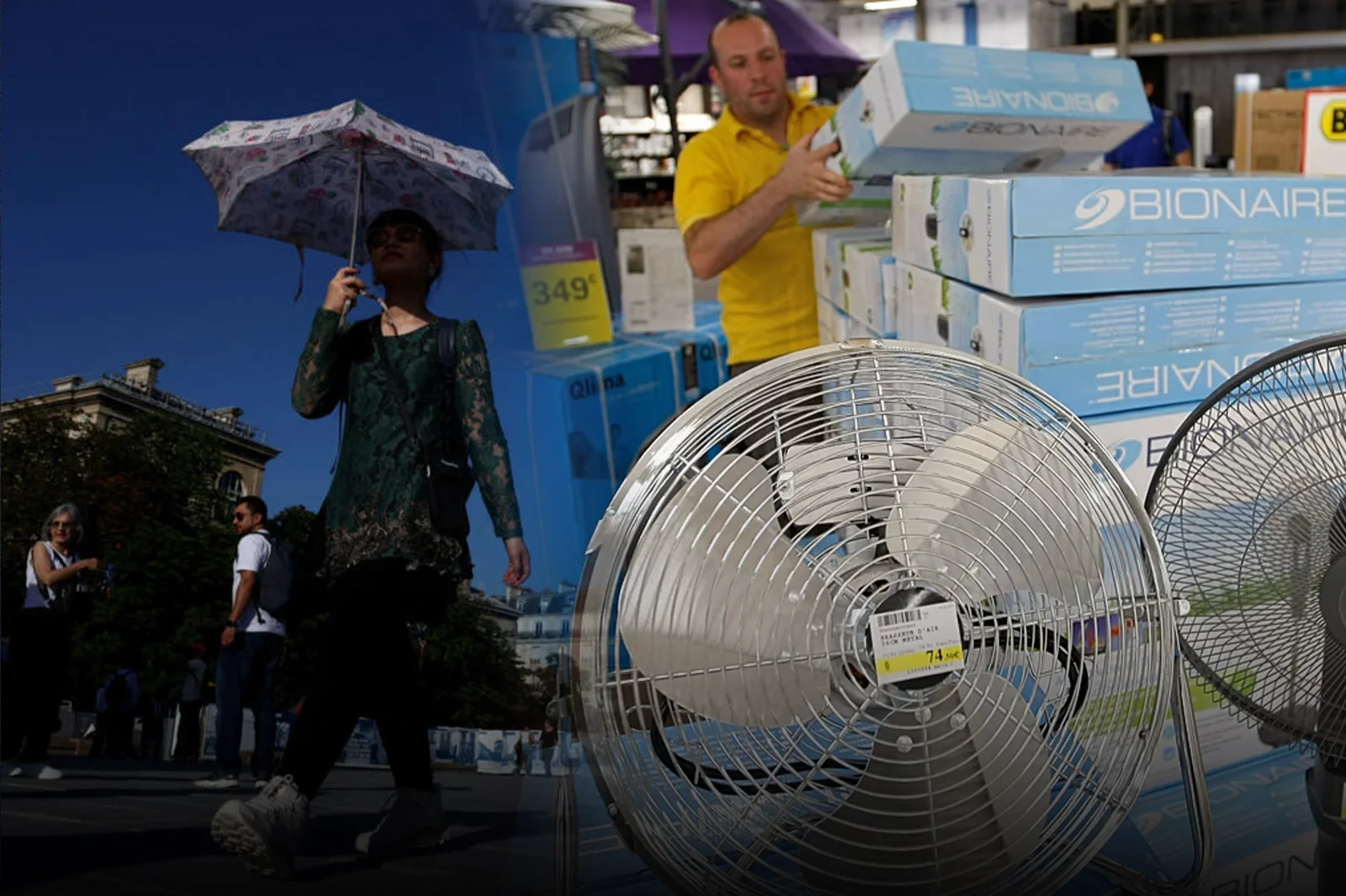
The historic heat wave sweeping across Europe is already being felt strongly in the wallets of millions of consumers. According to an analysis conducted by the environmental organization 350.org, electricity bills in Germany and France increased by a combined more than 700 million euros in just one week due to the rise in energy consumption caused by extreme temperatures.
The study compared the period from June 21 to June 27, when much of Western Europe recorded record temperatures, with the previous week. The results show that the increased use of cooling and air conditioning systems raised the cost of electricity by approximately 371 million euros in Germany and 360 million in France.
The heat wave in Berlin
One of the most striking aspects of the report was the behavior of prices during nighttime hours. In Germany, for example, the wholesale price of electricity rose from 86 euros per megawatt-hour (MWh) at noon to 566 euros/MWh by 8:00 PM, when solar generation decreases while the demand for cooling remains high.
The situation was further exacerbated by issues in energy supply. In France, several nuclear plants temporarily reduced their output due to rising river temperatures used to cool the reactors, while in Germany, lower wind generation forced a reliance on more expensive energy sources, such as gas plants.
In addition to the economic impact, the heat wave continues to cause serious health and social consequences. More than 1,300 additional deaths were recorded in various European countries in recent days, while governments across the continent face wildfires, issues in rail transport, restrictions on electricity generation, and increasing pressure on health systems.
The heat wave in Paris
In light of this data, 350.org proposed establishing a permanent tax on the extraordinary profits of fossil fuel companies. The organization argues that these resources could be used to fund more resilient infrastructure against climate change.
The energy crisis resulting from extreme temperatures once again highlights the vulnerability of European electrical systems to increasingly frequent and intense climate phenomena, in a context where rising demand and supply limitations continue to push energy costs upward.