A historian detected hidden symbols on a Roman cup and opened a new interpretation of its manufacture
Nuevo
Agregar La Derecha Diario en
Compartir:
An unexpected discovery has rewritten part of the history of Roman glass. An art historian discovered a possible code carved into a luxury cup from about 1,500 years ago.
The piece had been on display for decades and the secret appeared with a simple gesture. Changing the point of view was key to revealing information that had always been there.
Una historiadora descubrió un posible código tallado en una copa de lujo de hace unos 1.500 años.
A detail ignored for more than a century
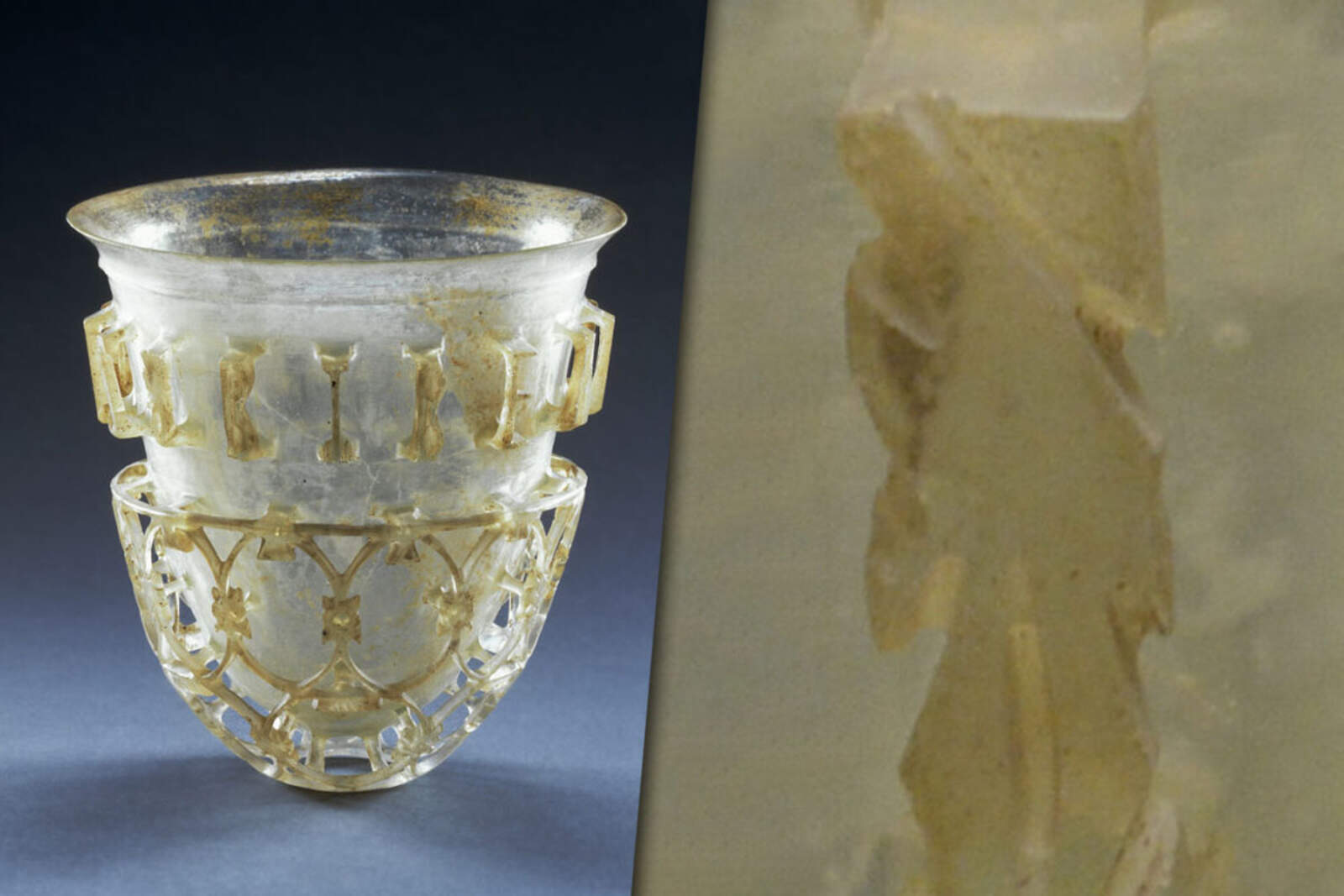
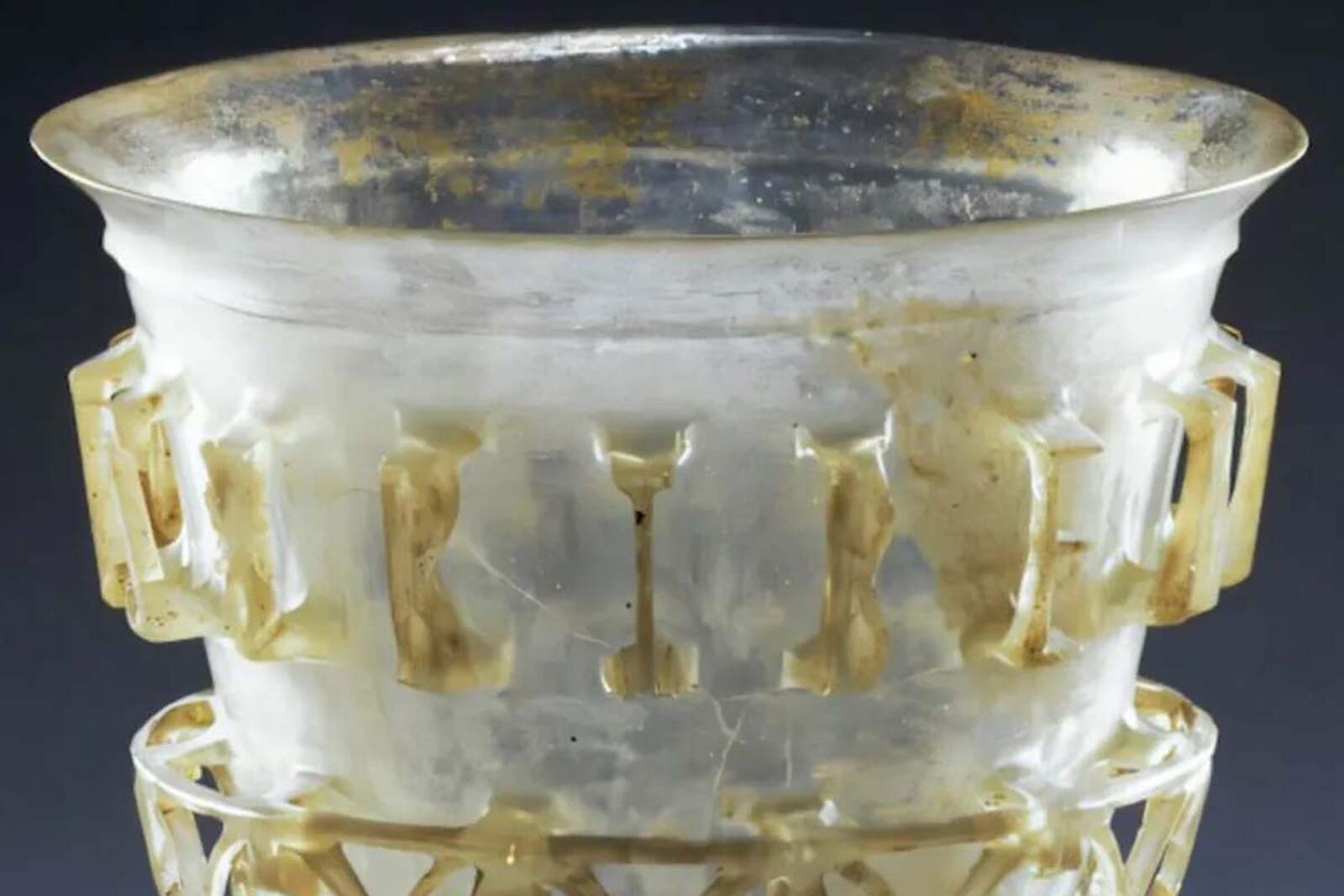
Art historian Hallie Meredith detected symbols on the back of a Roman cup during a visit to the Metropolitan Museum of Art. What seemed like abstract decoration began to be read as information.
Diamonds, crosses, and leaves stopped being ornament. They began to function as clues about how and where these pieces were made.
What diatreta are and why they are unique
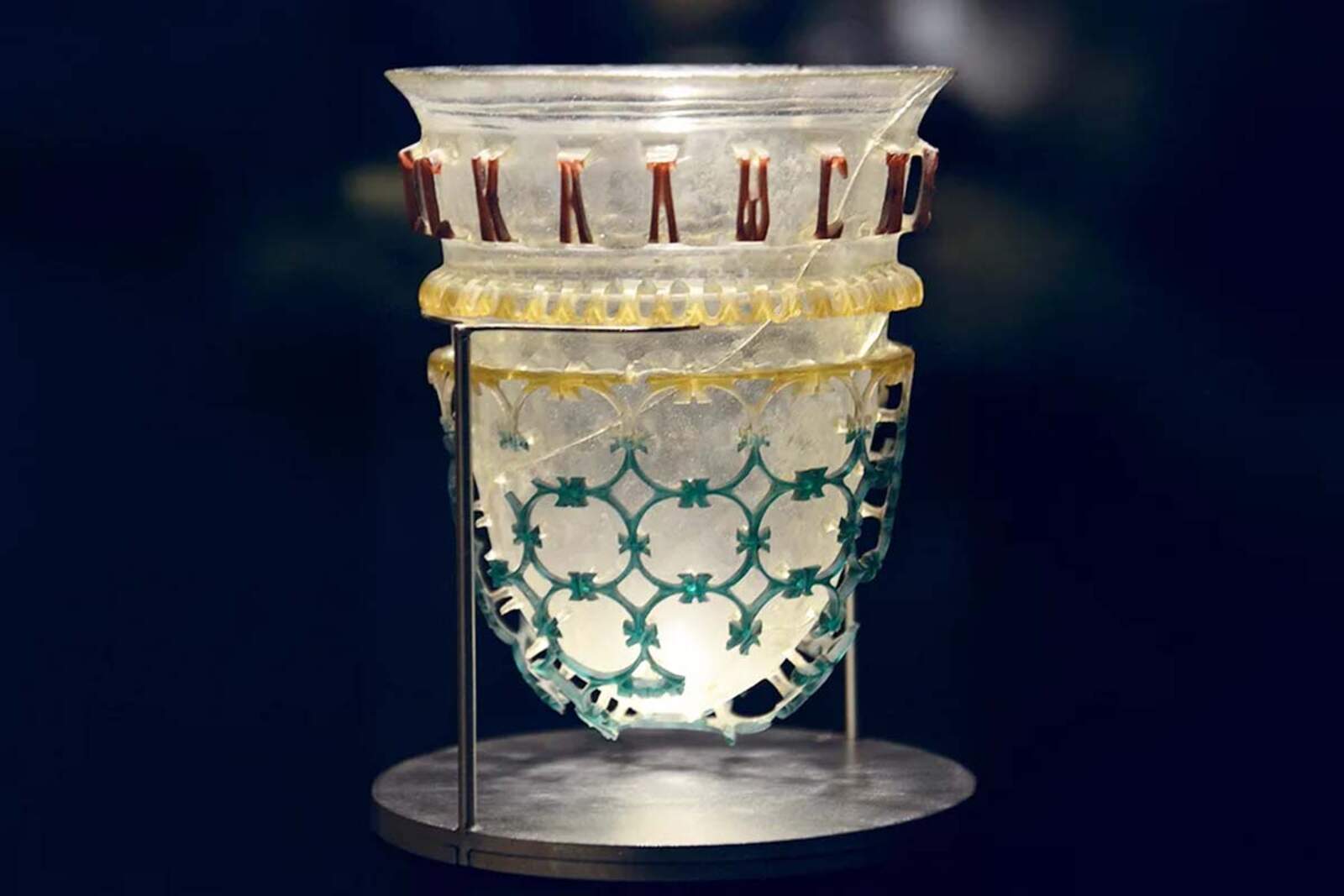
The cup belongs to the so-called diatreta or cage cups. These are luxury vessels from the 4th and 5th centuries that were carved from a solid block of glass. The outer mesh remained attached to the inner body by extremely thin bridges.
Hallie Meredith
These pieces were not quickly blown. They required planning, control of the material, and extreme precision. For that reason, for years, academic discussion has revolved around their production methods.
From the object to the organization of the workshop
According to Meredith, the repeated symbols would function as workshop marks, and they would not be individual signatures. The hypothesis points to collective production. Carvers, polishers, and apprentices would work in an organized way.
Los símbolos repetidos funcionarían como marcas de taller
The results were published in the Journal of Glass Studies and taken up by other academic outlets.