An election in a district in the United Kingdom has once again highlighted the significant advance of the British right and the decline of support for Labour.
The elections took place in Makerfield, which reflected a historic advance of the right in one of the strongest bastions of the left in the European country.
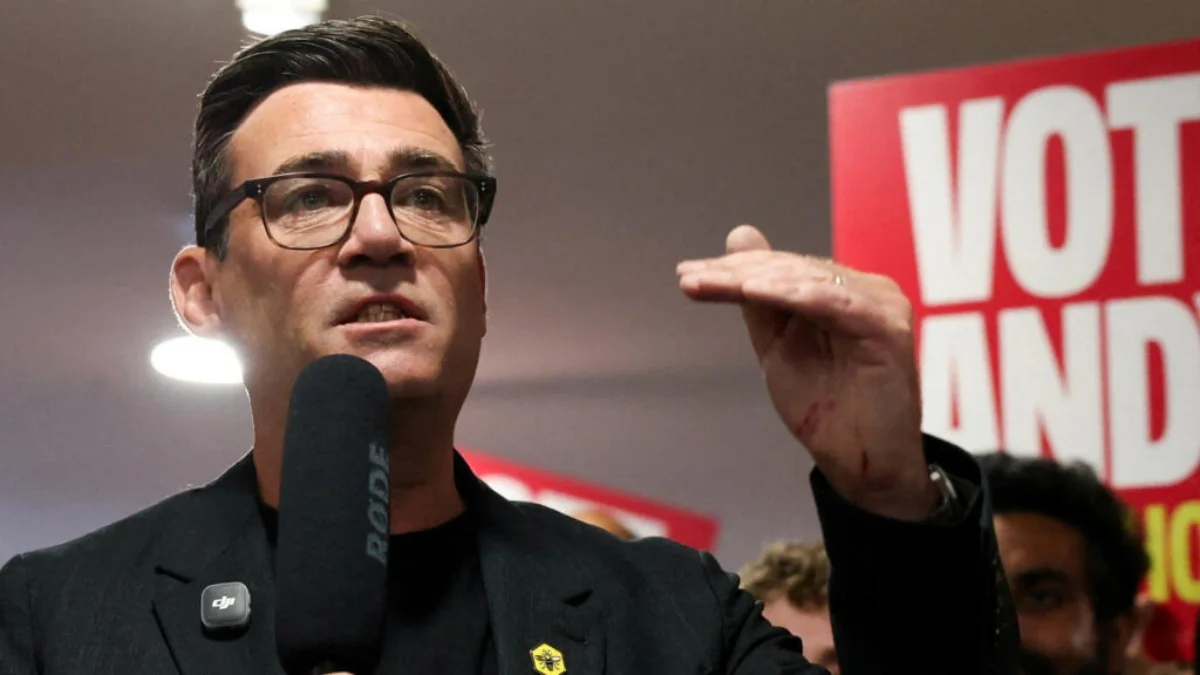
The current mayor of Greater Manchester, Andy Burnham, from the Labour Party, won the elections with 24,927 votes, representing 54.8% of the total.
However, the most significant data was the growth of the opposing forces, particularly the right-wing group Reform UK, which managed to establish itself as the second force with 15,696 votes, equivalent to 34.5%.
Andy Burnham
The rest of the electoral map completed a fragmented scenario, with Restore Britain reaching 3,111 votes (6.8%), the Conservative Party with 997 votes (2.2%), and the Green Party with 308 votes (0.7%).
When adding the performance of all right-wing forces in the election, the bloc reached a total of 19,804 votes, which is approximately 43.5% of the electorate.
This is a historic result in Makerfield, a constituency historically aligned with the Labour Party since its creation, where the left comfortably surpassed 70% of the votes during its period of greatest strength.
This growth marks a structural change in the electoral behavior of the district, reflecting a significant retreat of Labour dominance in the area. The consolidation of Reform UK as the main opposing force also demonstrates a channel of expression for the discontent of a large part of the electorate.
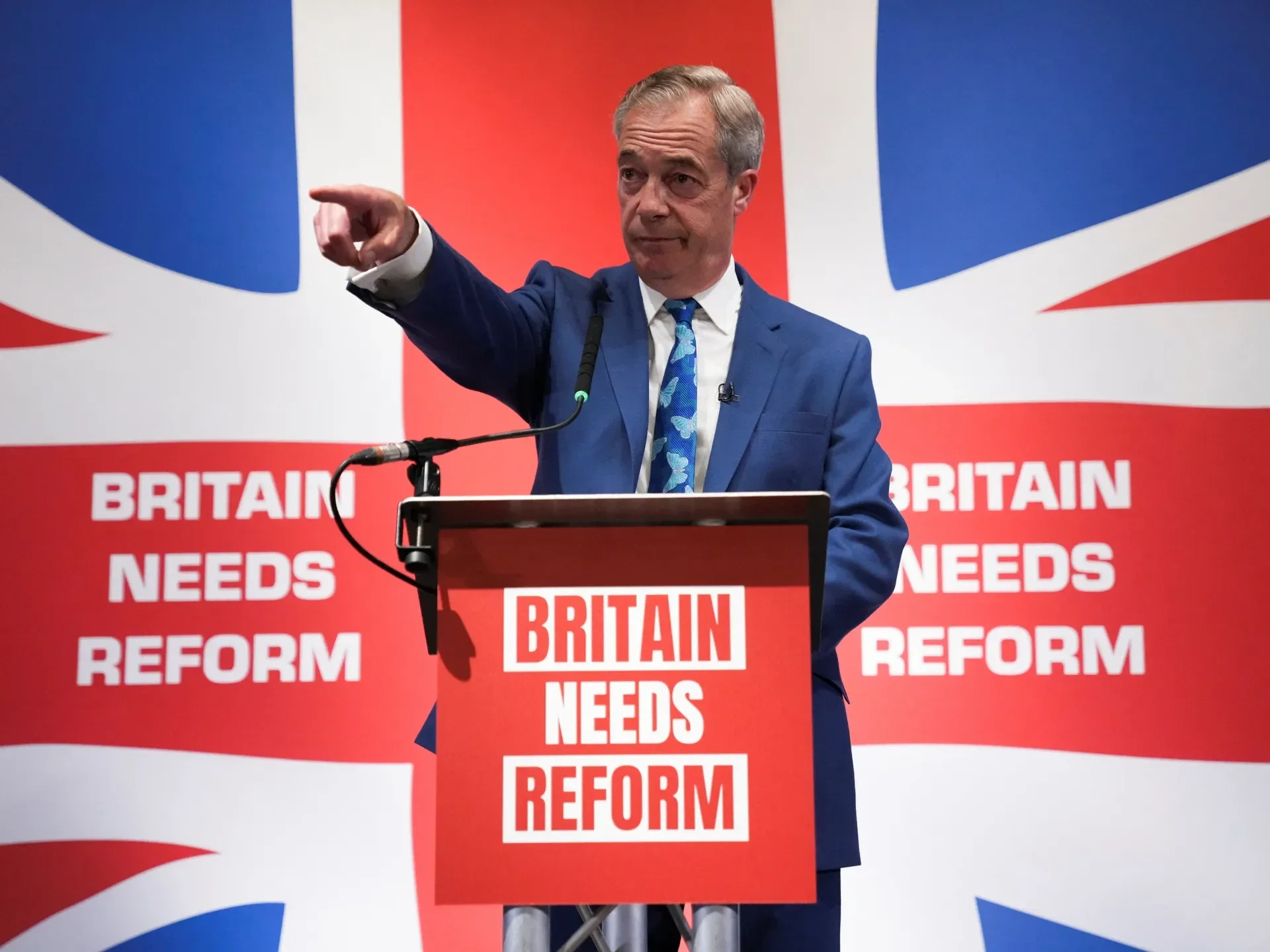
Nigel Farage of Reform UK
Among the factors explaining this advance are the impact of the cost of living and the concern about illegal immigration, issues that have gained centrality in the political debate and have been capitalized on by right-wing forces.
On the other hand, Burnham's victory reinforces his positioning within the Labour Party and projects him as a key figure in the internal, consolidating him as the main rival of the current Prime Minister, Keir Starmer.
The result not only allows him to retain the seat but also strengthens his political profile in a context of growing tension within the British government.
Still, political analysts agree that a significant portion of Labour's votes were driven by Burnham's enormous personal popularity and the strategic vote of smaller leftist parties (like the Greens) to try to curb the right.