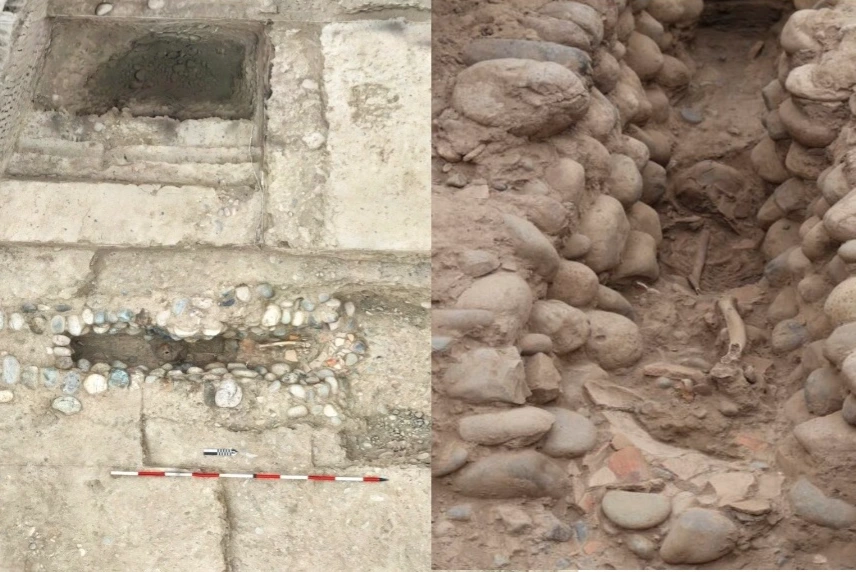
In the city of Lima, Peru, a team of archaeologists discovered the bones of an adult near the base of the Huaca Pucllana, an adobe pyramid built by the Lima culture about 1,400 years ago. According to a report from the Associated Press, the discovery occurred in an area linked to an ancient underground canal.
Archaeologist Gladys Paz explained that the remains likely belonged to a man who may have been sacrificed during a ritual intended to close that canal, which was connected to a ceremonial pool. The finding provides new information about the funerary and ritual practices of this pre-Hispanic society.
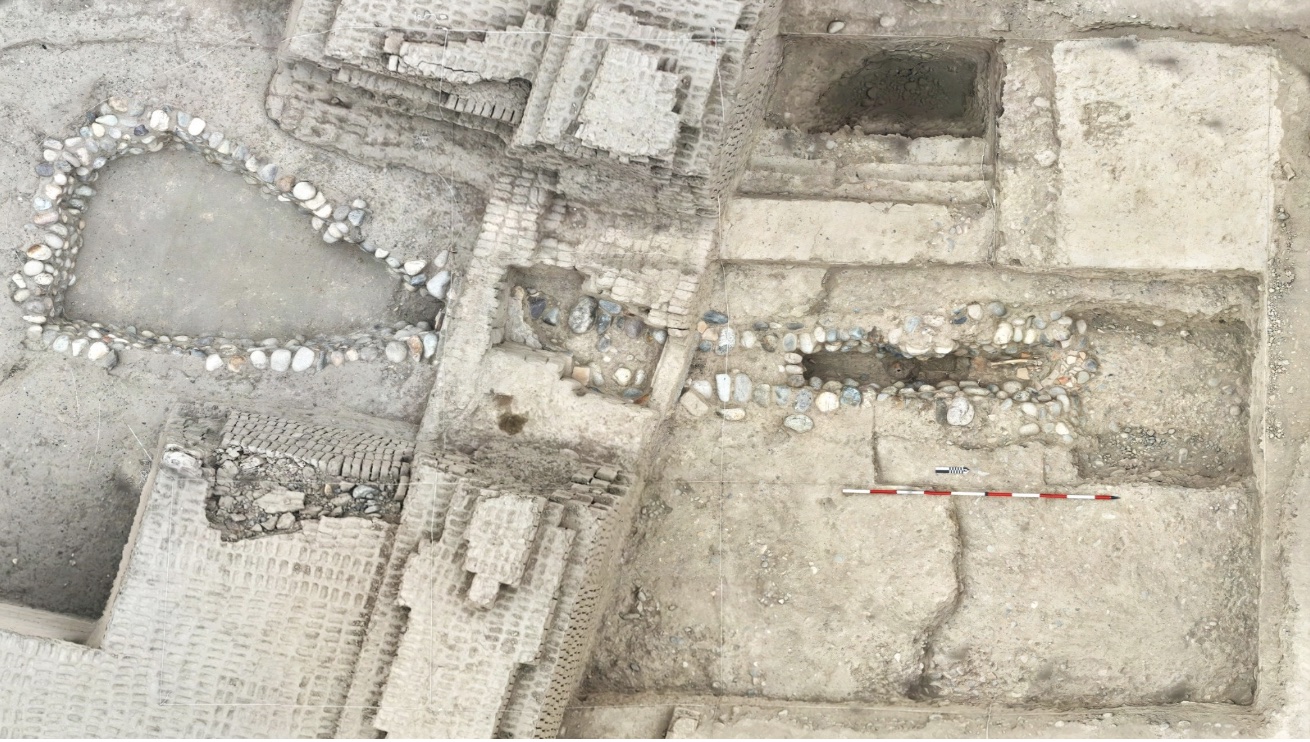
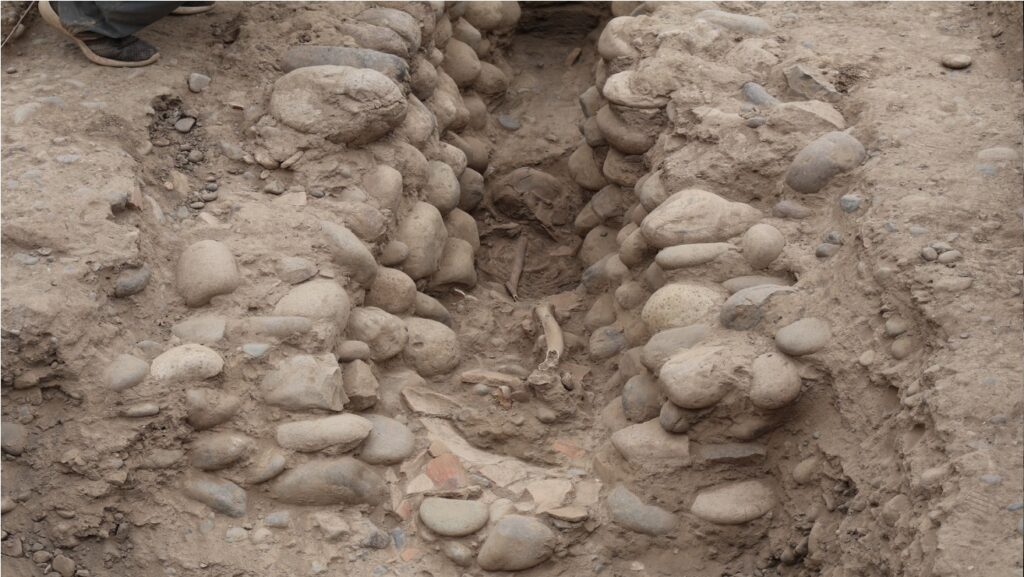
The canal differed from other structures on the site because it was lined with river stones rather than the small adobes used in much of the construction of Huaca Pucllana. The skeletal remains were found within that conduit.
According to Paz, the body rested on its left side, with the skull oriented toward the pyramid and the Pacific Ocean. This position could have symbolic significance within the beliefs of the Lima culture, although researchers have not yet made definitive interpretations.
Pending Analysis of the Remains
The bones will undergo studies to determine the health status of the individual and the possible cause of death. These analyses will help clarify whether it was indeed a sacrifice or if there are other explanations for the presence of the body in the canal.
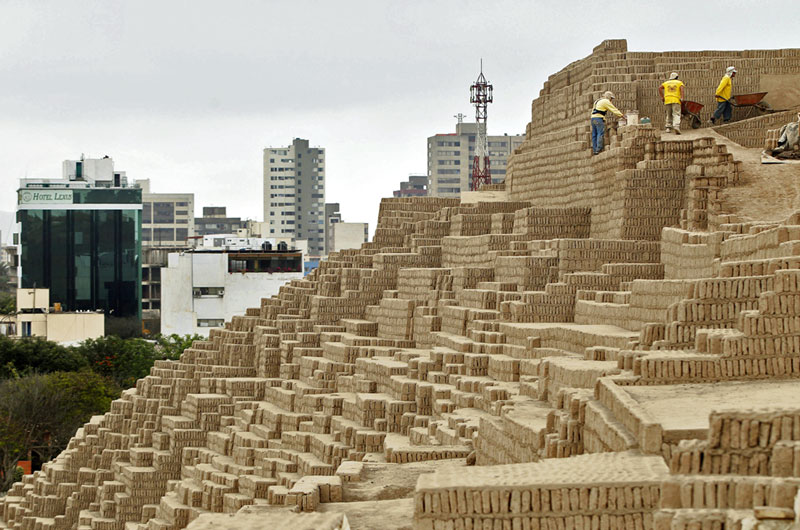
Huaca Pucllana is one of the most important archaeological sites in the Rímac valley. For centuries, it served as a ceremonial and administrative center for the Lima culture, which occupied the central Peruvian coast before the expansion of later groups.
The discovery adds to previous findings of burials in the same complex. In the past, funerary bundles and other remains were recovered that allowed for the reconstruction of aspects of daily life, beliefs, and social organization of its inhabitants.
The location of the bones, precisely at the closure point of a canal linked to a ceremonial pool, reinforces the hypothesis of a ritual act. Paz emphasized that the lining of river stones marks a notable constructive difference compared to the rest of the architecture of the site.
Context of the Archaeological Site
Huaca Pucllana is characterized by its adobe structure in the shape of a truncated pyramid and by the ceremonial spaces that surround it. The recent finding is concentrated in the area near the base, where the underground canal was part of a hydraulic and symbolic system.
Specialists emphasize that the orientation of the skull toward the pyramid and the sea could be related to local cosmovisions that linked death, water, and sacred spaces. However, until osteological studies are completed, details about age, definitive sex, or possible injuries cannot be confirmed.
For now, the team hopes that the analyses will provide concrete data about the individual's health and the circumstances of their death. Meanwhile, the discovery confirms that Huaca Pucllana continues to reveal valuable information about the ritual practices of the Lima culture over a millennium ago.
This type of finding allows archaeologists to reconstruct more accurately how ceremonial acts were organized and what role canals and pools played in the religious life of the time. The position of the body and the context of the canal are central elements for future interpretations.
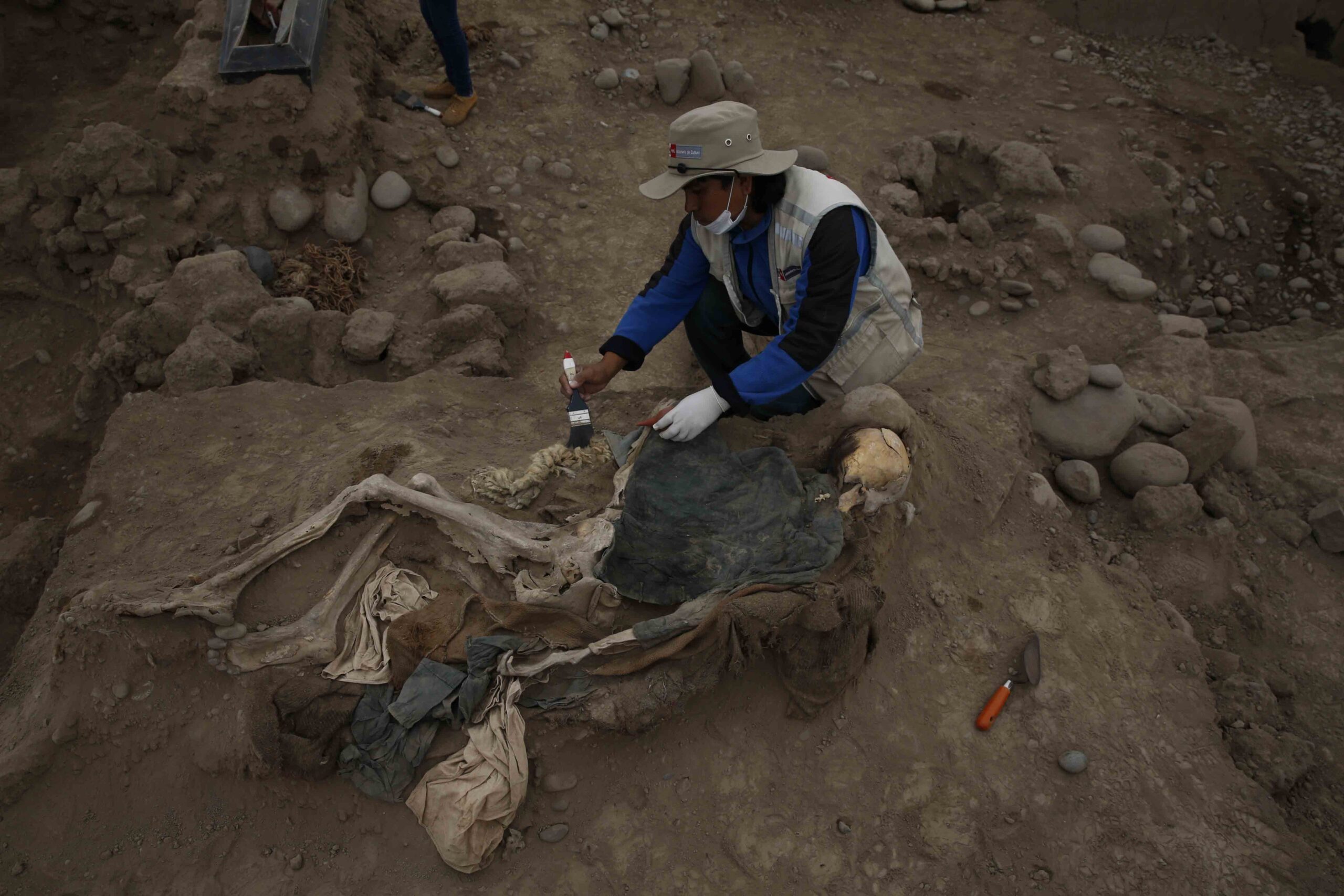
The news, disseminated from the Associated Press report, once again brings attention to this important site in Lima and the ongoing research there. Each new recovered remains adds pieces to the complex puzzle of the pre-Hispanic history of the central Peruvian coast.
With the analysis of these bones, it is hoped to obtain more data about the living conditions of the population and possible rituals for closing sacred spaces. The hypothesis of sacrifice remains open until scientific studies provide conclusive evidence.