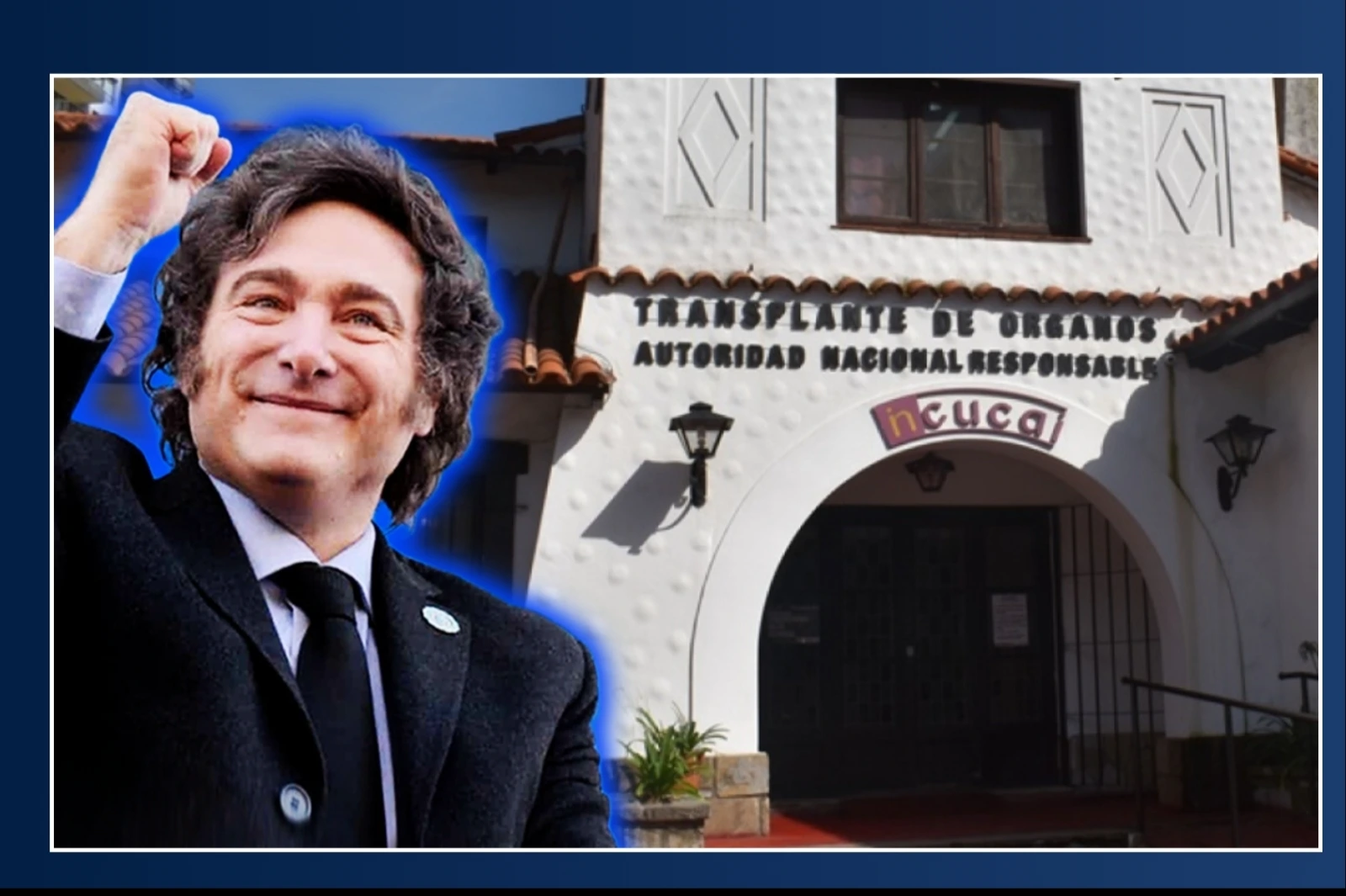
Donation and transplantation are undergoing a sustained growth process in Argentina. By 2025, we reached a rate of 20.59 donors per million inhabitants, the highest in our history, and that trend continues. So far this year, more than 2,500 people have received a transplant.
These results are possible thanks to a healthcare system that has thousands of trained professionals and hundreds of organ, tissue, and cell transplant centers distributed throughout the country, authorized and supervised by provincial health authorities under a national regulatory framework coordinated by INCUCAI.
But behind every figure, there is a person waiting. That is why, after nearly 50 years of development of the Argentine donation and transplantation system, our main challenge remains the same: to provide a more timely and equitable response to those who need a transplant to regain their health or save their lives.
To achieve this goal, it is essential to have clear, updated rules built from the consensus of all stakeholders. The solidity of the Argentine regulatory framework is one of the pillars of the system, which is why its ongoing update is carried out with the participation of transplant teams, patients, provincial health authorities, and the various advisory bodies of INCUCAI.
A system that grows and expands access to transplantation
In recent years, we have taken significant steps in that direction. One of them was the establishment of new transplant programs in different jurisdictions, which allow for the development of local capacities and bring care closer to patients, avoiding unnecessary transfers.
We have also made progress in strengthening organ procurement within hospitals. Through the Procure Program, 48 Hospital Units for Organ and Tissue Procurement (UHPROT) have been implemented across the country, aimed at improving the identification, selection, and treatment of potential donors.
In addition, 40 clinics for the comprehensive management of Advanced Chronic Kidney Disease (ERCA) have been established, which strengthen the detection, registration, and care of people with this disease and improve their access to various treatment options.
During 2025, we also implemented the Pediatric Kidney Transplant Regionalization Program, with the goal of ensuring that each region of the country has an authorized team in a public hospital. That same year, we approved the National Program for Equitable Access to Corneal Transplantation, to optimize procurement and ensure a federal and equitable distribution of available corneas.
New capacities for a more federal system
Another strategic advancement was the creation and operation of the National Laboratory of Immunogenetics (LNI). Having this capacity allows for the necessary histocompatibility studies for certain transplants to be conducted in the country, moving towards self-sufficiency and expanding access to these studies.
In terms of hematopoietic progenitor cell donation, we incorporated in 2025 the buccal swab as a complementary tool for donor recruitment and typing. The goal is to expand the National Donor Registry and its genetic diversity. That same year, the Registry received international certification from the World Marrow Donor Association (WMDA), in recognition of its quality and reliability.
Innovation to increase organ availability
Innovation is also key to increasing organ availability. Argentina began to develop donation in asystole, which allows for the procurement of organs for transplantation when death occurs due to the irreversible cessation of circulatory functions. This process is regulated by the protocol approved by INCUCAI in 2023 and continues to incorporate new tools. Last month, we approved the Normothermic Regional Perfusion protocol, a technique that allows for better preservation of organs, increases their availability, and improves transplant outcomes.
None of this would be possible without training. Since 2017, INCUCAI has trained professionals from critical areas across the country in organ and tissue procurement. More than 800 medical and nursing professionals have already been trained, while the Hospital Teaching Units Program strengthens practical training in hospitals with high procurement rates.
A system that seeks to guarantee equal opportunities
All these advancements have a common purpose: that the place where a person lives does not determine their chances of accessing a transplant.
INCUCAI, as a decentralized body of the Ministry of Health of the Nation, is responsible for promoting, regulating, and coordinating the procurement and transplantation of organs, tissues, and cells throughout the country. It does so alongside the 24 Provincial Organ Procurement and Implantation Agencies (OPAI), articulating capacities and building a federal system.
The results achieved show that Argentina has a solid, professional, and constantly evolving system. We continue to strengthen it, incorporating innovation, training professionals, and expanding the capacities of each province.
Because behind every donor, there is an opportunity, and behind every person on the waiting list, there is a story that deserves a response. That is the commitment that guides our work.