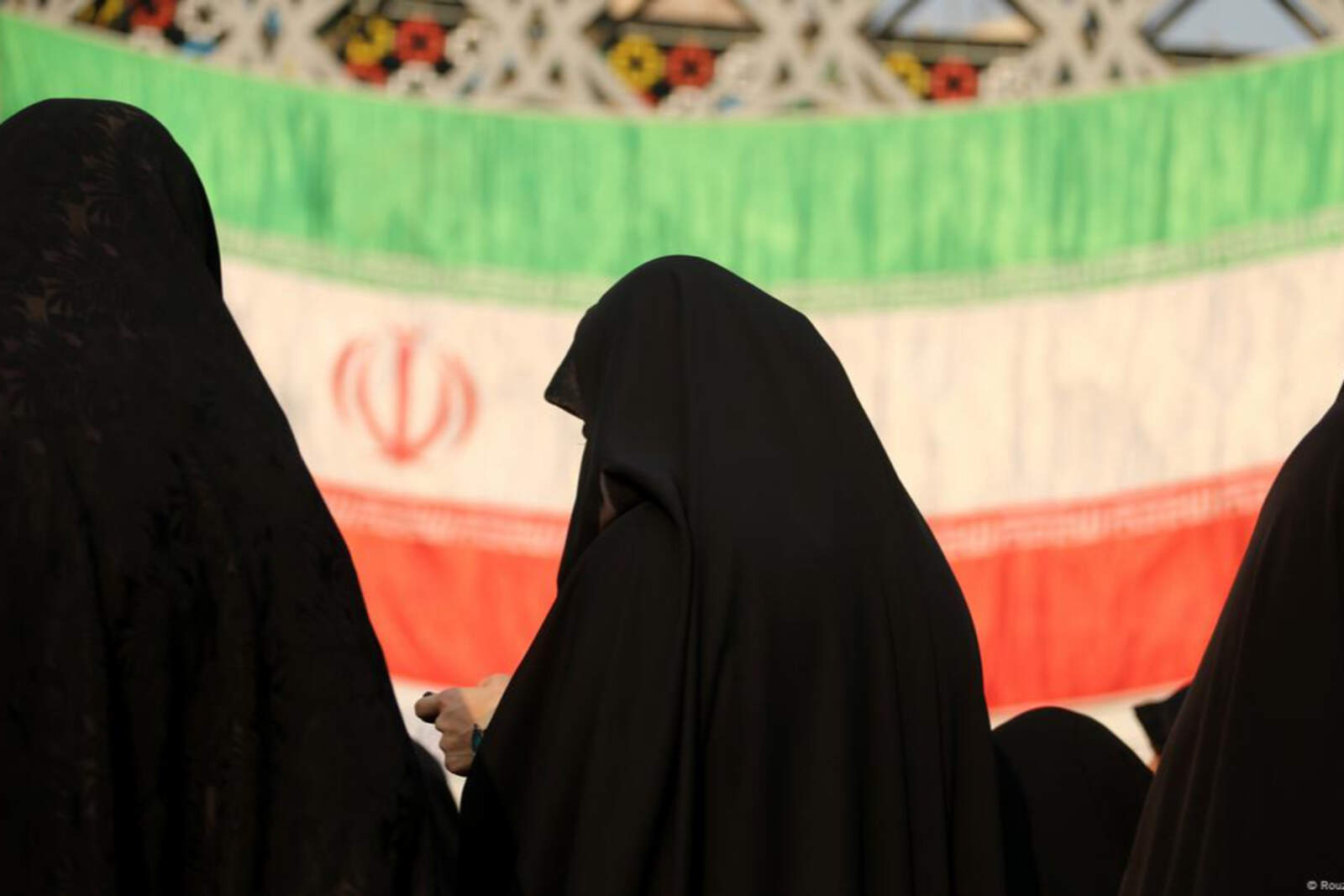

At Amirkabir University of Tehran, facial recognition software was installed at the entrances to identify women not wearing the hijab, according to the report.
It is also suspected that surveillance cameras on the country's main routes are being used to locate women without the veil.
The investigators indicated that they managed to obtain the mobile application "Nazer," developed by the Iranian police, which allows citizens to report women not wearing the hijab in vehicles such as ambulances, buses, subway cars, and taxis.
The application allows users to record the location, date, time, and license plate of the vehicle where the "mandatory hijab violation" would have occurred. This digitally marks the vehicle and notifies the police, according to the report.
"A text message (in real-time) is then sent to the registered owner of the vehicle, warning them that they have been detected violating the mandatory hijab laws and that their vehicle will be impounded if they ignore these warnings," the study explains.
In this context, in July 2024, police officers shot and immobilized a woman who had received one of these reports and was trying to escape from an Iranian checkpoint near the Caspian Sea.