








The United States special envoy for Syria, Thomas Barrack, traveled to Beirut on Thursday to meet with Lebanese authorities and express the U.S. opposition to direct Hezbollah involvement in the conflict.
Barrack warned the president of the Lebanese Parliament, Nabih Berri, an ally of the Shiite group, that attacking Israel would be a "very bad decision." He added that both President Donald Trump and other officials have been clear in this message.
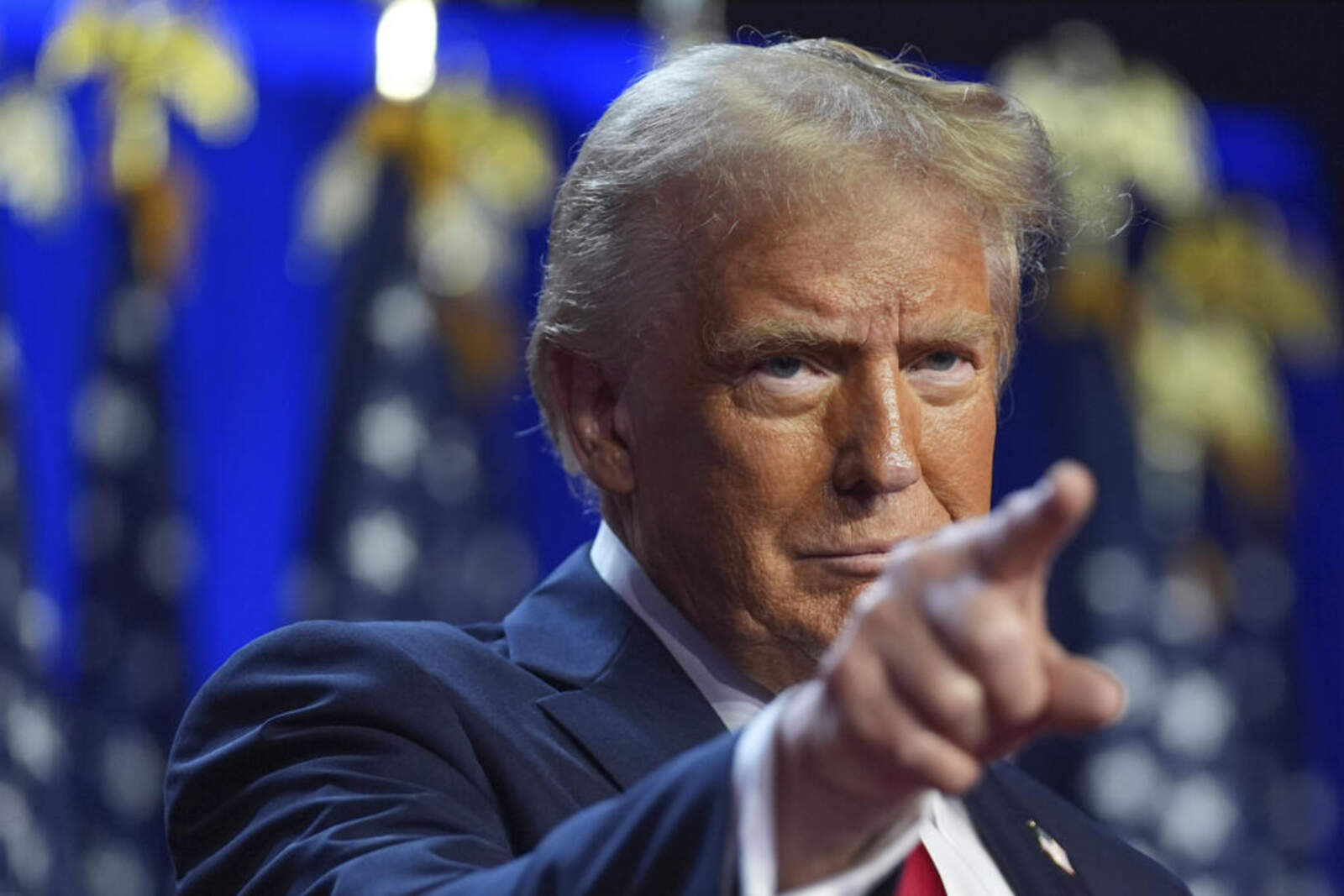
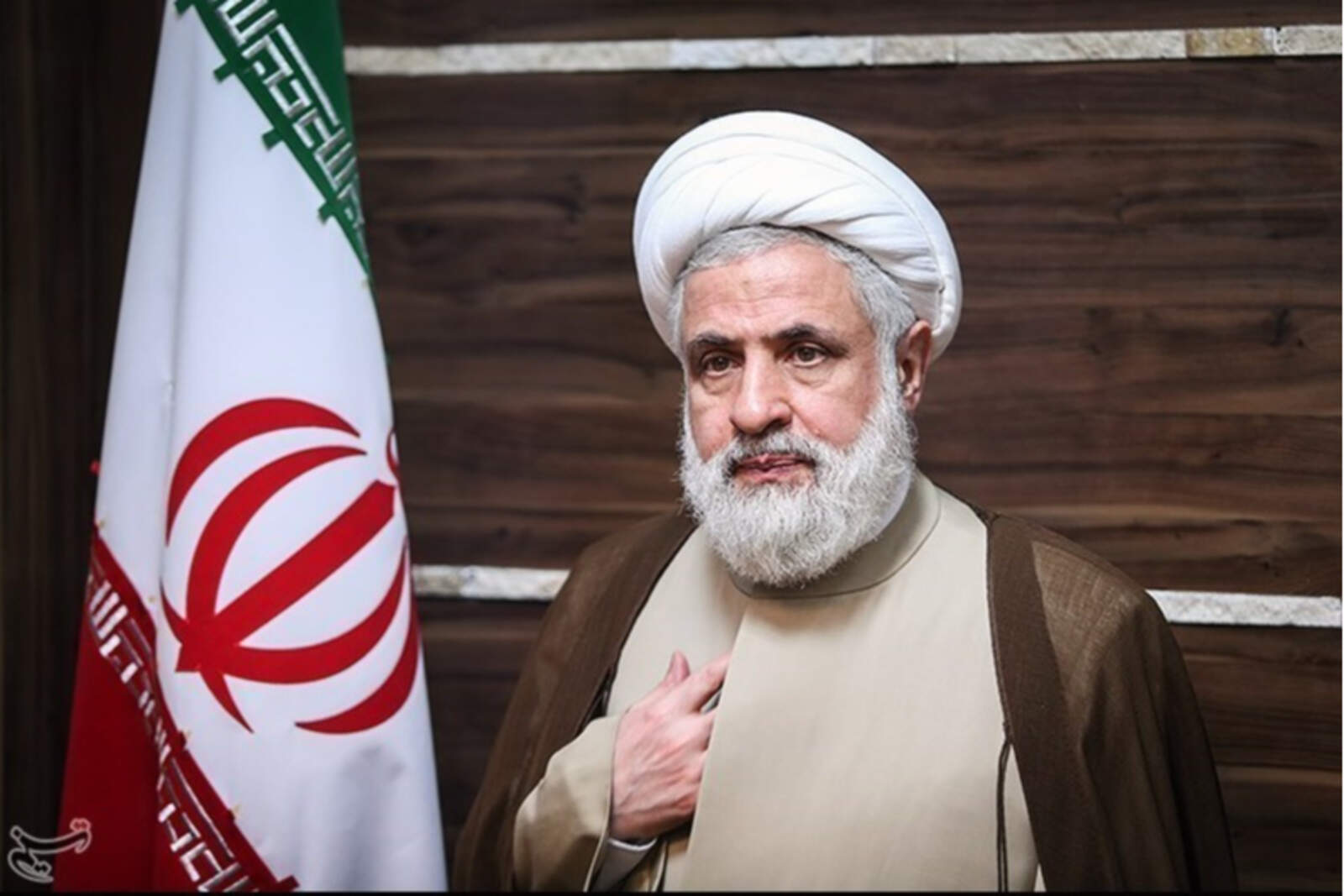
From Washington, White House spokesperson Karoline Leavitt stated that President Trump will decide in the next two weeks whether to launch a direct attack against Iran, although he still hopes for a negotiated solution. Leavitt acknowledged that Iran already possesses the technical capability to manufacture a nuclear weapon, and that only a decision from Ayatollah Khamenei is needed to proceed.
Meanwhile, Iran stated that it will not discuss its nuclear program while under attack, which complicates de-escalation efforts. Meanwhile, Israel has requested military support from the United States, including the use of bunker-buster bombs to destroy Iran's Fordow nuclear facility, located in a mountain.
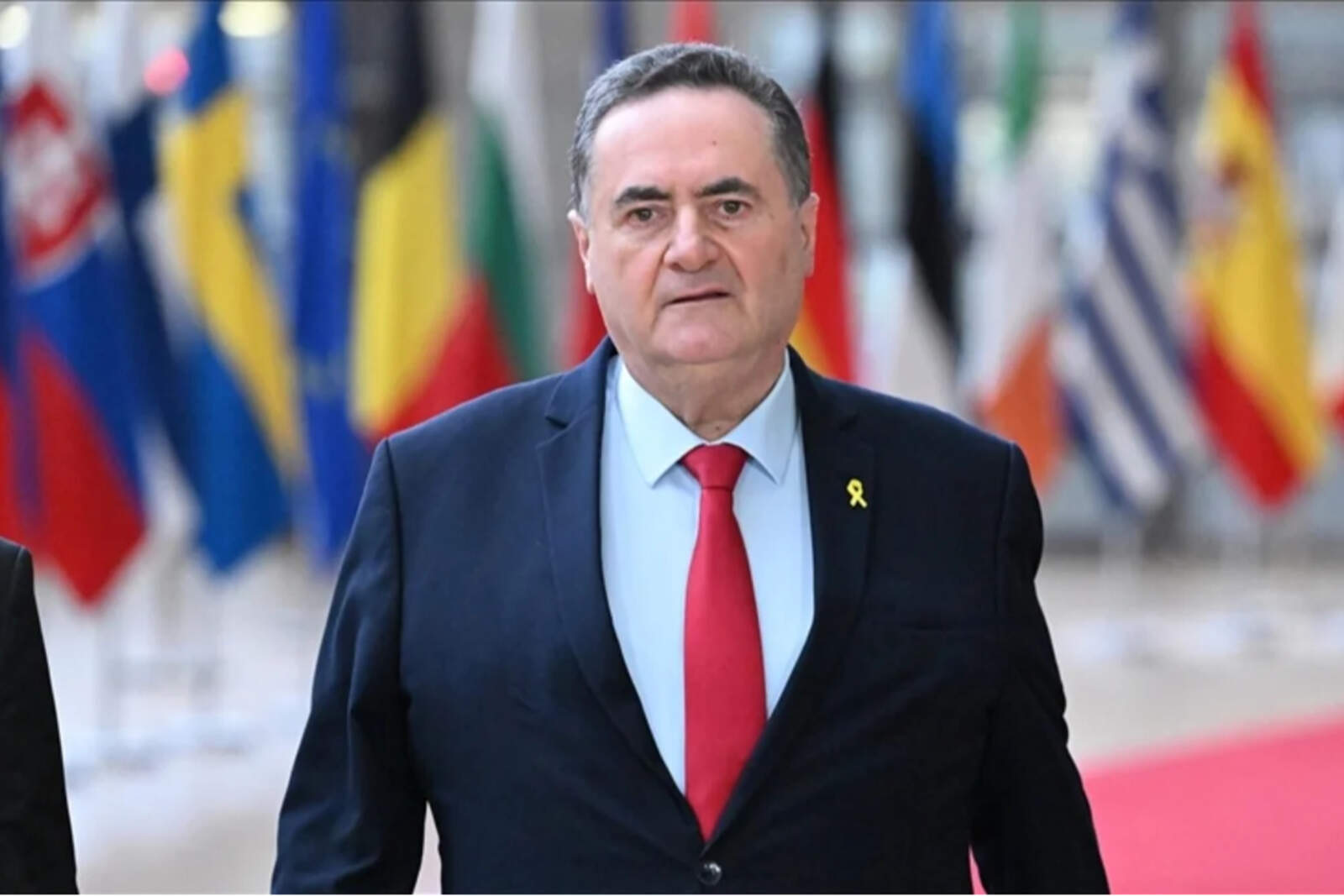
On Friday, the foreign ministers of the European Union, including the United Kingdom, France, and Germany, will meet in Geneva with Iranian Foreign Minister Abbas Araqchi, with the aim of seeking a diplomatic solution to halt the military escalation in the Middle East.