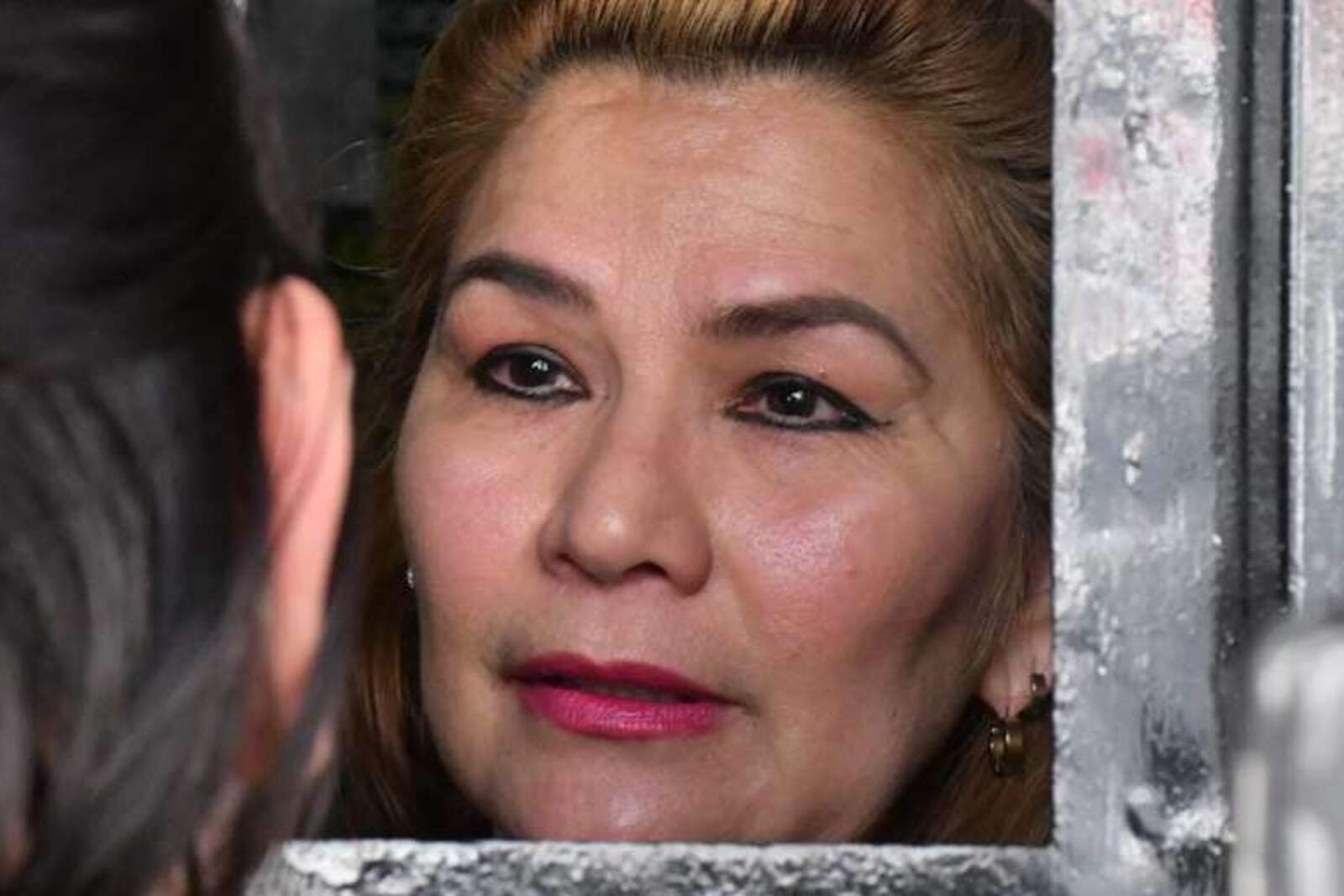

According to Ávila, any ruling must be framed within what the Constitution and current laws establish. He also reminded that the Supreme Electoral Tribunal is composed of seven members and that resolutions are made by majority.
The debate over the legal status of political parties remains open. Analyst Carlos Cordero warned that Bolivia is facing a possible political change, as several traditional fronts could disappear if they do not participate in the upcoming elections. Among them are the Movimiento Nacionalista Revolucionario (MNR), Acción Democrática Nacionalista (ADN), and Unidad Nacional (UN).
The TSE announced that the deadline for parties to update their leaderships is March 20. So far, FPV, PAN-BOL, and ADN have not met this requirement, which could lead to new sanctions.
Meanwhile, tensions between the Electoral Body and political actors continue to rise. Áñez demanded guarantees for a transparent electoral process and proposed the need for a cleaned-up electoral roll. She also suggested a Rapid Transmission of Results (TREP) system operating at 100% and a mandatory debate between candidates.
The recent statements by the TSE members have raised concerns about the impartiality of the electoral body. The affinity of some authorities with certain political actors casts doubt on the independence of the process and the public's trust in the upcoming elections.
In a democracy, the transparency and neutrality of electoral referees are essential to guarantee the legitimacy of the results. The TSE will manage to dispel suspicions and act with the impartiality that the public demands.