The Mercosur and Japan are making progress towards the possibility of negotiating a trade agreement that could reduce tariffs, facilitate bilateral trade, and open up new investment opportunities.
Although it is not yet confirmed, one of the first steps could take place on the diplomatic front, as Prime Minister Sanae Takaichi is scheduled to meet with Brazil's dictator, Luiz Inácio Lula da Silva, during the G7 summit. This meeting appears to be an opportunity to officially launch the talks.
Behind this rapprochement is a combination of factors. On one hand, Tokyo seeks to diversify its energy sources and ensure access to critical minerals. On the other hand, there is a growing concern about the competitiveness of its automotive industry in South America.
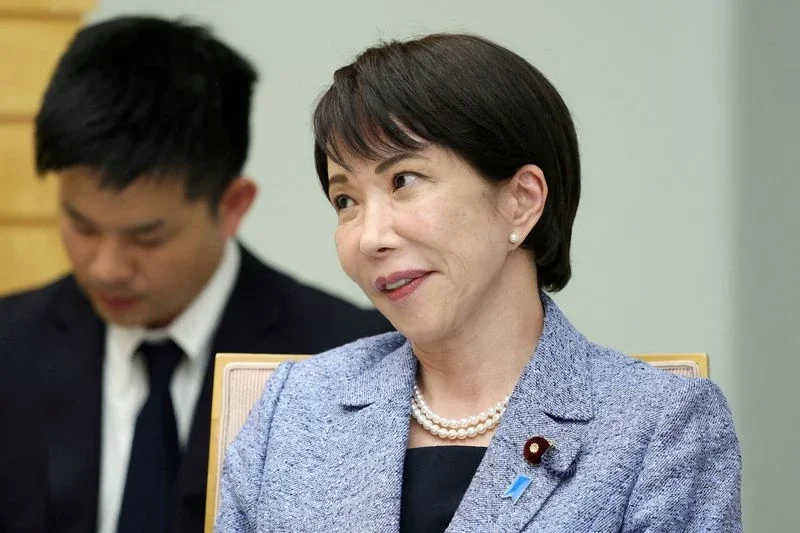
The Prime Minister of Japan, Sanae Takaichi.
Today, Japanese vehicles and auto parts face high tariffs in markets like Brazil and Argentina, making their entry more expensive compared to competitors. This disadvantage could deepen following the progress of the agreement between Mercosur and the European Union, which improves conditions for manufacturers from the Old Continent such as Volkswagen, Stellantis, and Renault.
In contrast, Japanese companies like Toyota, Honda, and Nissan see a potential agreement as a way to balance this scenario and strengthen their presence in the region.
The push does not come solely from the government. Organizations like JETRO and Keidanren have been actively promoting the opening of negotiations, with a particular emphasis on improving supply chains between Asia and South America.
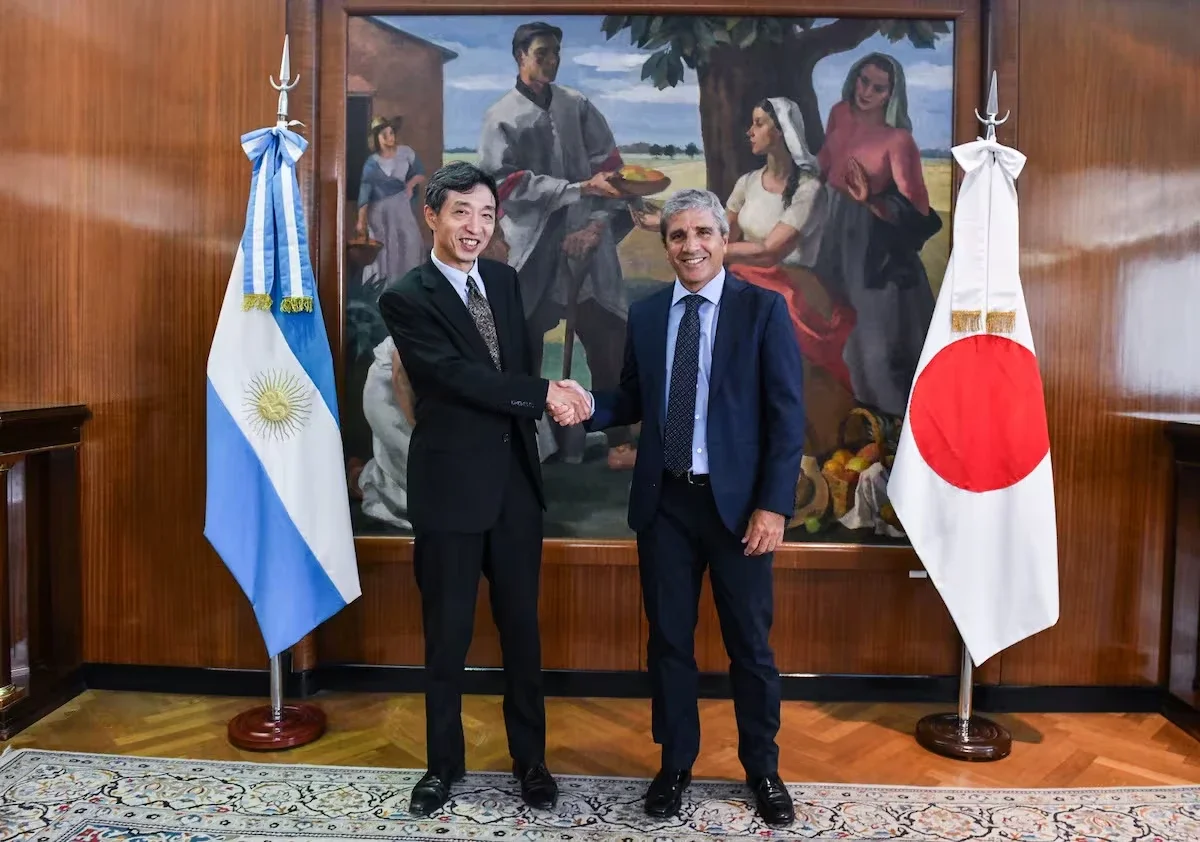
Toto Caputo and the ambassador of Japan in Argentina.
For Argentina, Japanese interest opens a window of opportunities. In addition to potential investments in the automotive industry, there is the potential to expand exports in strategic sectors. Lithium, in particular, is positioned as a central resource for Japan, given its role in battery manufacturing and the development of electric mobility.
In an increasingly competitive international scenario, Mercosur seeks to expand its network of trade agreements, a significant shift that began two years ago, given the protectionist history of the regional bloc.
If the understanding with Japan progresses, it will not only positively impact bilateral trade but could also reconfigure the map of the regional automotive industry in the coming years.