The explosion of a car bomb in Islamabad, the capital of Pakistan, caused panic throughout the entire country, and the Taliban are at the center of the storm
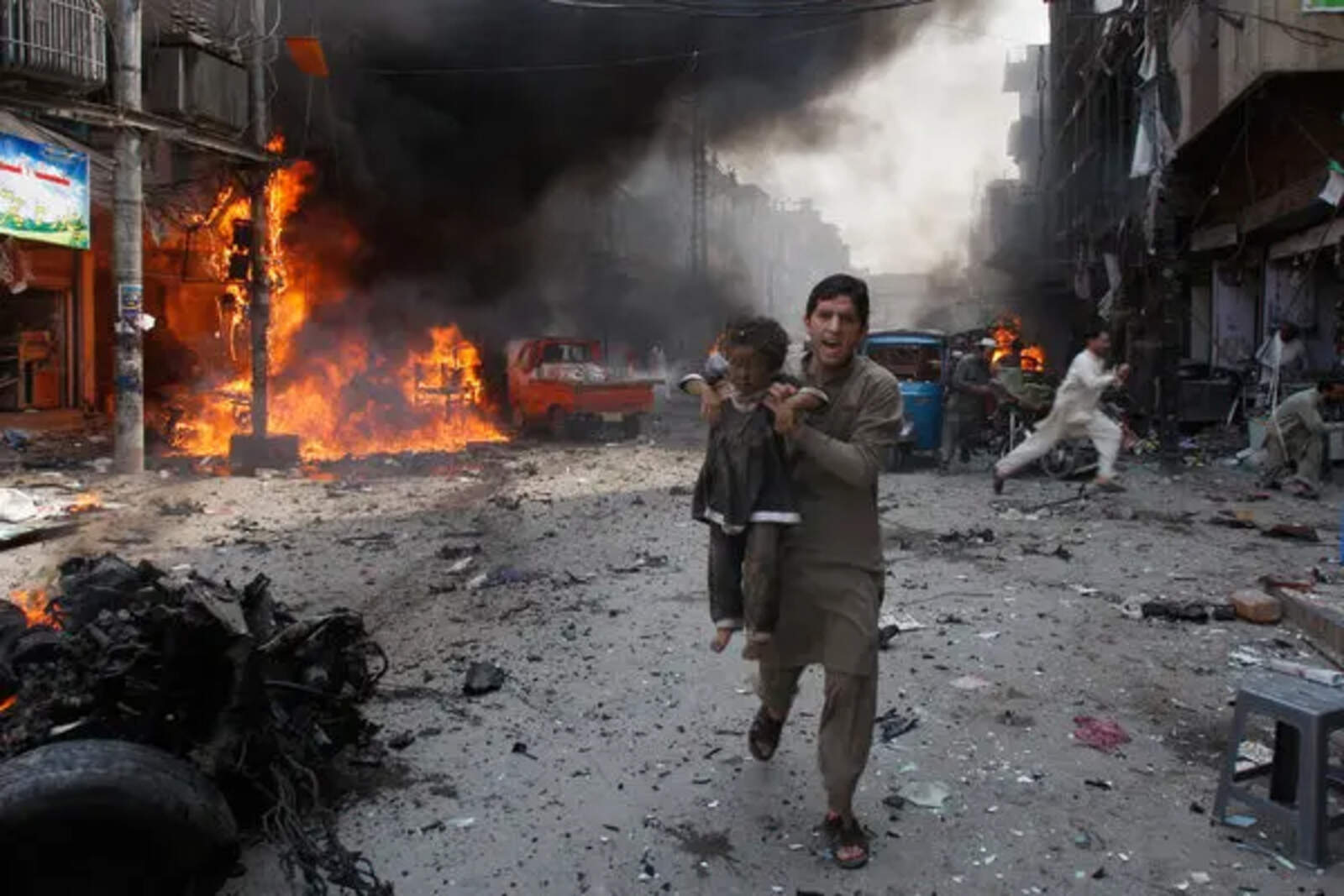
A suicide attack outside Islamabad district court left at least 12 dead and 27 injured on Tuesday, in one of the deadliest attacks recorded in the Pakistani capital in recent years.
According to the Interior Minister, Mohsin Naqvi, the striker tried to enter the judicial complex, but after failing to do so, detonated the explosives near a police vehicle after waiting for about fifteen minutes. The victims include several officers and civilians who were in the area during working hours.
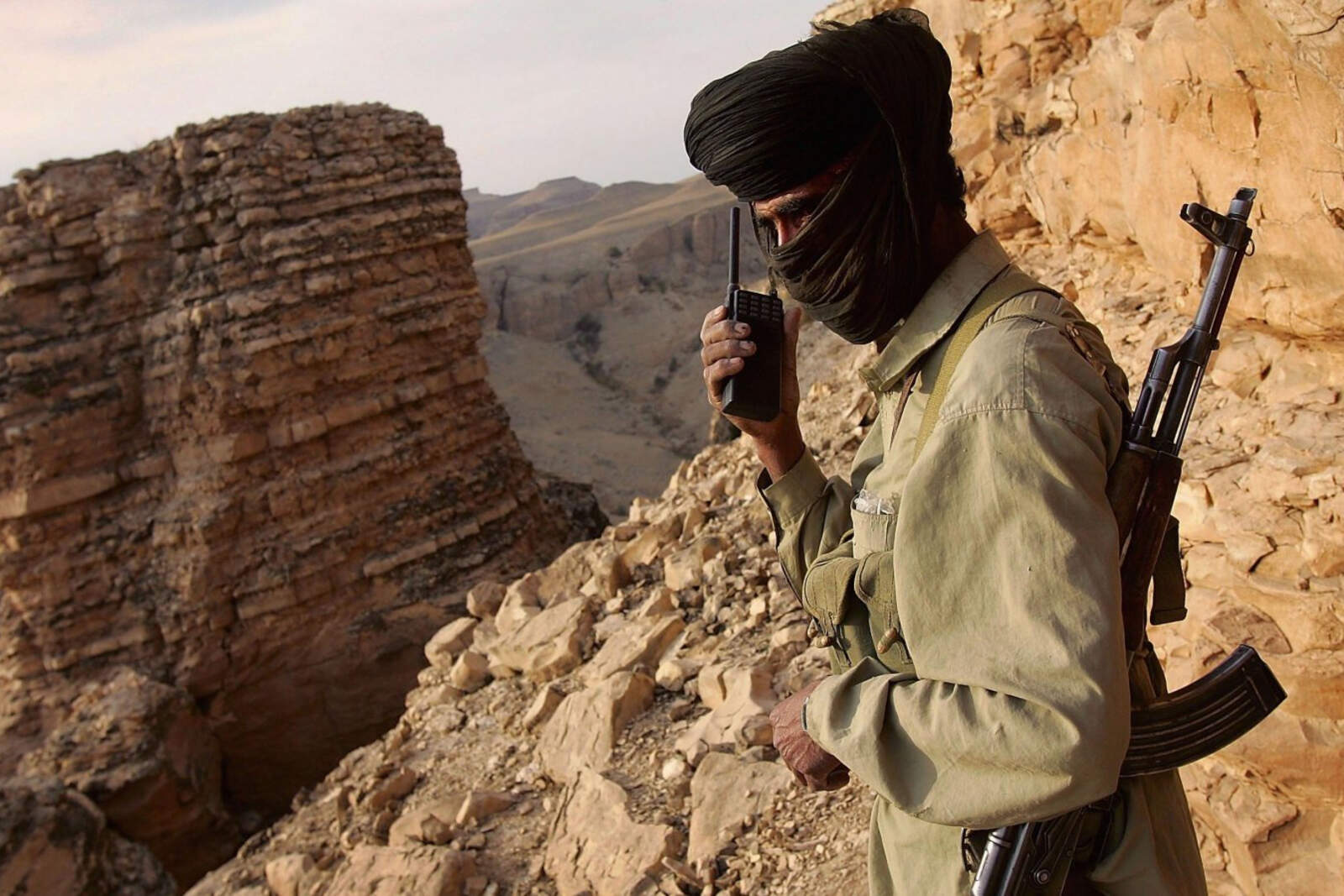
The group Tehreek-e-Taliban Pakistan (TTP), known as the Pakistani Taliban, claimed responsibility for the attack. In a statement, the organization stated that its targets were judges, lawyers, and officials who "enforce laws contrary to Islam," and warned that it will continue its attacks until Sharia is imposed throughout the country.
However, local media reported that a dissident faction of the group, Jumaat Ul Ahrar, also claimed responsibility for the attack, while the central leadership of TTP reportedly denied any involvement, reflecting internal divisions within the extremist movement.
The attack occurred around 12:30 p.m. local time, when the surroundings of the court were crowded with lawyers and citizens attending hearings.
Images shared on social media showed a completely charred vehicle, smoke rising from the area, and a security cordon deployed by the police. Witnesses described scenes of panic and chaos.
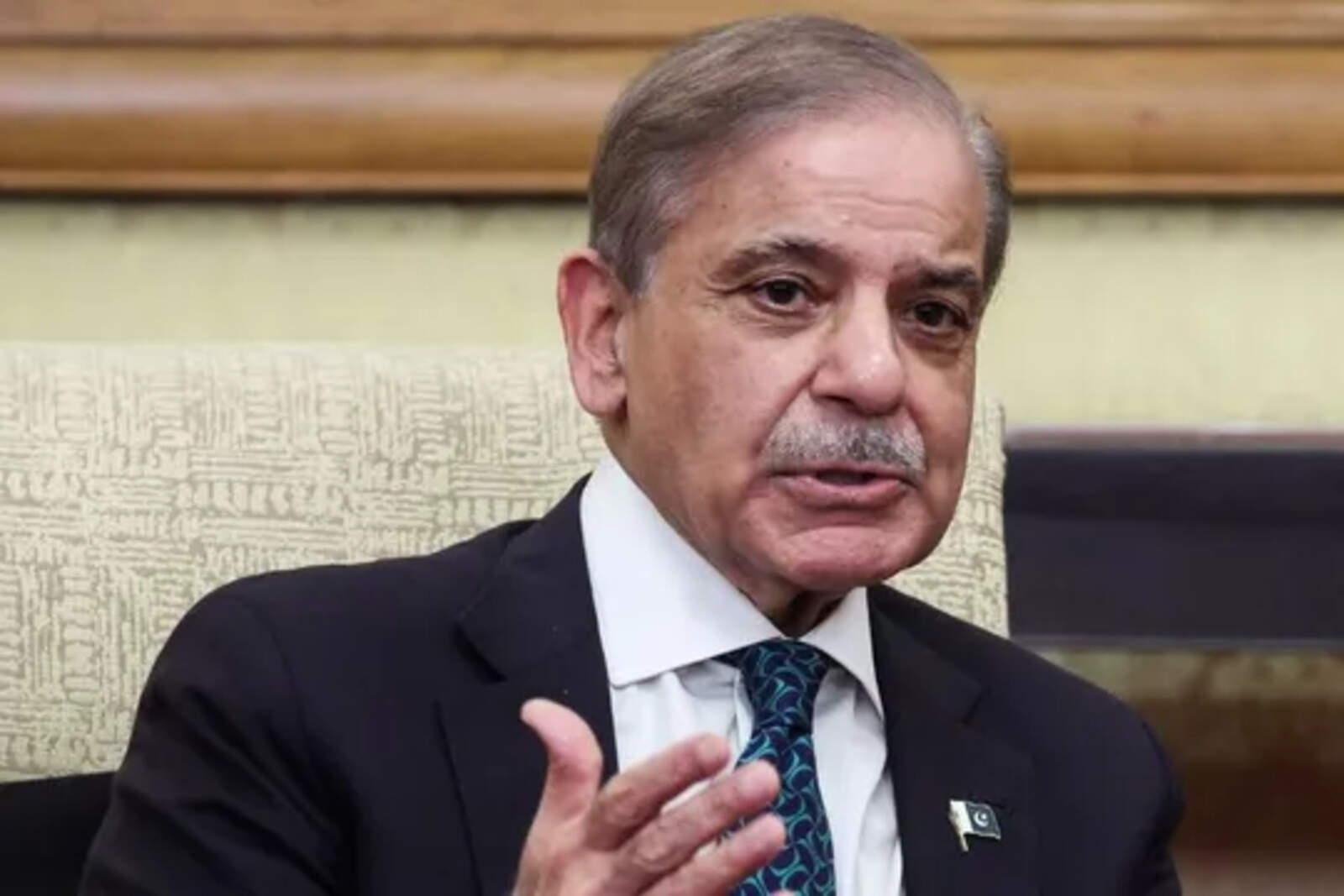
The Prime Minister, Shehbaz Sharif, condemned the attack and assured that his government will pursue those responsible. Sharif accused extremist groups "actively supported by India" of being behind the attack, calling the incident "a terrorist aggression against innocent citizens of Pakistan."
El primer ministro de Pakistán acusó a la India de financiar grupos terroristas islámicos
New Delhi immediately rejected the accusations, calling them "unfounded and baseless." Meanwhile, President Asif Ali Zardari expressed his "strong condemnation" of the attack and called on security forces to redouble efforts to protect the capital.
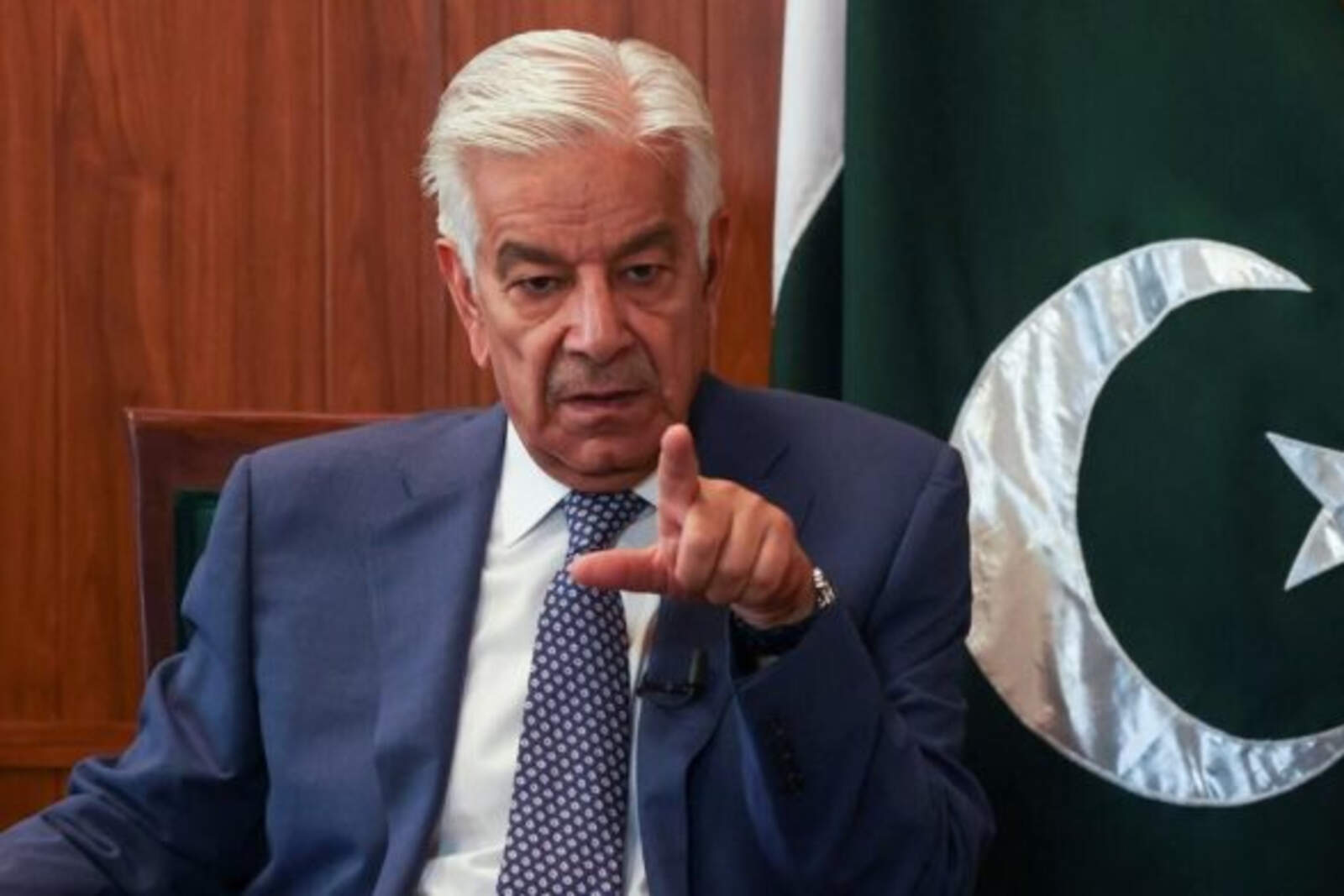
The Defense Minister, Khawaja Asif, described the situation as a "declaration of war" by the extremists. "We are in a state of war. Anyone who thinks the army fights only in the border areas is mistaken: today's attack in Islamabad is a wake-up call," he warned.
Asif acknowledged that the resurgence of terrorism has cast doubt on negotiations with the Taliban government of Afghanistan, which Islamabad accuses of providing shelter and support to TTP fighters. "It would be naive to expect positive results from talks with Kabul in this context," he stated.
El ministro de Defensa de Pakistán declaró que se encuentran en guerra con los grupos extremistas
The Islamabad attack comes amid an alarming surge in extremist violence in Pakistan. So far this year alone, TTP has carried out more than 600 attacks, mainly in Khyber Pakhtunkhwa province, which borders Afghanistan, leaving hundreds dead.
Although the capital had remained relatively safe from attacks in the past three years, Tuesday's explosion shows that the threat has once again spread to the political and judicial heart of the country.
This wave of violence is compounded by the increase in actions by Baloch insurgents, who are fighting for the independence of Balochistan province, on the border with Iran and Afghanistan. The separatists have intensified their attacks in recent months, including the hijacking of a passenger train earlier this year.
El foco independentista en la región de Baluchistán añade tensión a un Pakistán golpeado