His dismissal was overturned, and they ordered the case to proceed for abuse of authority during the world's longest pandemic
Nuevo
Agregar La Derecha Diario en
Compartir:
The Buenos Aires Federal Chamber overturned the dismissal of former president Alberto Fernández, which had benefited him in the case regarding the extension of the quarantine for electoral purposes during the Covid-19 pandemic, considering that the investigation was closed "prematurely" and without exhausting all evidentiary measures.
The ruling, signed by judges Mariano Llorens and Pablo Bertuzzi of Chamber I, ordered the continuation of the investigation for alleged abuse of authority and violation of public official duties, crimes that could be established if it is proven that the imposed restrictions were not based on health criteria but on political convenience.
The court's decision aligns with the position of federal prosecutor Carlos Stornelli, who had appealed the dismissal issued by judge María Servini last June. Stornelli argued that the case was closed without sufficient evidence and that the hypothesis that the prolonged isolation served as a tool for political control "can't be ruled out without a deeper investigation."
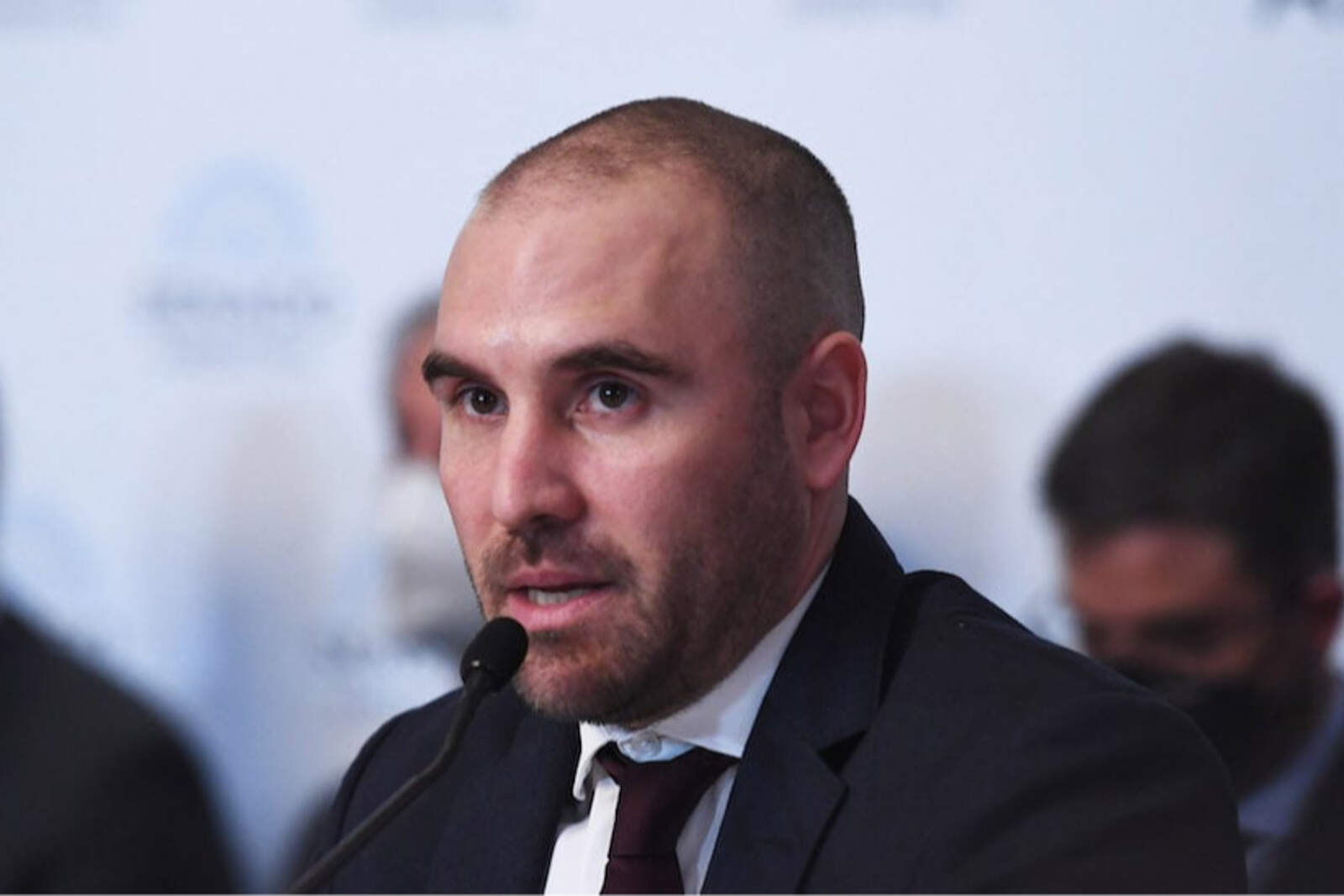
Martin Guzmán, ministro durante la pandemia.
The case originated after statements by former Economy Minister Martín Guzmán, who acknowledged that the quarantine "lasted longer than it should have" and that the Government used it as a "political flag" because the handling of the pandemic strengthened the official image.
Although Guzmán later downplayed his statements, the testimony raised judicial alarms. The prosecutor's office pushed the case to determine whether the then president's decisions were truly based on health recommendations or if they replied to an electoral and communication strategy.
In her previous ruling, judge Servini had considered that there was no crime and that the Necessity and Urgency Decrees (DNU) that imposed the lockdown were endorsed by the Senate. She also argued that there was no "objective and universal" parameter to define when the restrictions ceased to be necessary.
However, the Chamber contradicted that interpretation. The judges noted that the results of studies on "social mood" and management evaluation commissioned by the General Secretariat of the Presidency during the pandemic were not included. According to Stornelli, these surveys could show whether the Executive used public opinion measurements to artificially sustain the quarantine.
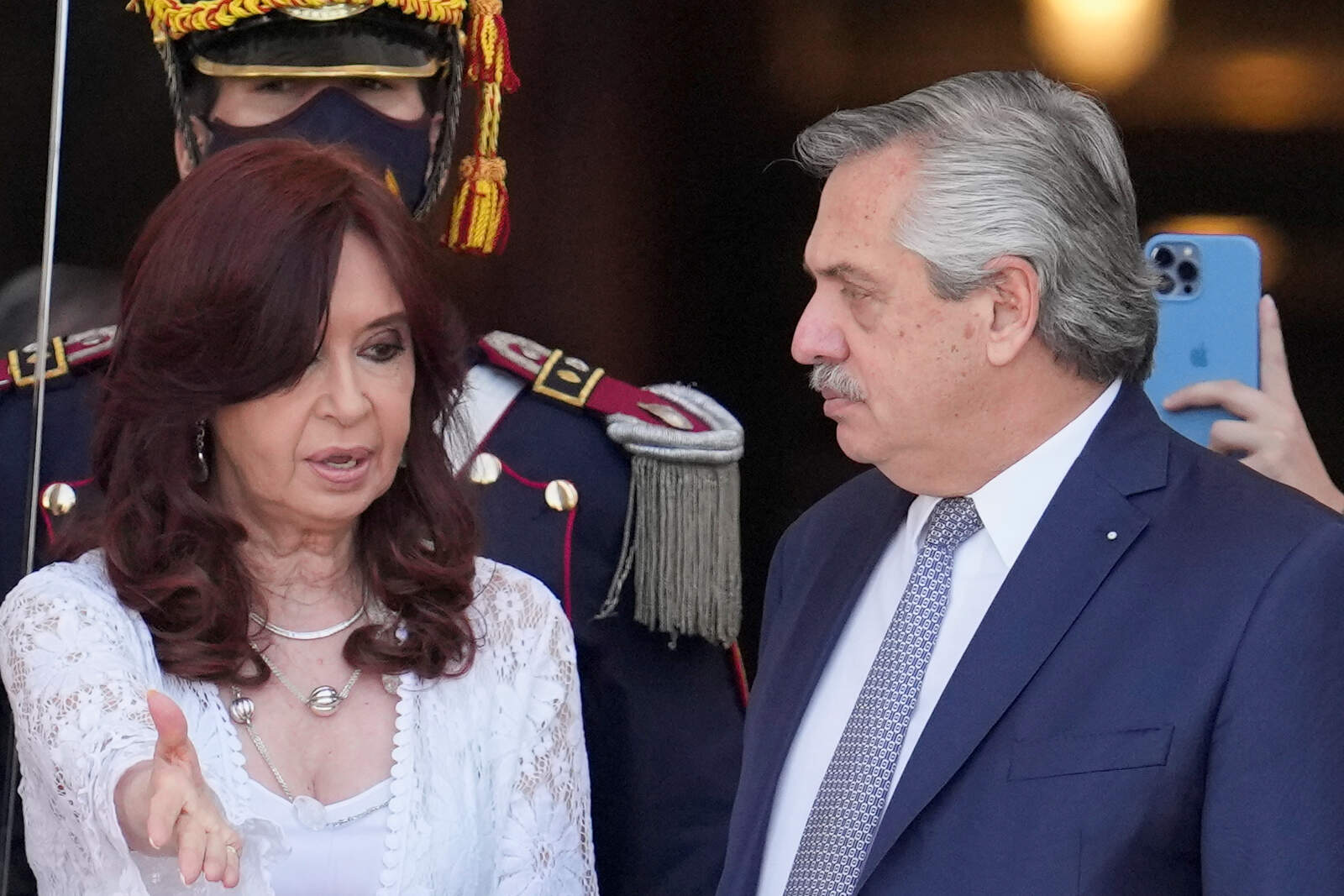
Alberto junto a su condenada vicepresidente, Cristina Kirchner
A regional comparative analysis on the duration of isolation measures in other countries was ordered, in order to determine whether the Kirchner administration extended the lockdown beyond what was necessary. The study seeks to provide an objective parameter to assess the proportionality and reasonableness of the restrictions
The case will return to Servini's office, who must resume the investigation and gather the pending evidence. If it is proven that the extension of the quarantine was due to political and not health motivations, the former president could face criminal proceedings for abuse of authority, in the context of the longest and most controversial health emergency in Argentine history.