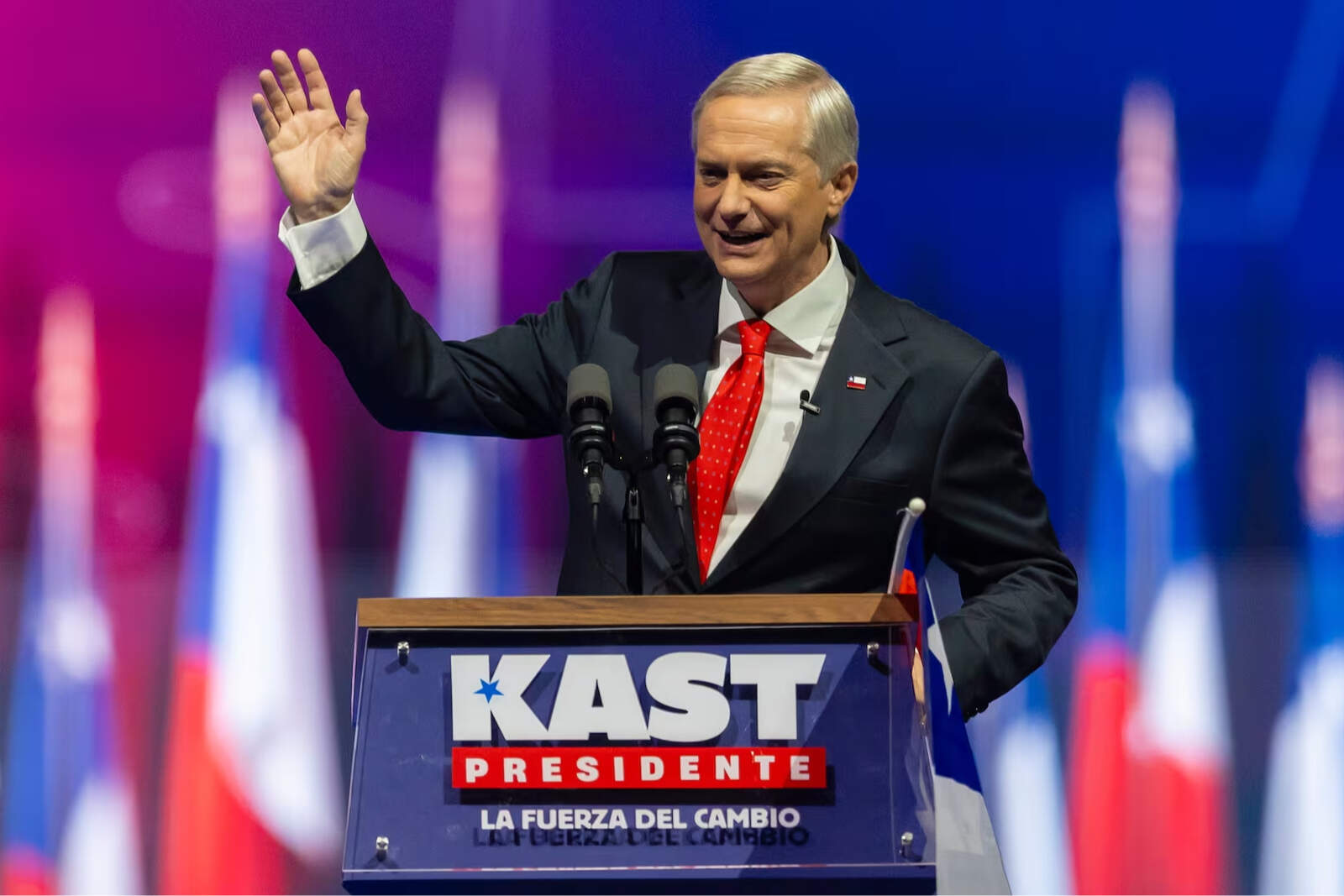

A report prepared by Universidad del Desarrollo (UDD) has once again brought to the forefront a phenomenon that Chilean politics has tried to conceal since election night: the fracture of the vote according to income level. The analysis, titled Communal Voting Patterns in the 2025 Presidential Election, clearly shows that Jeannette Jara's performance fell far short of expectations in the lowest-income municipalities, while José Antonio Kast was the one who achieved the greatest support in working-class sectors.
The data is compelling. Jara, who advanced to the runoff with 26.85% at the national level, obtained just 19.38% in the poorest municipalities. Her performance improves as the average income rises, reaching 25.43% in the areas with the highest purchasing power. This pattern confirms a structural problem for the ruling coalition: a growing disconnect with the sectors it should most represent.

Kast, meanwhile, showed the opposite trend. The Republican Party candidate prevailed with a solid 33.64% in the lowest-income municipalities, surpassing projections that had set a much lower baseline for him. However, his vote share drops noticeably in the highest-income quintile. This way, the electoral map left the left clinging to affluent enclaves and Kast firmly established in working-class sectors, a phenomenon that completely reshapes the traditional narrative of Chilean politics.