The former Director of the British Prosecutor's Office allowed the continuation of child sexual exploitation networks in the United Kingdom during his tenure
For a large part of British society, there is a clear contradiction between the response given to certain expression crimes and the inaction regarding several of the most serious cases of child exploitation and rapes by illegal immigrants in the country.
The publication of new reports on the "Raping Gangs" in the United Kingdom has revived criticism against British Prime Minister, Keir Starmer, for his management as head of the Crown Prosecution Service (CPS) from 2008 to 2013.
During the five years that Starmer was director of the British Prosecutor's Office, authorities did not act with the necessary decisiveness against networks of child sexual exploitation operating in various cities across the country. More than 13,000 Muslim immigrants in the UK were not prosecuted despite committing sexual offenses against girls or white women in the country and instead were only required to apologize to the victims.
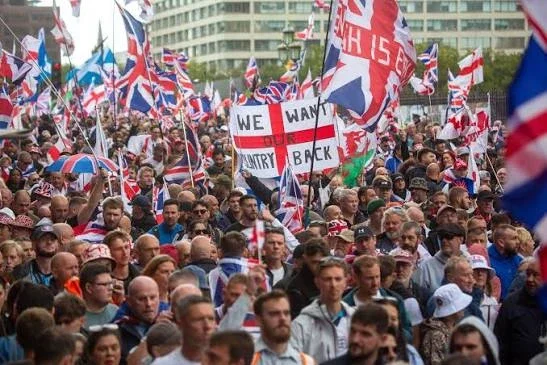
English people protesting against illegal immigration in the United Kingdom
This case demonstrated that, under Starmer's administration, public institutions favored administrative approaches over criminal processes to avoid being labeled as "racist". These allegations are part of a political debate on illegal immigration and the Labour Party that has been dividing British society for years.
The controversy intensifies because many believe that the British state under Labour has shown a much harsher attitude in other areas, including crimes related to social media posts, speech deemed as hate, or public order disturbances.
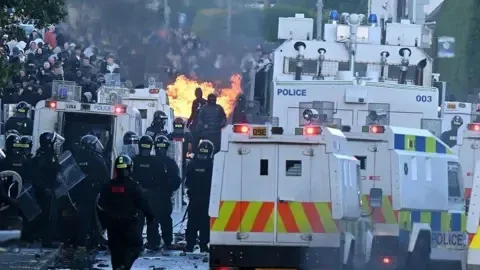
Protests in Belfast over illegal immigration
Moreover, the publication of new reports by members of the Reform UK party has once again placed the issue at the center of the British political debate.
For many citizens, the issue is no longer solely about individual responsibilities, but also about how leftist institutions within the country allowed for years thousands of minors to remain unprotected against exploitation networks operating in various regions of the UK under the ideas of multiculturalism.
The case continues to be one of the deepest wounds in recent British history and continues to generate strong questions about the actions of the authorities responsible for protecting the most vulnerable victims.