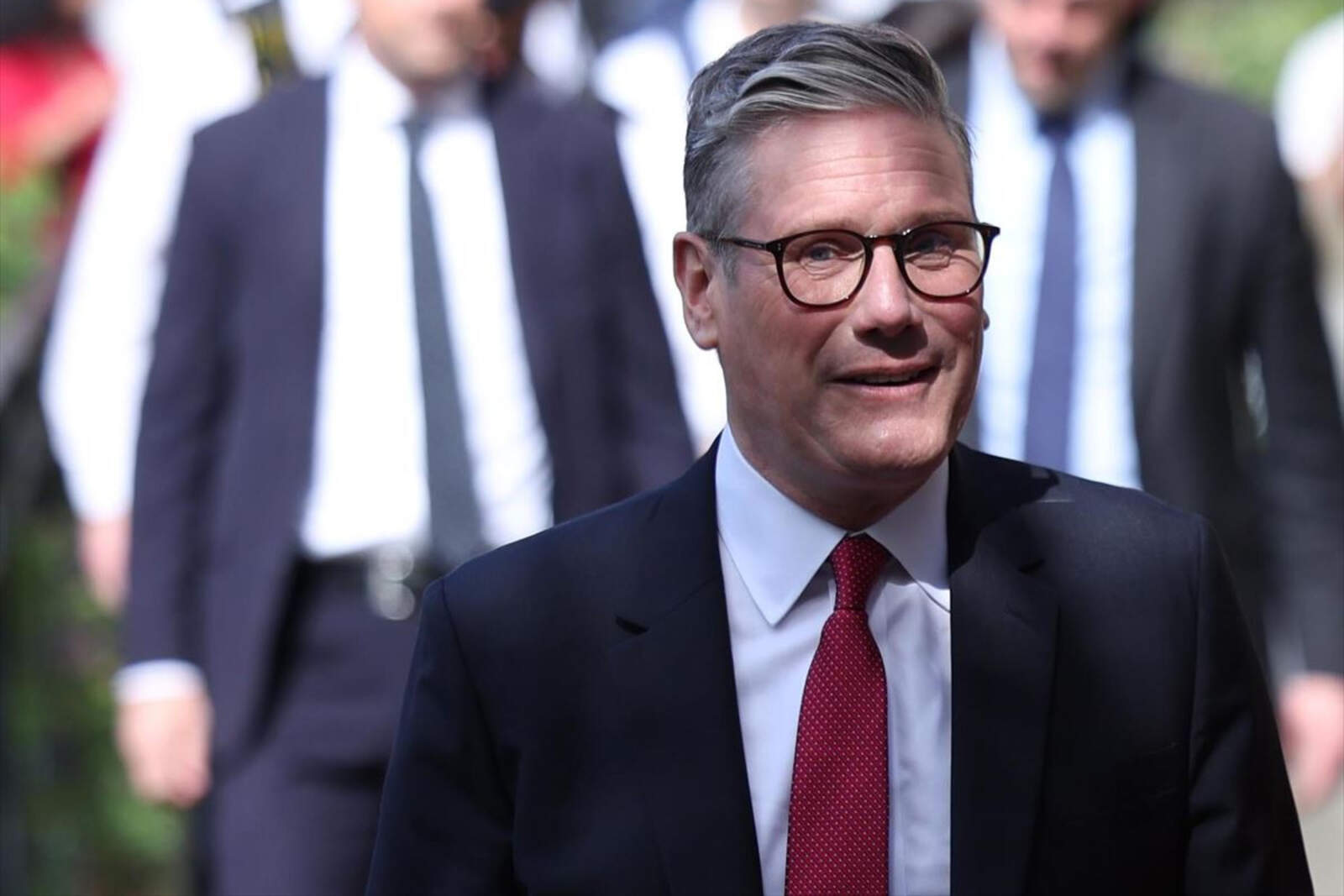
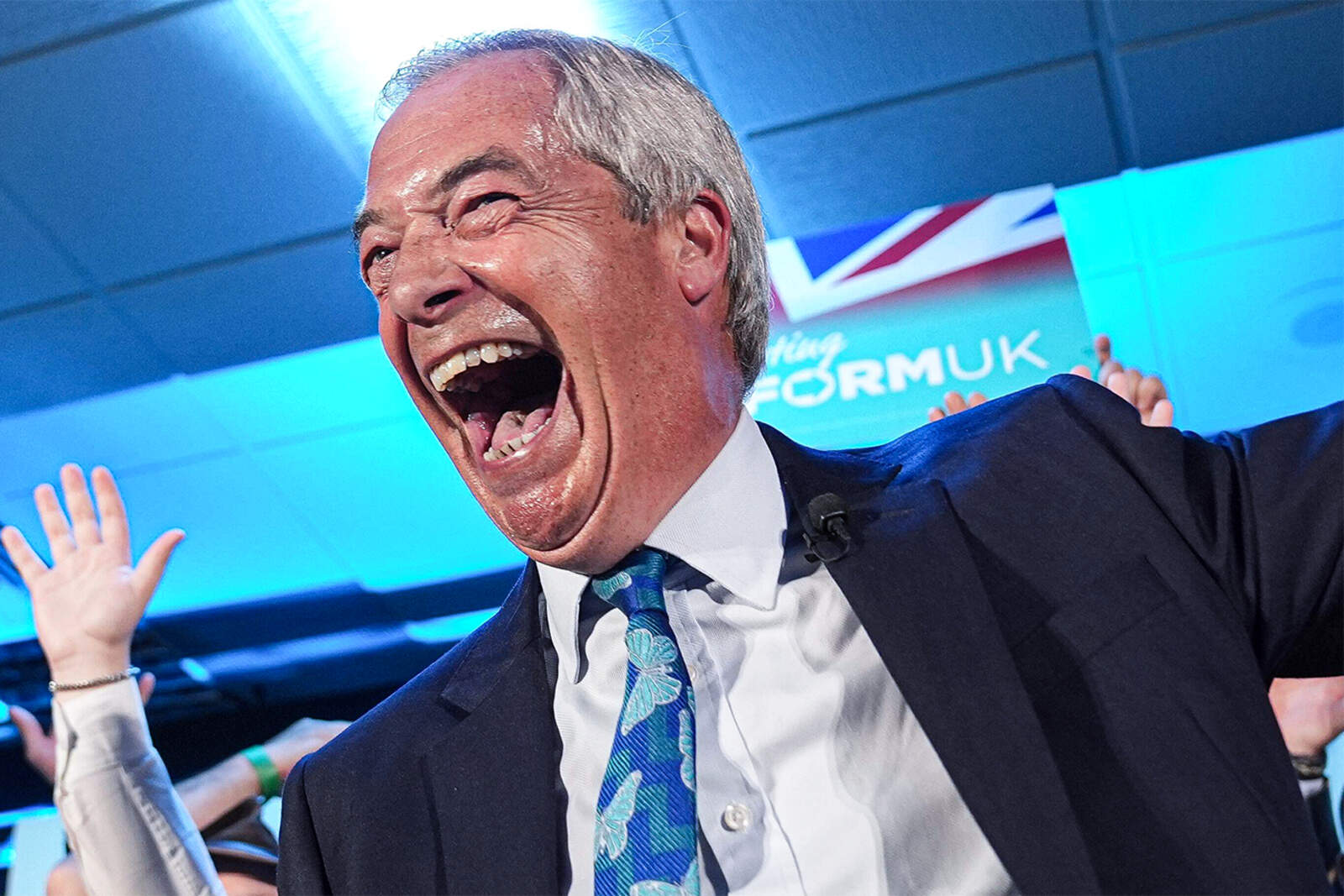
The British Prime Minister, Keir Starmer, presented an ambitious immigration reform aimed at significantly reducing net migration to the United Kingdom over the next four years. This measure responds to the sharp increase in immigration levels after Brexit, which reached a record of 906,000 people in June 2023, and to the growing political pressure following the rise of the Reform UK party, led by Nigel Farage. Starmer stated that the current immigration system was out of control and promised to establish a "selective and fair" system, in which "we decide who enters the country." Although he refused to set a target figure, the Home Office estimates that the proposed measures could reduce immigration by approximately 100,000 people per year until 2029. El crecimiento de líderes como Nigel Farage y la presión de su partido político han sido determinantes para esta reforma Among the most relevant changes are the following:
1. Tightening of language requirements: Dependents of main visa holders will need to demonstrate basic English knowledge. For skilled worker visas, the required level will be raised to "upper intermediate," and those wishing to renew their visas will need to demonstrate language progress.
2. Changes in residency status: Currently, migrants can apply for permanent residency status after five years. Under the new plan, 10 years will be required, although there will be exceptions for "highly skilled contributors," such as doctors and nurses.
3. Elimination of the care sector worker visa: The government will eliminate the visa that allowed health and social care workers to come from abroad. A transition will be allowed until 2028 for those already in the country, but companies will need to hire domestic workers or renew existing visas.
4. New restrictions for student visas: The post-study stay period will be reduced from two years to 18 months. Educational institutions will need to meet stricter thresholds: at least 95% of international students must start their courses, and 90% must complete them.
5. Increase in educational requirements: To obtain a skilled worker visa, at least a university degree will be required, instead of the A-level (equivalent to high school). This measure could make around 180 job roles ineligible.
6. Increase in costs for employers: The immigration skills charge will increase by 32%, meaning that small businesses will pay up to £2,400 per sponsored worker, and large ones up to £6,600.
7. Review of Article 8 of the Human Rights Act (right to family life): Legislation will be introduced to restrict its use in immigration cases, giving Parliament more control over who can remain in the country.
8. Strengthening enforcement and deportations: The Home Office's powers will be expanded to revoke visas and deport those who commit crimes, even if they haven't served a sentence. Priority will be given to cases of violence against women and girls.
9. Humanitarian migration: Special programs for people from Ukraine, Hong Kong, and Afghanistan will be maintained, although their sponsorship schemes will be reviewed. A limited number of refugees will be allowed to apply through qualified employment routes.
10. Digitization and financial control: The use of eVisas will facilitate locating those who overstay their legal stay. Additionally, banks and other financial institutions will be required to deny services to people without legal status and report them to the government.
Keir Starmer defended the measures as necessary to ensure a fair and controlled system, and rejected criticisms claiming that these policies respond to the electoral growth of Reform UK. He stated that "without clear rules, the United Kingdom risks becoming an island of strangers," and that he is prepared to take additional measures if necessary to alleviate pressure on housing and public services. Nevertheless, the reform has provoked mixed reactions:
- From the right, Conservative leader Kemi Badenochdescribed the proposals as "watered-down versions" of Tory policies and advocated for a legally binding limit on migration.
- From the left, figures from the Labor Party like MP Nadia Whittome accused the Prime Minister of replicating the anti-immigrant rhetoric of the far right, while organizations like Care4Calais warned that this type of language could incite racial unrest.
- Business leaders and universities expressed concern about the economic impact of the restrictions, warning that reducing access to foreign talent will affect productivity, especially in sectors like technology and health.
Starmer replied that the increase in migration hasn't contributed to economic growth, and that industries must stop relying on cheap foreign labor and invest in training the British workforce. Miembros del Partido Conservador han criticado la ley por considerarla tardía