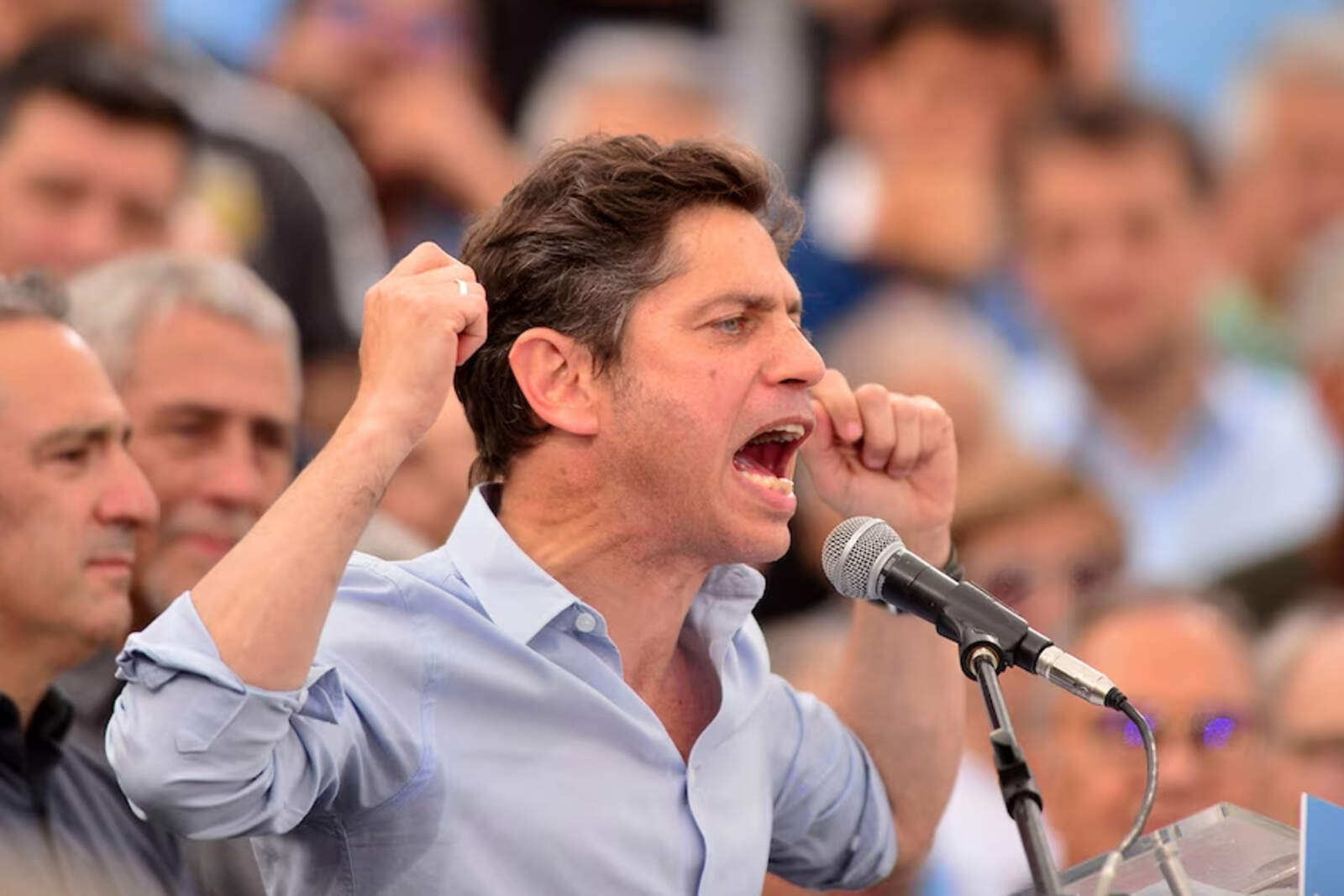
During his speech, Kicillof avoided addressing the alarming security situation facing the province he governs. He dismissed the structural reforms promoted by Milei and criticized Argentina's foreign policy, referring to the recent meeting between Milei and Donald Trump as "a scene of humiliation and national surrender."
The event ended with a call to "fill the ballot boxes with votes" and "return Peronism to the Casa Rosada," on a day that once again demonstrated that Kirchnerism is not willing to renew its leadership or its discourse. Meanwhile, as the judiciary moves forward with corruption cases involving its political leader, Kicillof chose to pay tribute to impunity.
Axel Kicillof, gobernador de Buenos Aires.
With this statement, the governor consolidates himself as the main heir to the Kirchnerist narrative and as the spokesperson for a faction seeking to return to power by championing corruption as a political banner.
Instead of offering solutions to Buenos Aires residents, Kicillof chooses to look to the past, embrace the privileges of old politics, and attack a government that, for the first time in decades, put an end to the systematic plundering of the State.
Axel Kicillof led an event this Friday for Peronist Loyalty Day at the Quinta de San Vicente, where he once again demonstrated his complete alignment with the most hardline Kirchnerism. In a passionate speech, the Buenos Aires governor defended former president Cristina Fernández de Kirchner, claiming that "she is unjustly imprisoned," referring to her conviction for corruption in the Vialidad case.
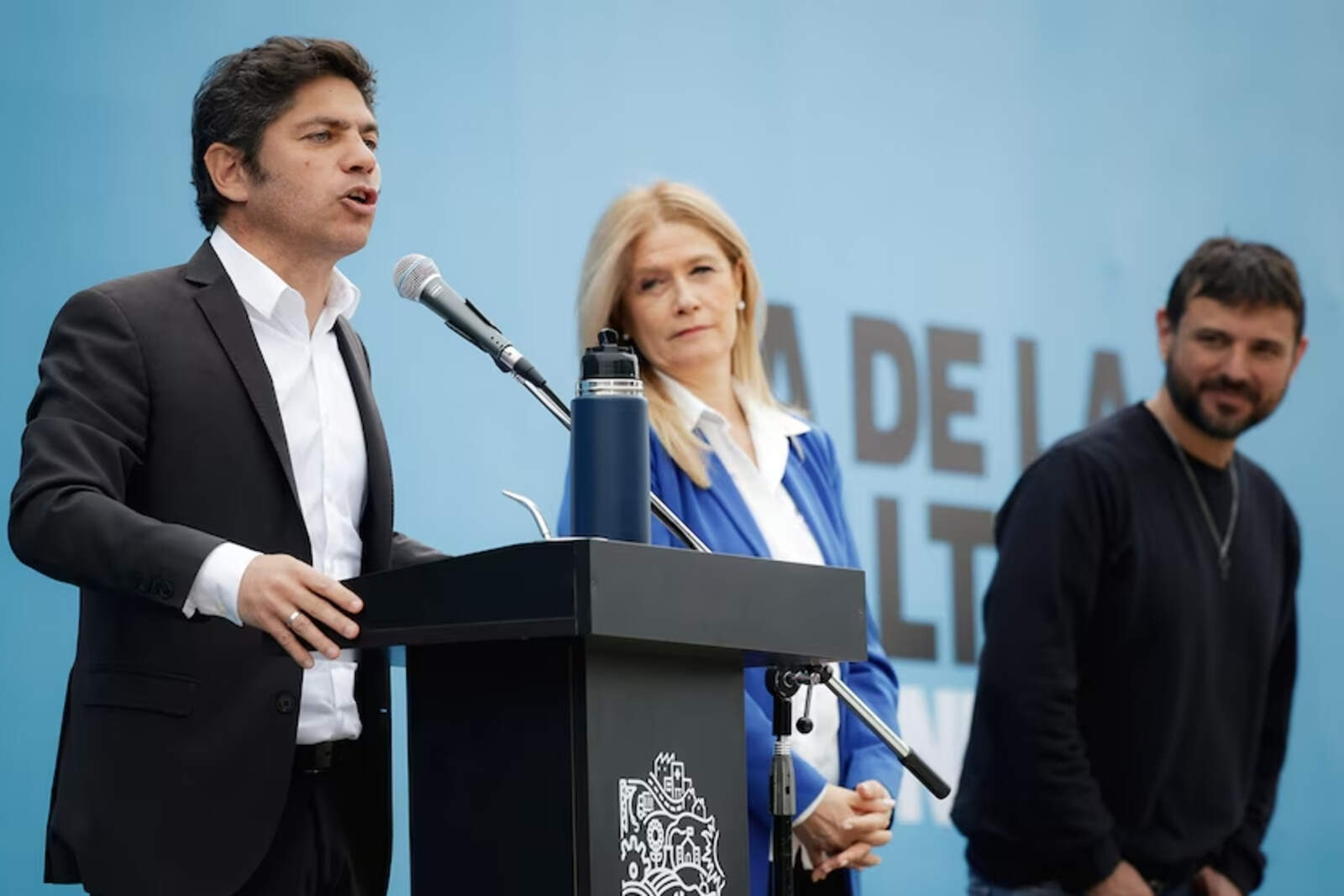
He was accompanied at the event by mayors, union leaders, and Fuerza Patria officials, such as Verónica Magario, Jorge Taiana, and Juan Grabois. "Starting October 26, an alternative must be offered to this insensitive and cruel right and far-right," Kicillof declared, referring to President Javier Milei, whom he blamed for "a social and economic catastrophe."
Kicillof, Magario y Grabois.
Amid flags bearing the images of Perón and Cristina, Kicillof resorted to the old narrative of judicial persecution promoted by Kirchnerism, stating that the former president "is unjustly imprisoned," despite having been sentenced to six years in prison and a lifetime ban from holding public office for steering multimillion-dollar contracts in favor of Lázaro Báez.
The Buenos Aires governor, far from respecting judicial independence, chose to downplay a final verdict, defending the person who represents the greatest symbol of corruption in recent history.