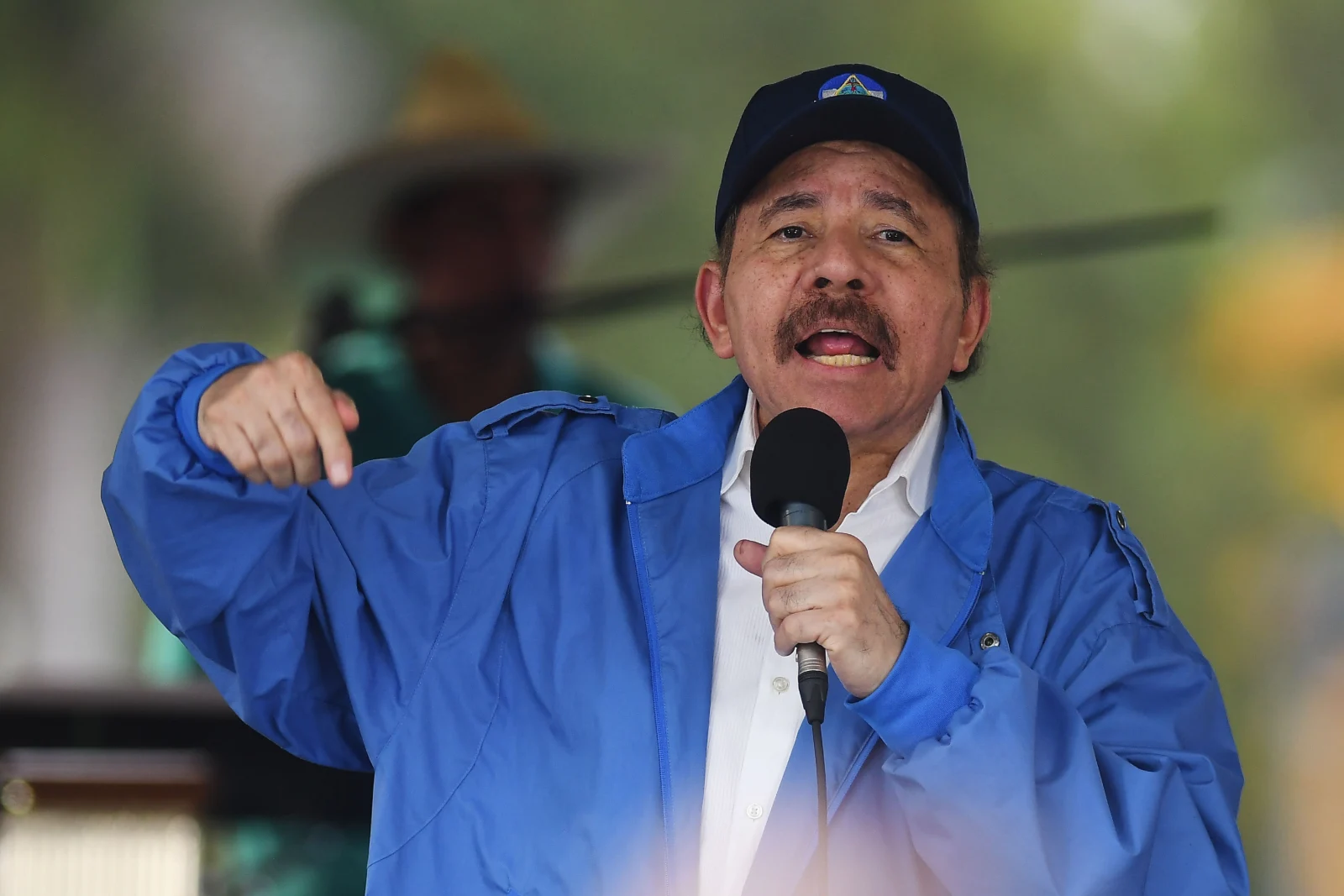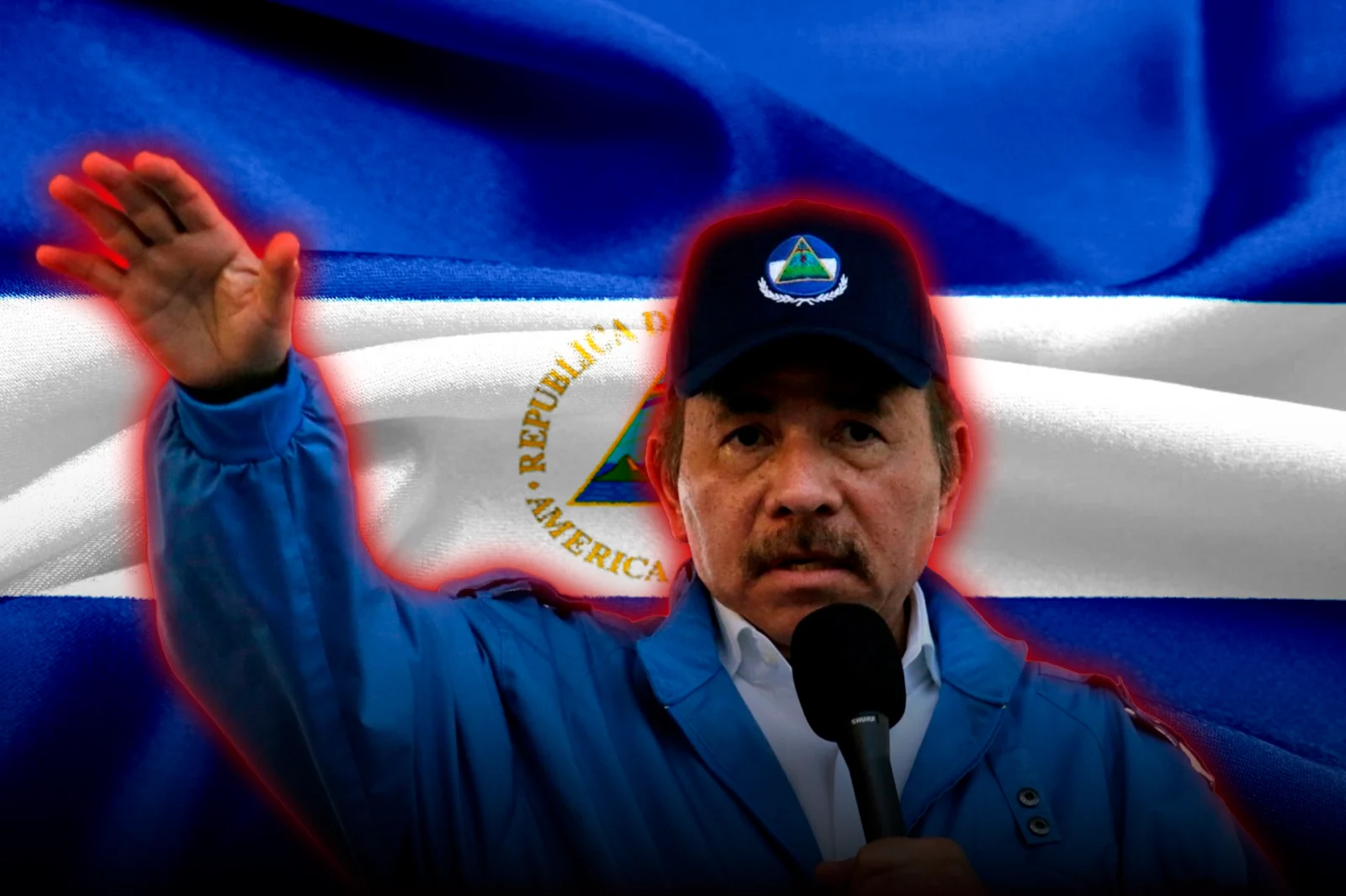











The regime of Daniel Ortega and Rosario Murillo took a new step to consolidate its political control over Nicaragua with a constitutional reform that restricts the participation of opponents in elections and extends the terms of the main public offices from six to seven years. The initiative was approved by the National Assembly, dominated by the ruling Sandinista National Liberation Front (FSLN), and now must pass a second vote to come into effect.
The reform establishes that those who are considered by the regime as ''coup plotters'' or ''traitors to the homeland'' cannot run for elected office, in addition to exiled opponents who have requested military intervention from the United States, supported international sanctions, or participated, according to the authorities, in actions that affect the independence, sovereignty, and self-determination of Nicaragua.
The provision has generated strong criticism because it leaves the definition of who can be excluded from the electoral competition in the hands of the government. This power could also be used to prevent the return of exiled opposition leaders and block the participation of critical sectors of the ruling party in future elections.
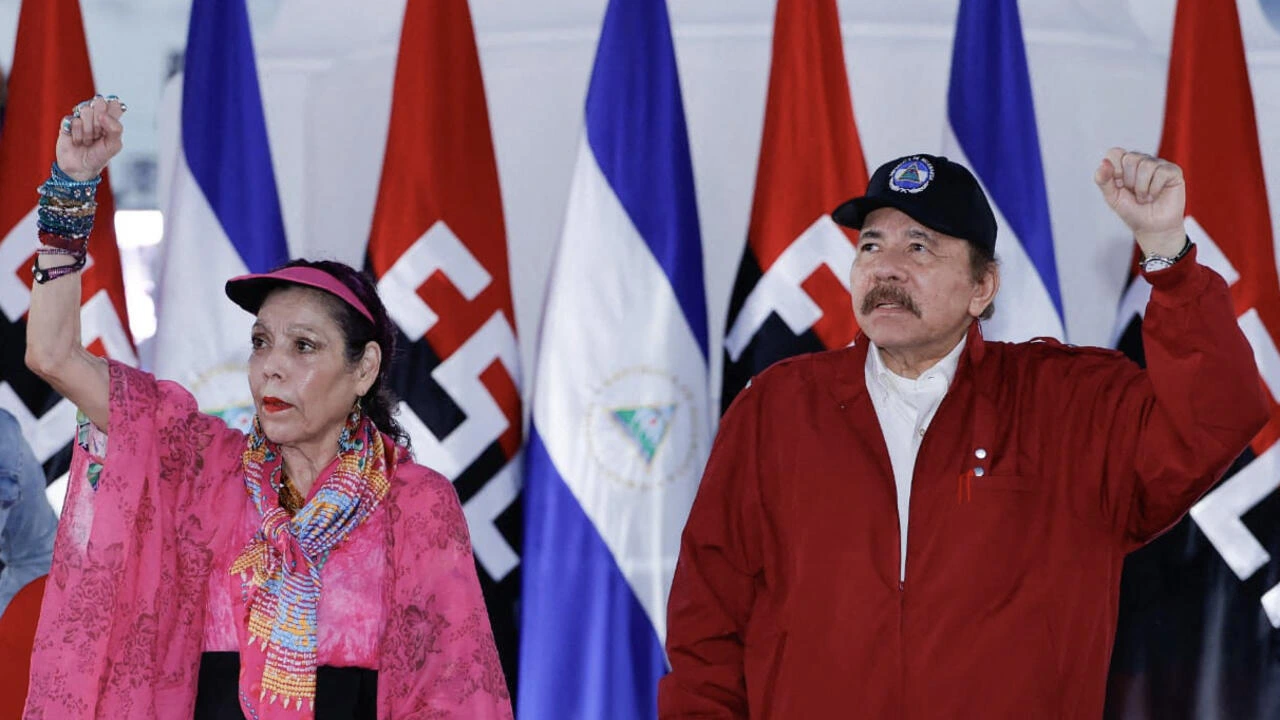
The project also extends the terms of the co-presidents and other officials elected by popular vote from six to seven years. The same extension would apply to the mandates of the heads of the Army and the Police, two fundamental institutions within the Nicaraguan power structure.
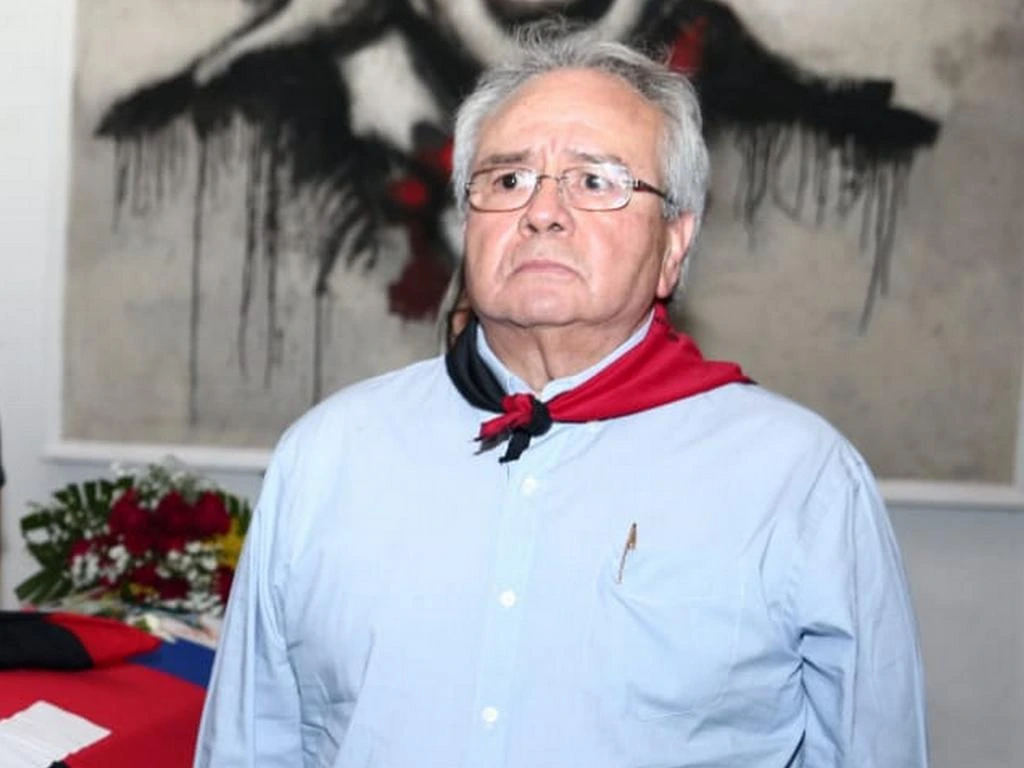
The initiative was presented by Gustavo Porras, parliamentary leader of the FSLN. Porras defended the reform in the name of national sovereignty and accused opposition sectors of seeking foreign support against the government.
The reform will not come into effect immediately. The Nicaraguan Constitution requires that such modifications be approved during two different legislatures. For that reason, the text must be ratified in a second legislature starting January 18, 2027.