It consumes 100 times more than it invoices, keeps 2,700 salaries, and has accumulated two decades without major contracts
Compartir:
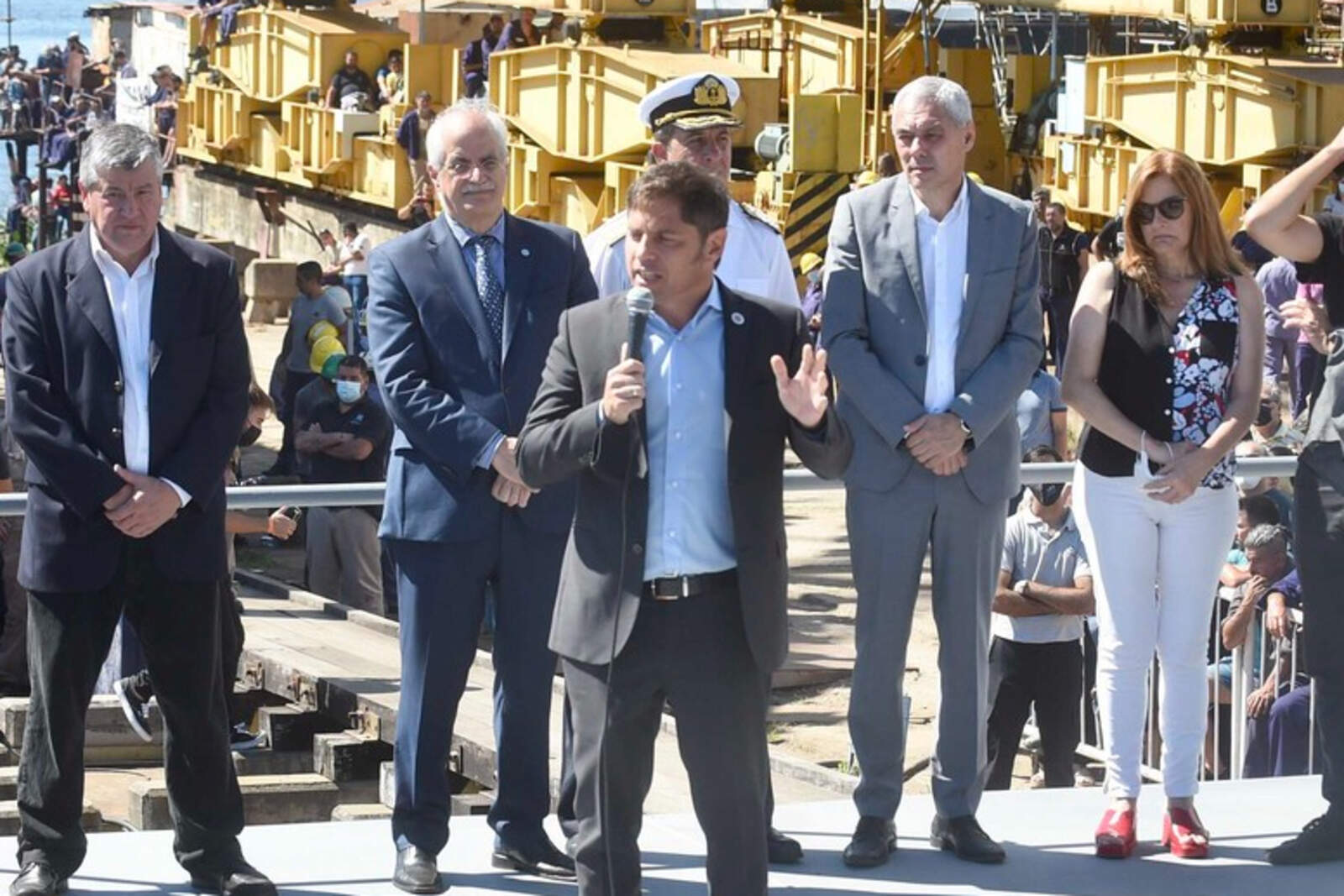
Astillero Río Santiago has once again been exposed as one of the most costly and unproductive symbols of the Buenos Aires provincial government. The 2026 Budget Bill sent by Axel Kicillof confirms that the company will spend $105.175 billion, while it only expects to generate $1.210 billion in revenue. In other words, it collects just 1.15% of what it needs to operate.
The contrast is so stark that even sectors within Peronism itself now acknowledge the problem: a black hole that devours public resources without delivering productive results. This is not a new phenomenon, but it is increasingly difficult to justify in a context where the Province demands sacrifices from taxpayers, small businesses, and private sector workers.
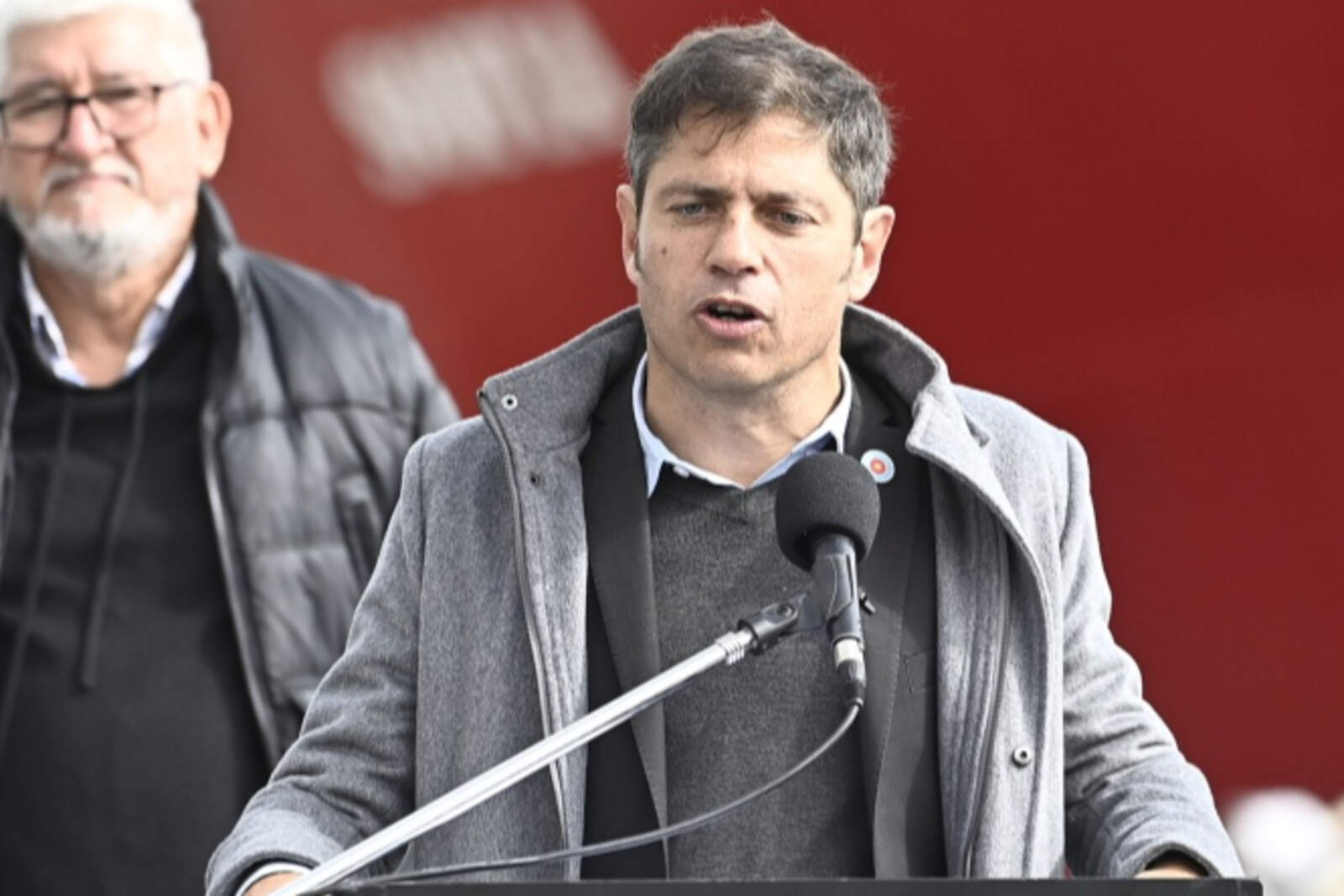
Axel Kicillof.
ARS, founded in 1953 by Juan Domingo Perón, was once one of the largest shipyards in Latin America. Today, 20 years after the last major contract, the reality is different: warehouses unused for two decades, almost zero productivity, and a workforce of 2,700 employees that absorbs 93.5% of the total budget, with an average salary close to $2,800,000.
The former president of the shipyard, Pedro Wasiejko, resigned in September after pressure from ATE, whose internal sector—led by Francisco "Pancho" Benegas—insists on maintaining the total number of workers and guaranteeing the hiring of employees' children whenever a vacancy opens. Wasiejko stated that his departure was hastened by having dismissed nearly 500 workers who simply did not show up.
The facilities operate with three shifts, including night shifts, even though, as acknowledged within the company itself, "there is nothing to do." Even so, the corresponding bonuses are paid. The bureaucratic and union structure makes any attempt at modernization impossible: projects to convert ARS into a corporation or a state-owned company have been shelved.
Meanwhile, comparisons within the Buenos Aires provincial budget show the magnitude of the absurdity. The shipyard will have more resources than the Ministry of Economy, the Ministry of Labor, Agricultural Development, the Cultural Institute, or the Scientific Research Commission. A shipyard without production consumes more than the structure responsible for promoting productive activity throughout the Province.
Axel Kicillof.
From the provincial Ministry of Production, the official defense focused on pointing out that the sector's crisis has persisted since the 1990s and that during María Eugenia Vidal's administration there was an alleged attempt to "discredit" and defund ARS. They also mentioned launches carried out in 2021 and 2022, and negotiations for future ship repairs. However, these explanations clash directly with the hard data: the projected annual revenue is only enough to pay 33 average salaries.
Amid the budget debate, Astillero Río Santiago once again exposes the Kirchnerist model: gigantic state structures, defended by unions that block any reform, with no productivity or oversight, and financed by Buenos Aires residents who do work. A "white elephant" that has become too expensive even for provincial politics itself.