
Kim Jong-un closed the Swiss diplomatic mission in North Korea just a month after opening it

Kim Jong-un closed the Swiss diplomatic mission in North Korea just a month after opening it

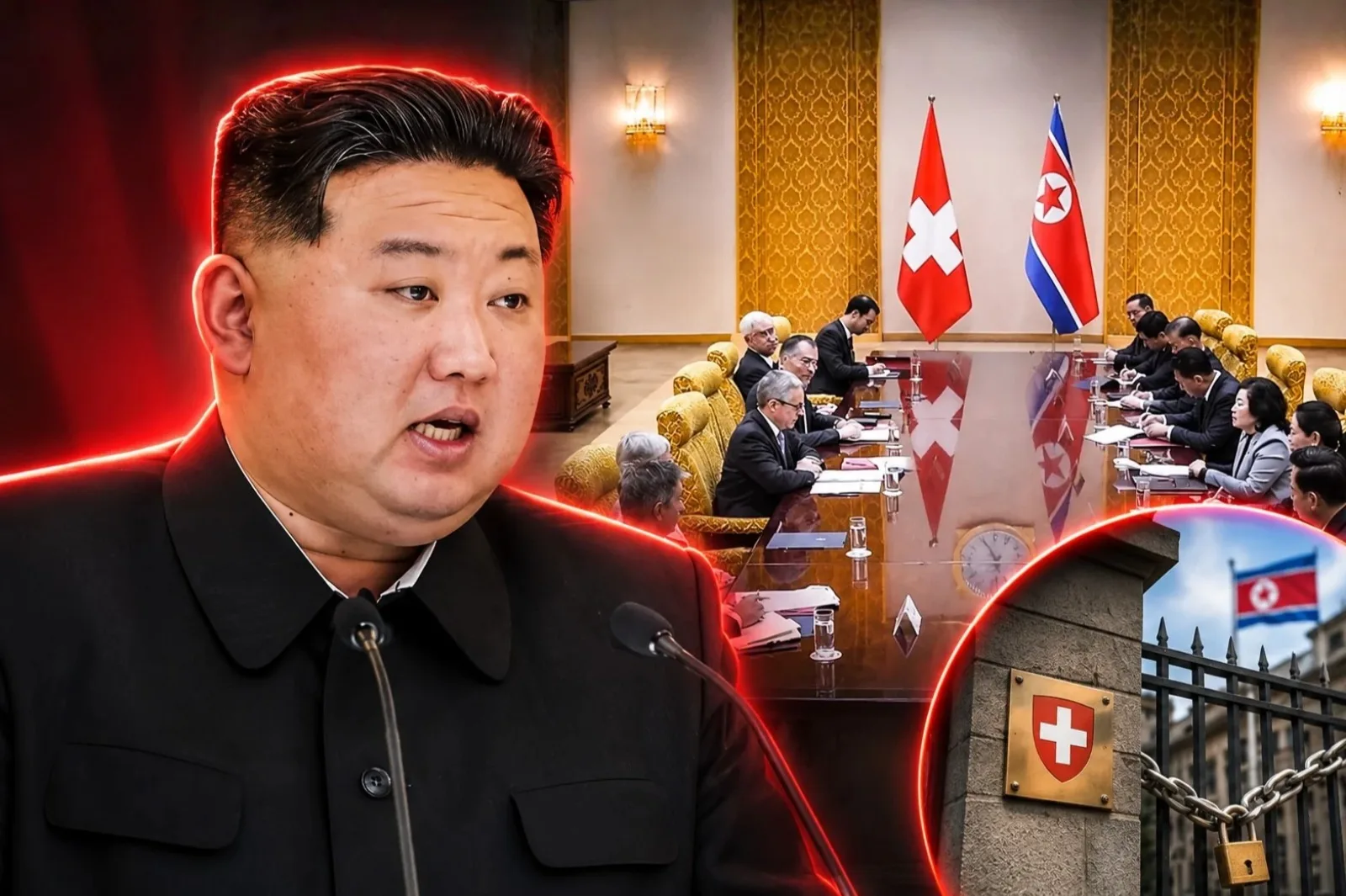
The regime of Kim Jong-un ordered the closure of the Swiss diplomatic office in Pyongyang and declared its head persona non grata, giving him 48 hours to leave the country

Share:

The diplomatic presence of Switzerland in North Korea lasted only a month. The regime of Kim Jong-un ordered the closure of its office in Pyongyang and expelled the head of the Swiss representation, in a diplomatic escalation provoked by the sanctions imposed by Bern against a North Korean institution.

The decision was communicated this Wednesday, November 25, by the North Korean Ministry of Foreign Affairs, which declared the head of the Swiss legation, Astier Silbein, persona non grata and gave him a deadline of just 48 hours to leave the territory.

The episode represents a new example of the international isolation of the communist regime of North Korea, which responded with a diplomatic expulsion to measures taken by a European government against an institution accused of its alleged involvement in the forced deportation of Ukrainian minors.

North Korea expelled the Swiss diplomat and closed its office

According to the North Korean state agency KCNA, Park Hyun Soo, director of the European Affairs Department of the Ministry of Foreign Affairs, summoned Silbein and handed him a memorandum with the authorities' decision.

The document demanded his immediate departure from the country and communicated the closure and sealing of the diplomatic facilities.

Pyongyang justified the measure by accusing the Swiss authorities of developing "illegal hostile actions" and stated that it would not tolerate decisions that, according to its interpretation, violate the sovereignty of North Korea.

The regime asserted that "acts that violate the sovereign rights of the Democratic People's Republic of Korea and the interests of its citizens can never be welcome."

The measure came just one day after Kim Yo Jong, sister of dictator Kim Jong-un, threatened with consequences for the sanctions approved by Switzerland.

The official had described Bern's measures as an openly hostile and shameful act, and argued that the Swiss representation had lost any justification to remain in the country.

The Swiss sanctions that triggered Kim Jong-un's retaliation
The Swiss sanctions that triggered Kim Jong-un's retaliation

The diplomatic conflict began after Switzerland imposed sanctions against the International Children's Camp of Songdowon, a North Korean institution accused of its alleged connection to the forced deportation of Ukrainian minors.


The decision by Bern is part of the international measures adopted against structures linked to the Russian occupation of Ukraine and the transfer of children from war-affected territories.

For the Swiss government, the sanctions respond to the need to hold accountable those who may have participated in those operations.

However, Pyongyang rejected the accusations and turned the economic and diplomatic measures into the argument to justify the expulsion of the European representative.

The North Korean reaction highlighted the regime's little tolerance for international sanctions and external criticism, even when they come from countries that maintain open diplomatic channels with its government.

Switzerland had reopened its diplomatic office just a month earlier

The decision is particularly significant because the Swiss representation had resumed its activities in Pyongyang in October 2026.

Switzerland had reopened its diplomatic office just a month earlier

The reopening occurred after the Swiss Foreign Minister, Ignazio Cassis, traveled to North Korea to inaugurate the facilities and promote dialogue and bilateral cooperation.

The goal of Bern was to regain an institutional presence that had been interrupted for several years due to the health restrictions imposed during the coronavirus pandemic.

Switzerland and North Korea established diplomatic relations in 1974. Although Bern had never maintained a formal embassy in the North Korean capital, it did operate a humanitarian cooperation office from 1997 to 2020.

The reopening in October aimed to recover that communication channel with one of the most secretive regimes in the world. However, Kim Jong-un's decision ended that diplomatic initiative just 30 days later.

The expulsion of Silbein and the closure of the facilities again highlight the difficulties in maintaining diplomatic relations with Pyongyang when its authorities consider that the decisions of other countries constitute a threat to their interests.