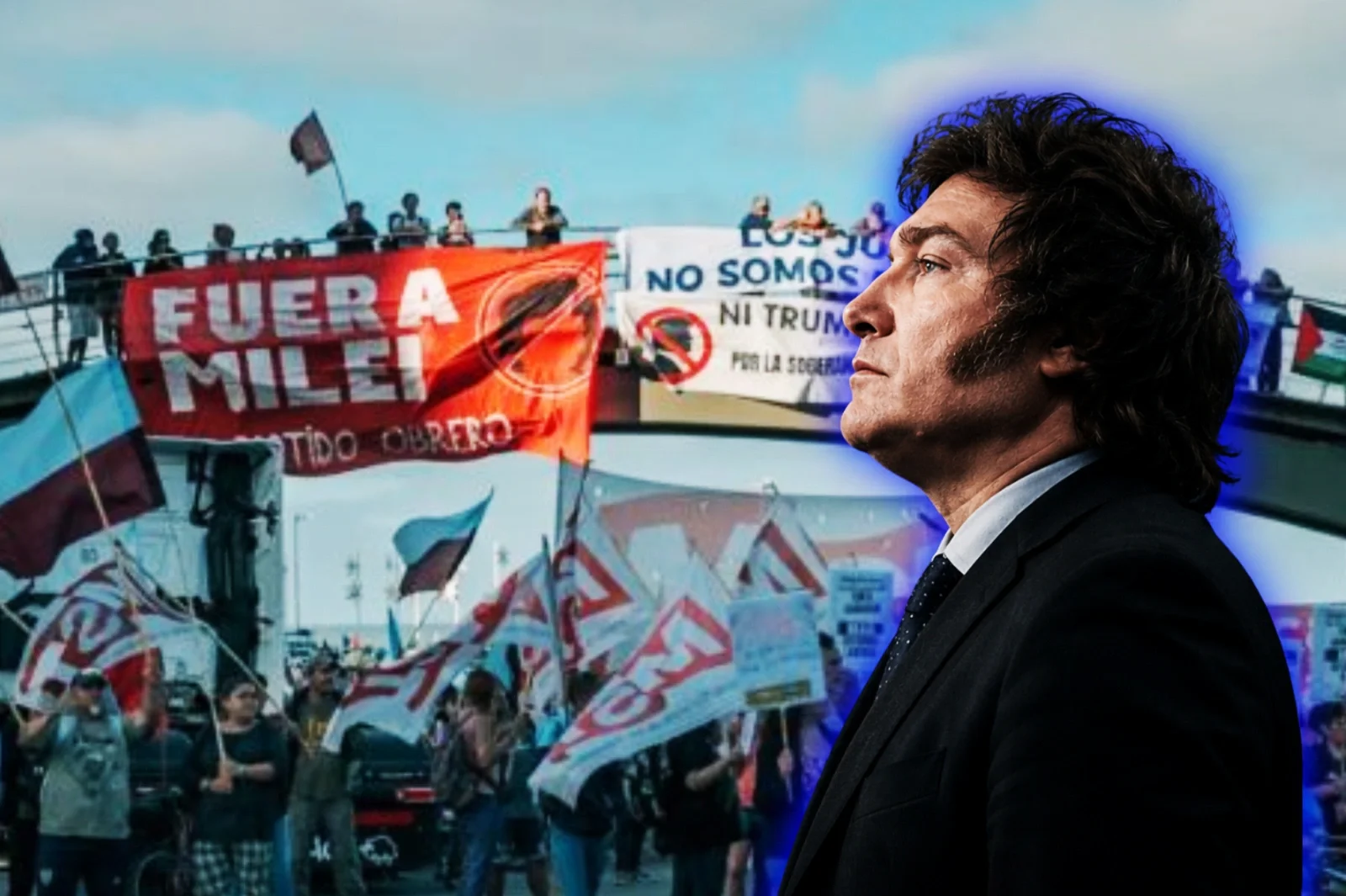
In a context of improvement in key economic indicators, leftist social and piquetero organizations decided to move forward with a staggered protest plan against the government of Javier Milei, which includes roadblocks and the possibility of a general strike before the end of the year.
The decision comes alongside the publication of official data showing a recovery in purchasing power and growth in economic activity.
In April 2026, wages recorded a 3.7% increase, above the monthly inflation rate of 2.6%, which implied a rise in real wages and ended a series of consecutive declines caused by uncertainty and the "Kuka Risk" during the 2025 elections.
Picketing groups
At the same time, the Gross Domestic Product (GDP) grew by 2.3% in the first quarter compared to the previous year, with a seasonally adjusted expansion of 0.7%.
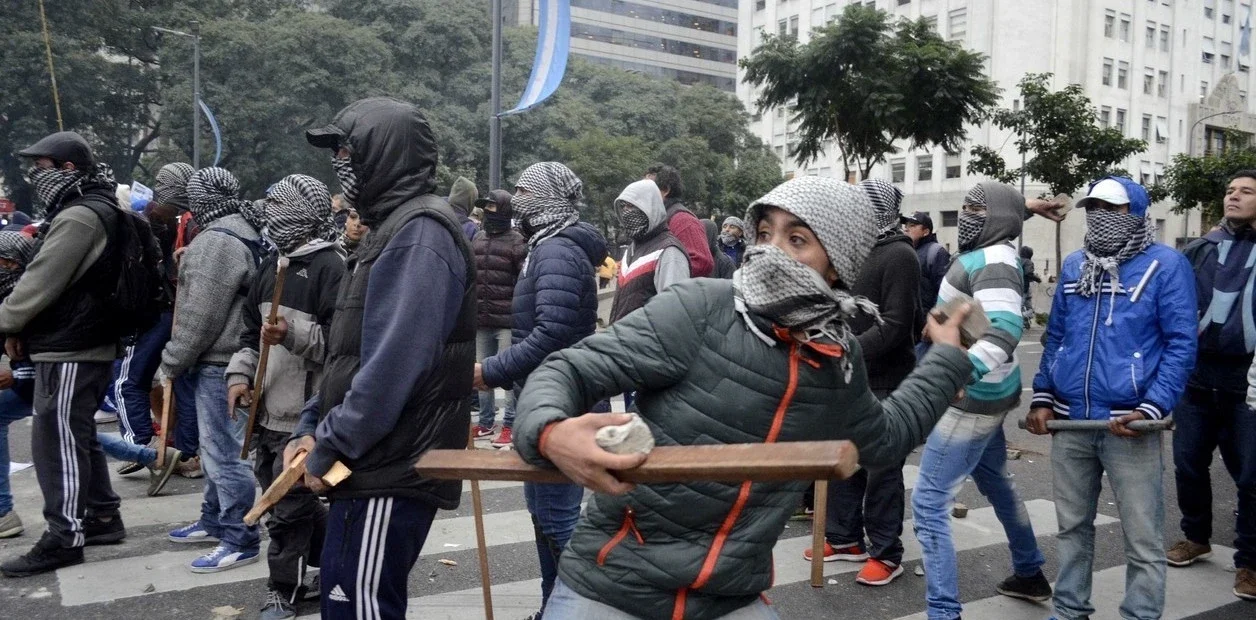
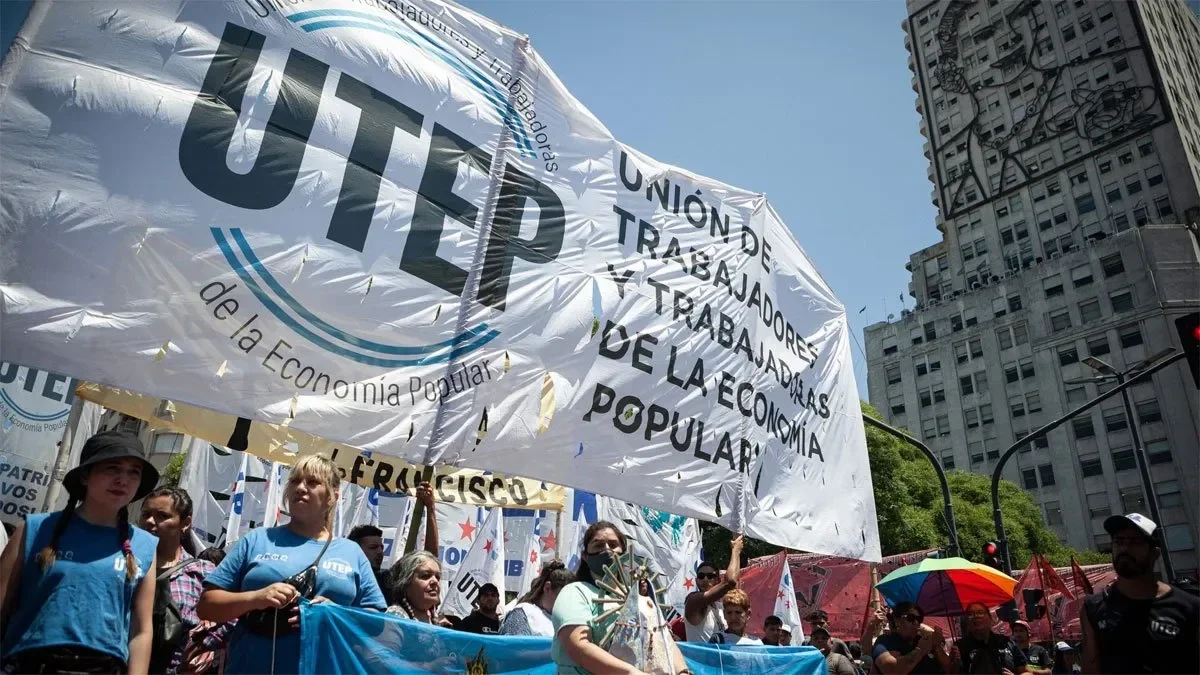
Despite this scenario, the Union of Workers of the Popular Economy (UTEP), along with the Piquetero Block and Territories in Struggle, decided in assemblies held on June 9 to advance with violent measures of force.
The assemblies took place in front of the offices of the Ministry of Labor in various parts of the country, under the slogan “Work without pay is slavery.” In this context, the general secretary of UTEP, Alejandro Gramajo, described the situation as “a overflowing social emergency,” despite the recent indicators reflecting a clear economic recovery.
Picketing groups
The action plan is not limited to social organizations. In parallel, a collaboration with labor sectors began to take shape.
On June 18, at the CGT headquarters on Azopardo 800, union leaders received representatives from UTEP and the heads of the two CTAs, Hugo Yasky and Hugo Godoy, along with various confederations and unions.
From that meeting emerged the intention to build a “sustained and staggered” struggle plan, with participation from multiple sectors. However, within the CGT itself, differences arose regarding the speed of the measures: while some leaders prefer a gradual approach, others, such as Roberto Baradel and Daniel Catalano, are pushing to accelerate protests in public spaces.
From UTEP, the strategy aims for a march that will travel through different provinces over several weeks and conclude at an emblematic point, with the goal of culminating in a general strike before the end of the year, causing severe economic damage to the country, businesses, and workers.