
On December 30 of that year, the General Assembly approved a regular budget of USD 3.45 billion for 2026. The figure represented a 15% reduction in available resources and was accompanied by a nearly 19% decrease in the number of jobs.
Jeff Bartos, U.S. representative for UN management and reform issues, then celebrated the approval of a "more austere and better prioritized" budget. He also called for the organization to present new proposals to deepen changes during the budgetary exercises of 2027 and 2028.
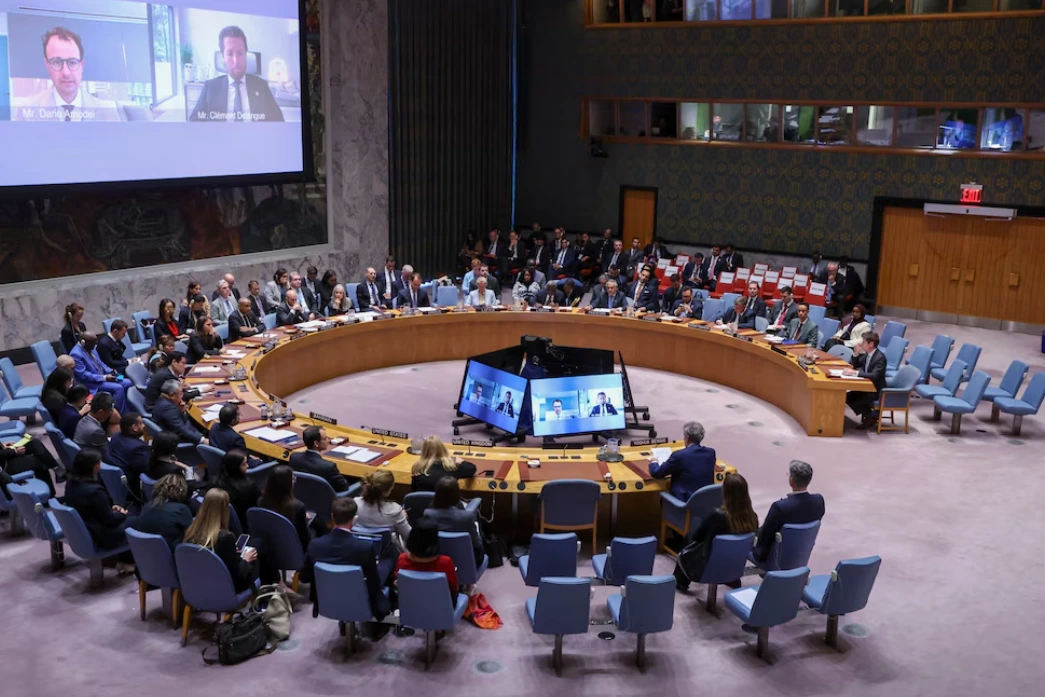
The discussion continued on October 13, when Guterres presented a budget proposal of USD 3.3 billion for 2027, a 1.2% decrease from the amount approved for the previous year. During his presentation before the Fifth Committee of the General Assembly, responsible for administrative and budgetary matters, the Secretary-General defended the organization's continuity by stating that "the need for the United Nations has never been greater."
The United States seeks to influence the election of Guterres' successor
Institutional reform will also play a central role in the election of the next Secretary-General. The procedure requires the approval of the Security Council and cannot proceed if any of its five permanent members exercises its veto power.
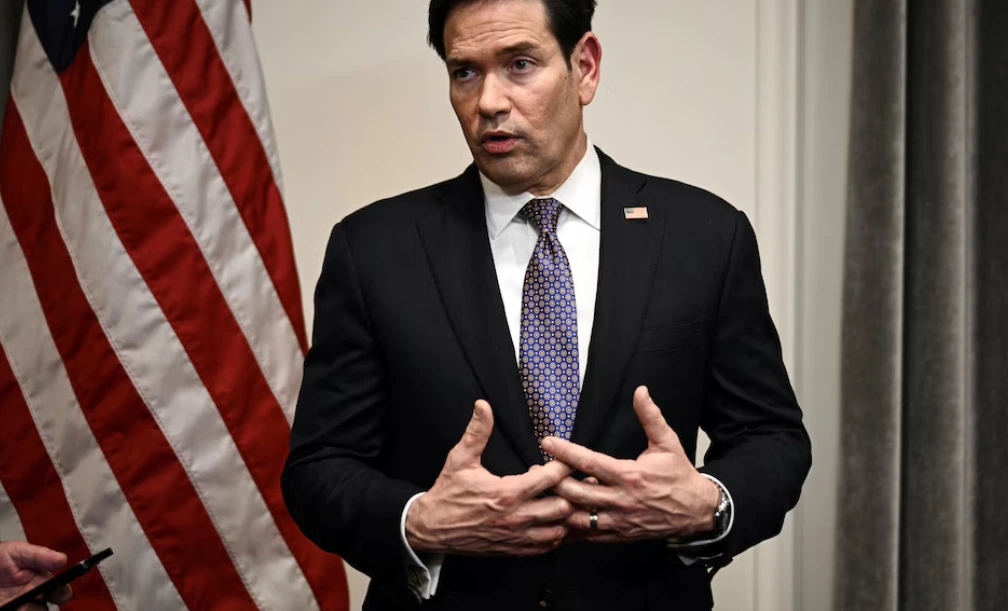
Rubio confirmed that Washington views "two or three" candidates favorably, although he avoided revealing their identities. The official explained that making those names public could jeopardize their chances of gaining the necessary support.
"If I told you who the United States wants, I would condemn them to lose," he stated.
In the last informal vote of the Security Council, held on November 5, Costa Rican Rebeca Grynspan received 12 encouraging votes, while Argentine Rafael Grossi, current director of the International Atomic Energy Agency, received nine.
The decision on the next head of the United Nations will take place alongside budget negotiations. The Fifth Committee must approve the budget for 2027 before the end of December.
Rubio's stance anticipates that the United States will maintain pressure for the organization to reduce its spending, review its priorities, and demonstrate concrete results. For the Trump Administration, the next Secretary-General must not only manage the United Nations but also lead a transformation that Washington considers necessary to justify its functioning and the financing from its main contributors.