The company confirmed two distribution centers in Villa María and Río Cuarto to strengthen provincial logistics
Compartir:
Mercado Libre has confirmed the installation of two distribution centers in the provincial interior, marking its operational return after closing offices in the capital. The decision represents a renewed commitment to Córdoba following the tax dispute that forced the company to reorganize its local presence. The company has announced that the project will generate direct and indirect employment, with effects throughout the regional logistics chain.
The chosen locations will be Río Cuarto and Villa María, cities with strategic access to road corridors that facilitate fast product delivery. The company plans to improve shipping times and add infrastructure to meet the growing demand in the center of the country. These are last-mile facilities, designed to process same-day shipments within key areas of the province.
Official sources have confirmed that the company has begun applications to access benefits provided by the knowledge promotion law. The application includes the possibility of obtaining tax advantages related to technological and logistics activities. The procedures are under review and follow a model already used by other companies in the sector.
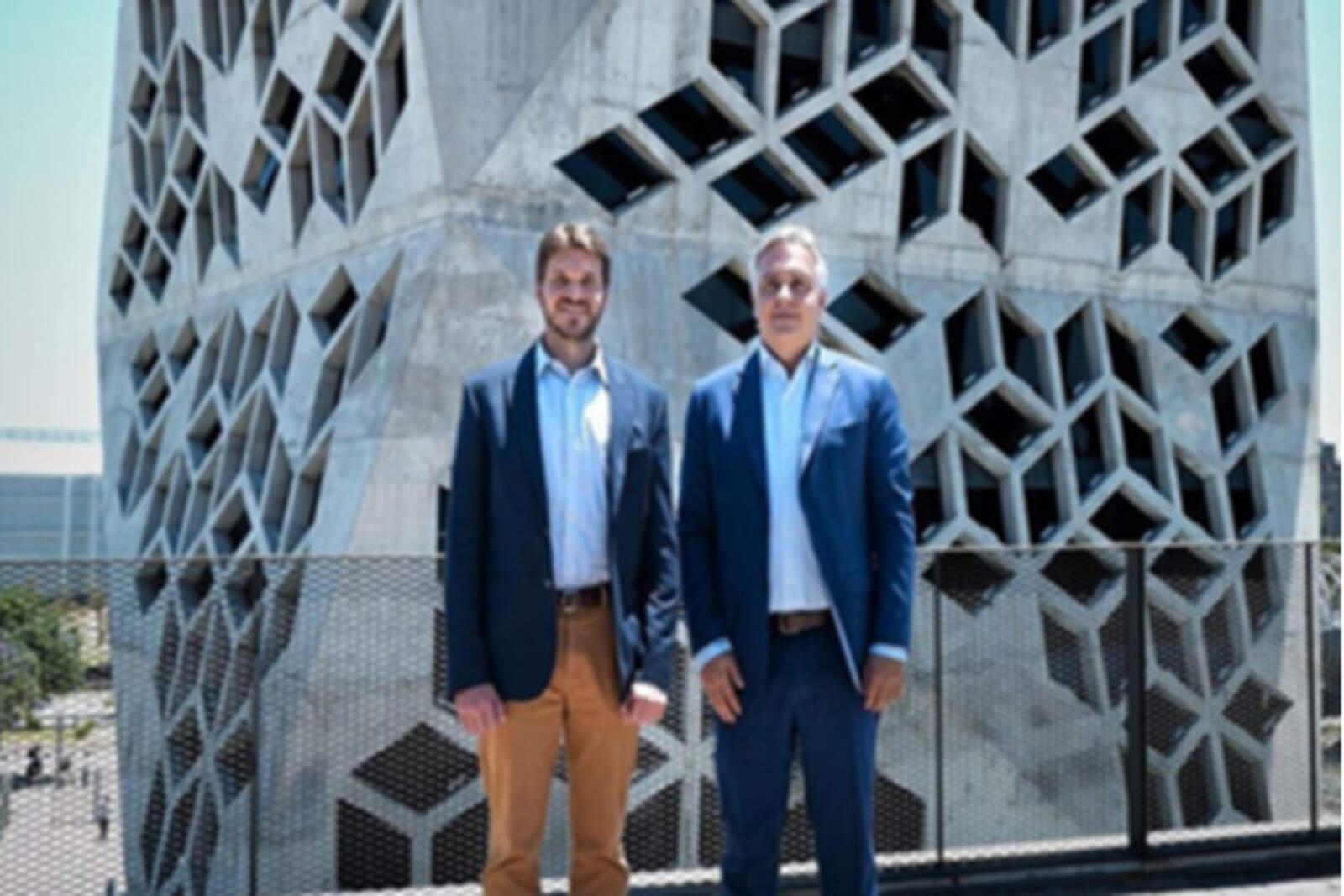
Martín Llaryora recibió al vicepresidente de Mercado Libre Argentina, Adrián Ecker
Agreement with the provincial government
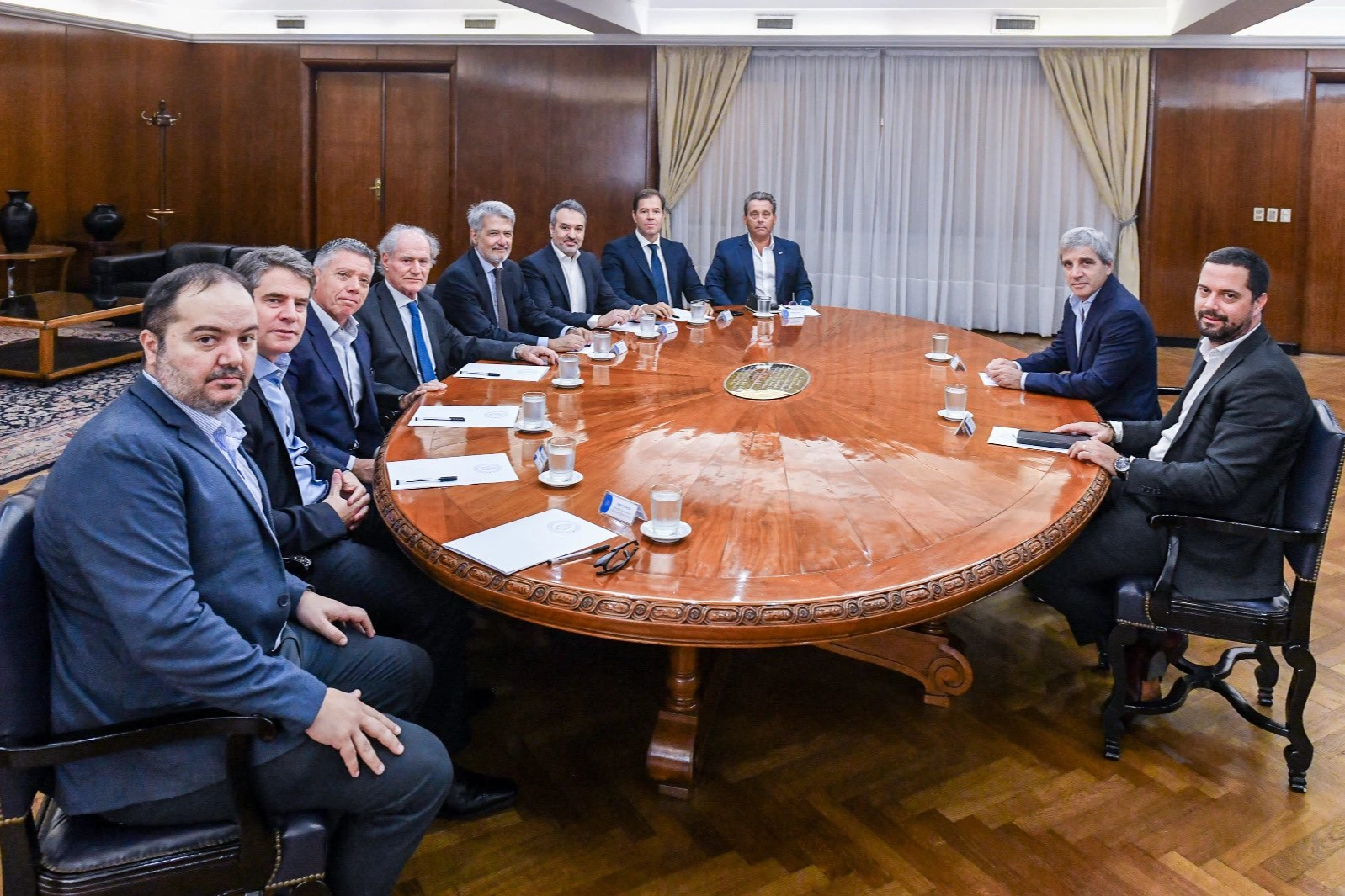
Governor Martín Llaryora received Mercado Libre Argentina's vice president, Adrián Ecker, in a meeting that formalized the announcements. The company stated that "400 direct and indirect jobs will be created," a figure confirmed by the provincial government. Spokespersons explained that the priority is to strengthen the experience of local users through faster deliveries.
The plan is complemented by the continued employment of more than one thousand Córdoba-based employees who have been working remotely since the closure of the Capitalinas complex. That closure caused national repercussions, but the company retained its workforce and is now making new productive investments in Córdoba. The initiative is presented as an expansion of operations rather than a simple business relocation.
The new centers will strengthen the logistics network in the interior and create job opportunities related to transportation, warehousing, and complementary services. The impact will extend to local suppliers involved in the construction, equipment, and maintenance of the facilities. This new move by the company consolidates Córdoba as a key node within the national distribution network.