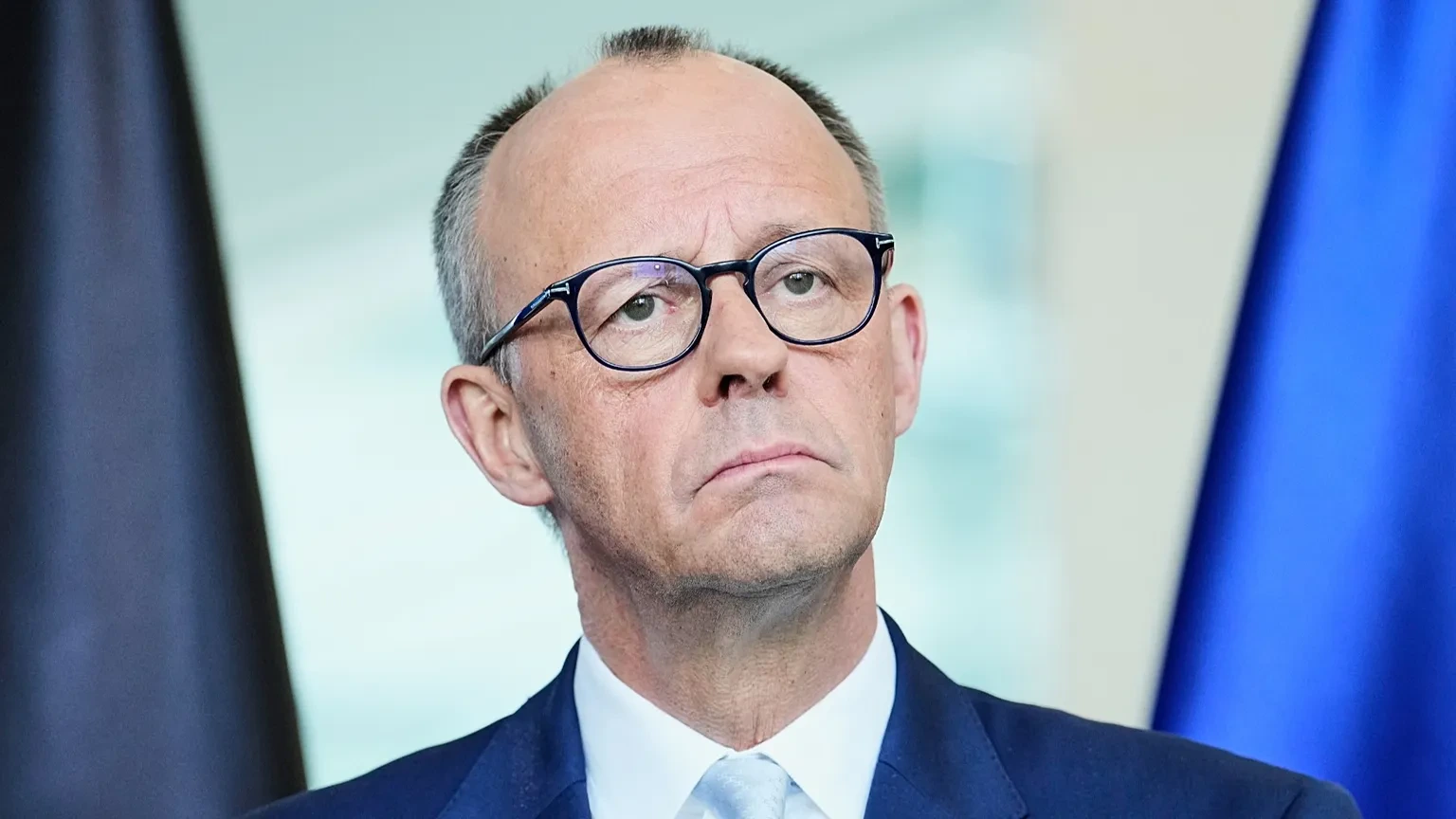

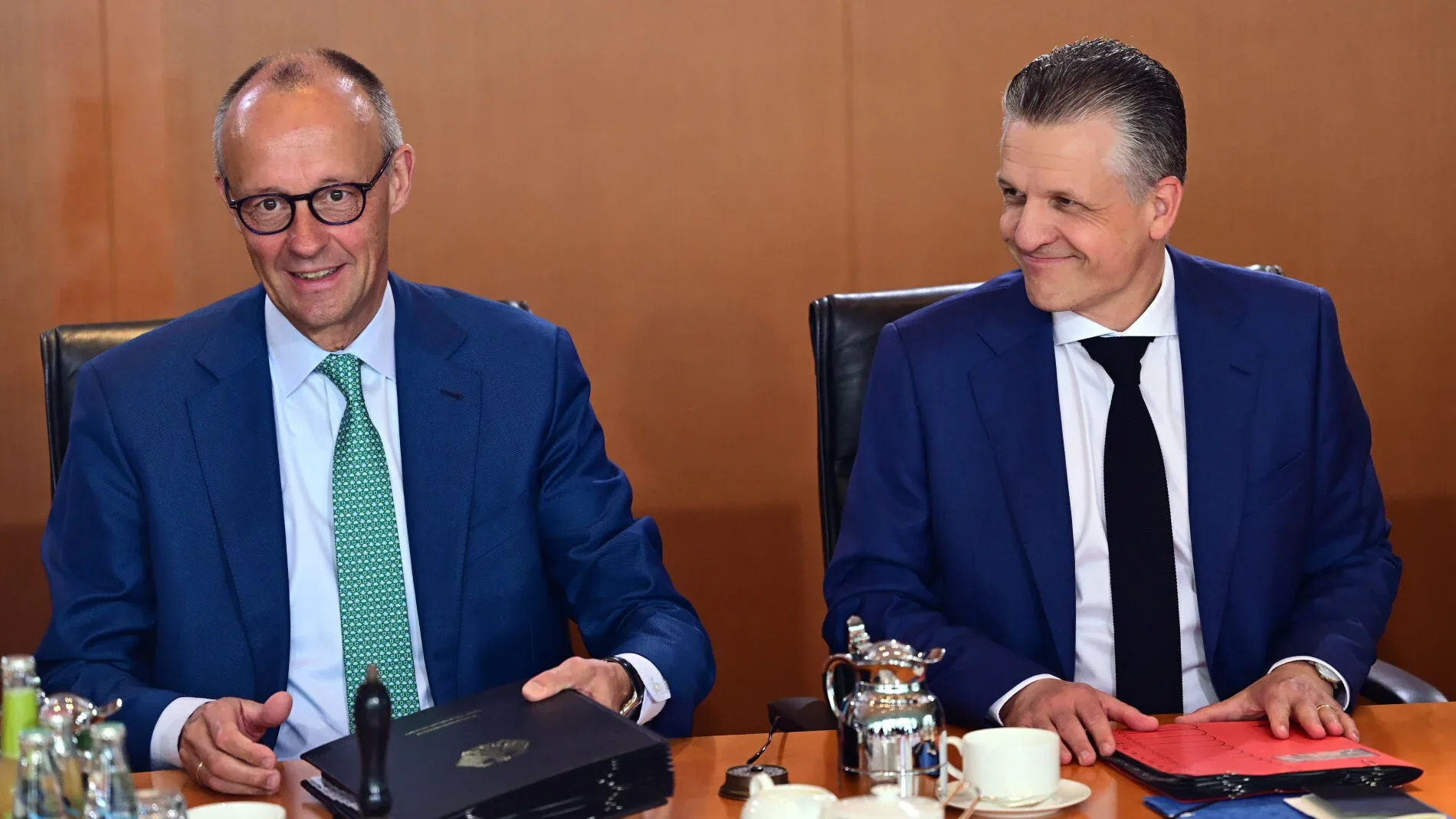
The German Chancellor Friedrich Merz gained political breathing room on Wednesday after the conservative CDU/CSU bloc elected one of his closest collaborators, Thorsten Frei, as the new head of the parliamentary group with the support of 91.9% of the coalition's legislators. The appointment aims to put an end to several days of internal tensions caused by a controversial cabinet reshuffle that weakened the government's image and increased criticism within the party itself.
Frei's election represents an attempt by Merz to regain stability after one of the most significant political crises since he took office as Chancellor. The new parliamentary leader will have the task of coordinating legislative work between the conservatives and the Social Democratic Party (SPD), the minority partner in the coalition government, with the goal of promoting the economic reforms that the executive considers essential to reactivate the growth of Europe's largest economy.
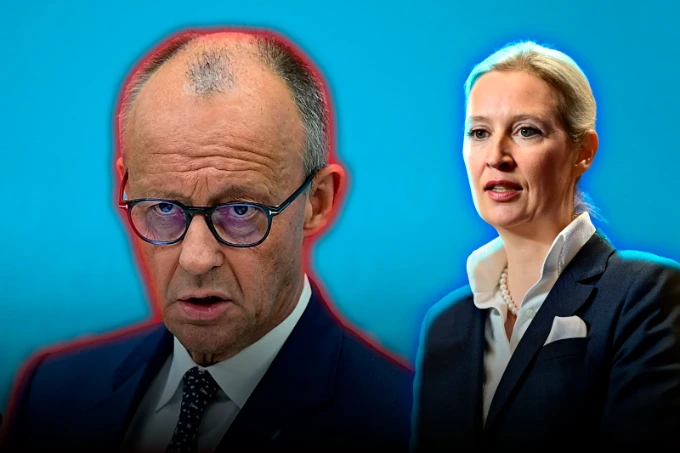
However, the support obtained by Frei does not eliminate the problems facing Merz. Various polls show a constant deterioration in the Chancellor's popularity, while the Alternative for Germany (AfD) party continues to consolidate itself as the main political force in the country.
A published survey revealed that only 15% of citizens are satisfied with Merz's management, one of the lowest levels recorded since he came to power. Even among CDU voters, only 49% approve of his performance, reflecting the growing discontent within his own ranks.
The same survey indicated that, for the first time, the AfD surpasses the conservatives in citizens' perception of which party is better prepared to address the main problems facing Germany, a significant change in the German political landscape.
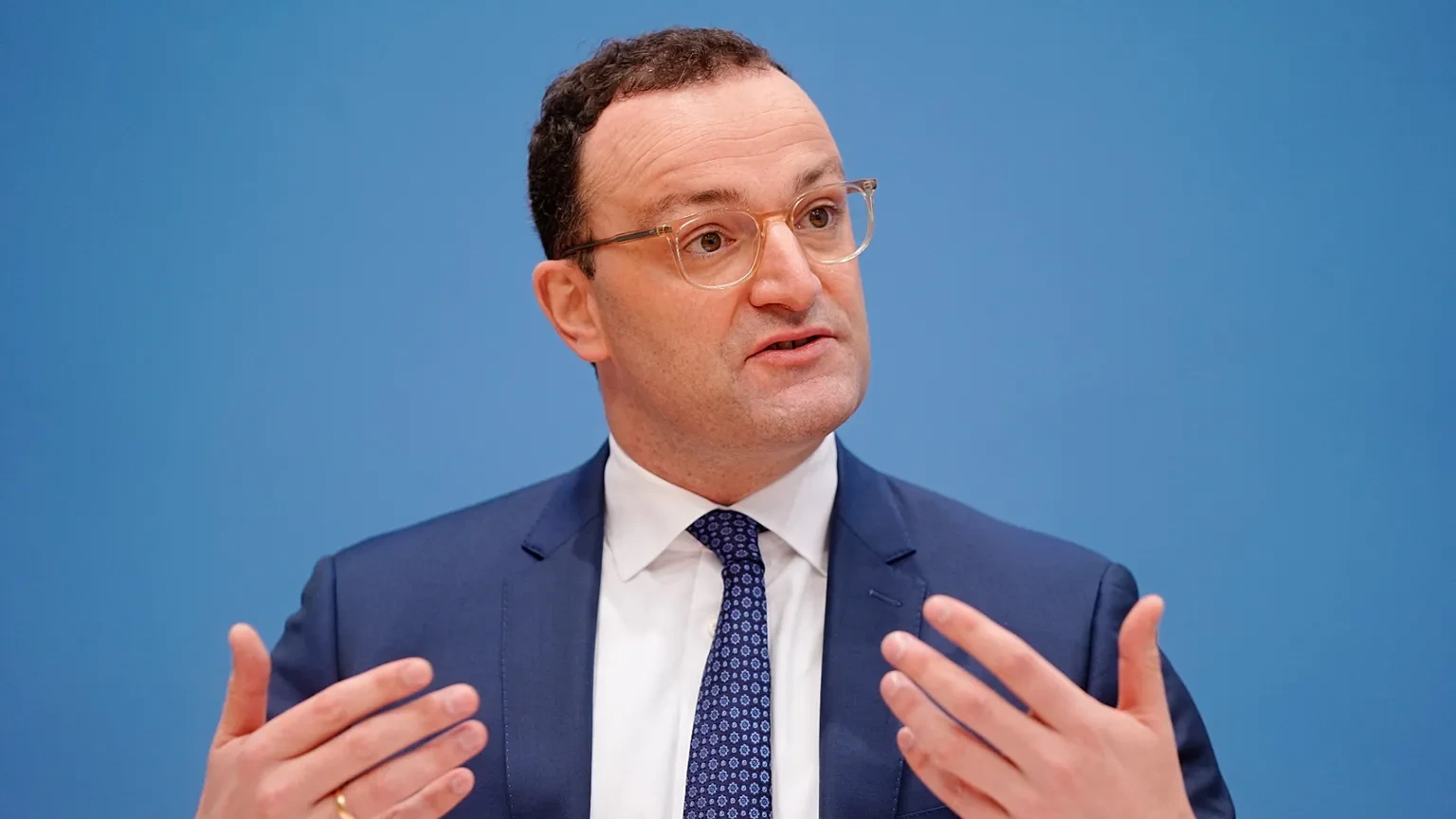
The government's difficulties intensified following the recent ministerial reshuffle driven by Merz. The crisis began with the resignation of conservative leader Jens Spahn, who left the executive after becoming embroiled in a strong controversy related to surrogacy. Spahn had previously supported the ban on that practice in Germany, but later resorted to it abroad to become a father, a decision that generated strong public questioning and within the CDU itself.
After his departure, Merz appointed Thorsten Frei as his replacement, also promoting the then Minister of Health, Nina Warken, to the position of Chief of Staff. The reshuffle included other significant changes, including the dismissal of the Minister of Transport, Patrick Schnieder, a decision that caused discomfort among conservative leaders in the state of Rhineland-Palatinate, where Schnieder had significant political support.
The criticisms were not limited to the decisions made, but also to the way they were communicated. The Deputy Minister of Health, Tino Sorge, publicly denounced that he learned of his dismissal through the media before receiving an official notification from the Chancellor, an episode that fueled accusations of improvisation and lack of leadership within the Executive.