In this context, Mercado Libre's shares deepened losses on Wall Street. Since the release of the quarterly earnings, the stock has accumulated a decline of nearly 17%, and so far in 2026, it has fallen around 24%.
However, these numbers must be viewed in perspective:
Mercado Libre continues to grow solidly in revenue and gross merchandise volume (GMV).
It is aggressively investing in its ecosystem (fintech, logistics, payments), which strengthens its competitive position in the long term.
It operates in a region that, thanks to the shift towards more rational policies in several countries (with Milei as the main reference), has enormous potential.
Burry, known for his contrarian and deep vision, is not looking at the next quarter. He is looking at the structural potential of a platform that dominates e-commerce and digital financial services in Latin America, at a time when the regional macroeconomy begins to stabilize.
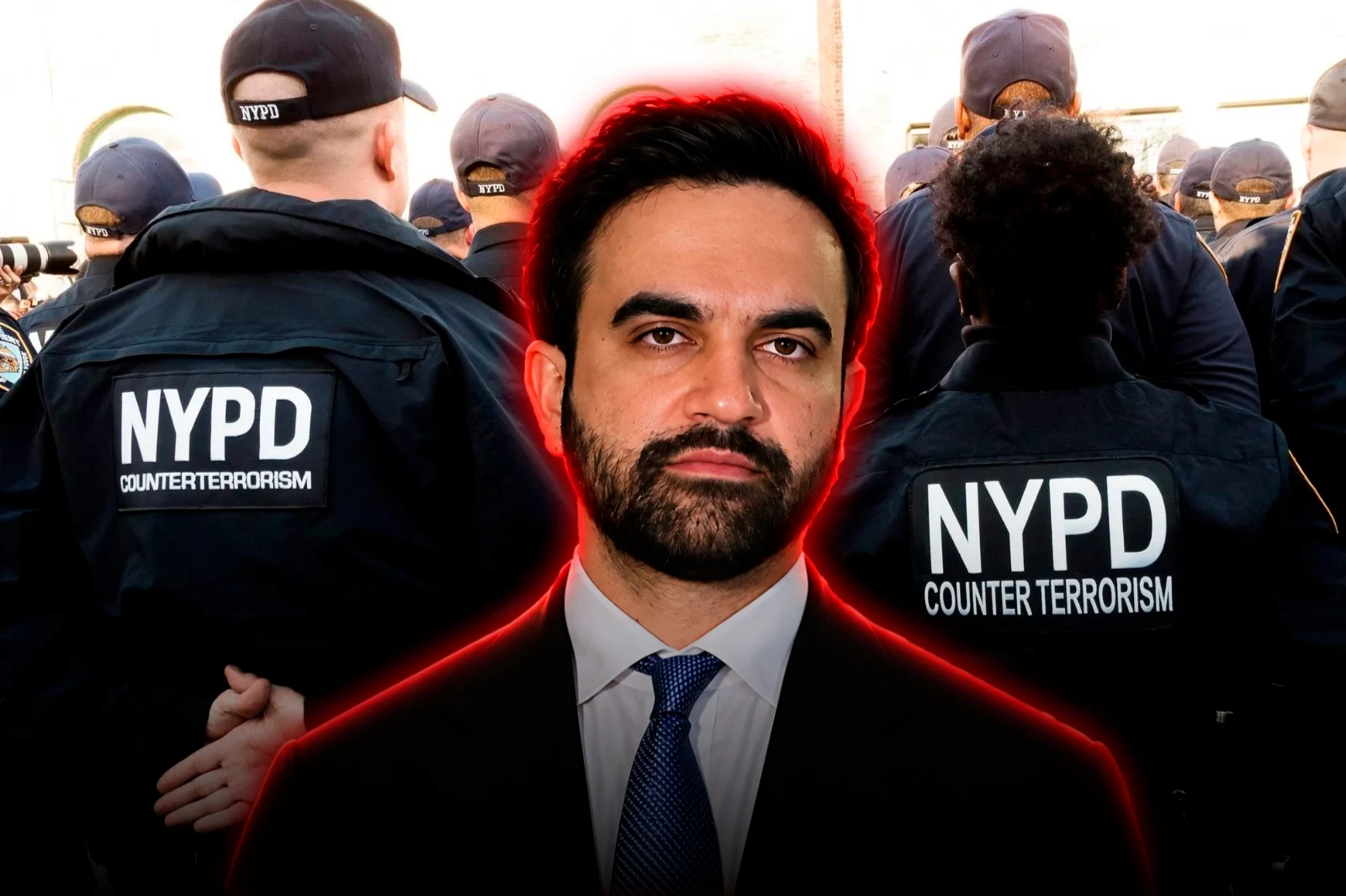
In the midst of the post-earnings correction, Michael Burry —the legendary investor who anticipated the 2008 crisis and was immortalized in The Big Short— decided to swim against the tide of the big banks and increase his exposure to Mercado Libre (MELI).
Meanwhile, Citi, JPMorgan, Goldman Sachs, Morgan Stanley, and UBS cut their price targets, but Burry sees a historic opportunity.
The investor revealed that he increased his positions as the shares fell, arguing that the company is trading at the lowest price/sales multiples in the last decade. His ideal entry price for a strong position: "around US$1,300 per share". A clear message: the market is being too pessimistic.
Beyond MELI's quarterly earnings
It is true that the last quarter showed a net profit of US$417 million, below expectations, and that the banks reacted by cutting targets (Citi lowered to “Neutral” with US$1,950, JPMorgan to US$1,900, UBS even to US$1,750). Operating margins were also below expectations.
Michael Burry
The correction of expectations was not limited to Citi and JPMorgan. Goldman Sachs lowered its price target from US$2,440 to US$2,100, Morgan Stanley adjusted it from US$2,600 to US$2,450, and UBS made one of the most aggressive cuts, going from US$2,050 to US$1,750.