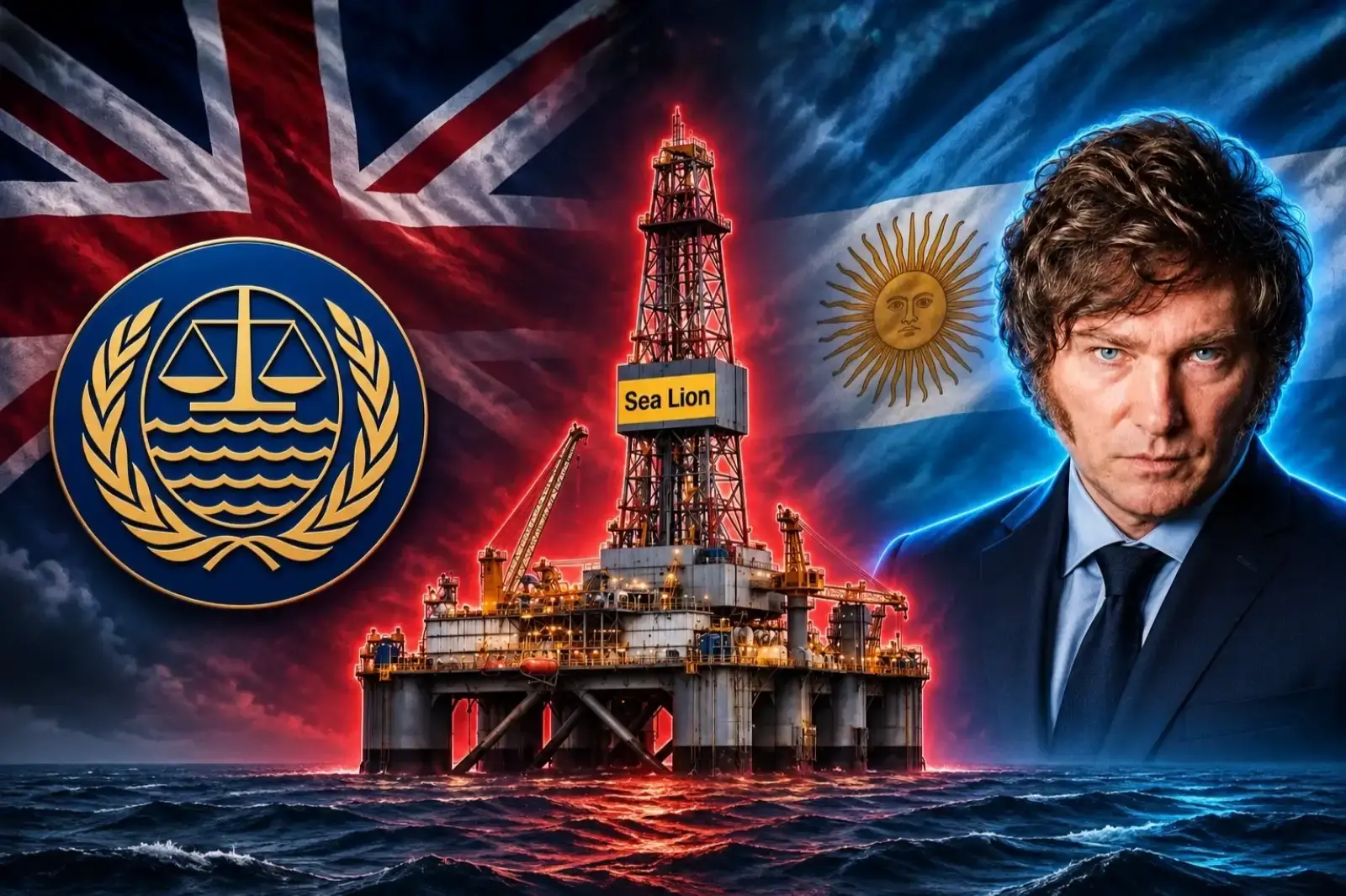
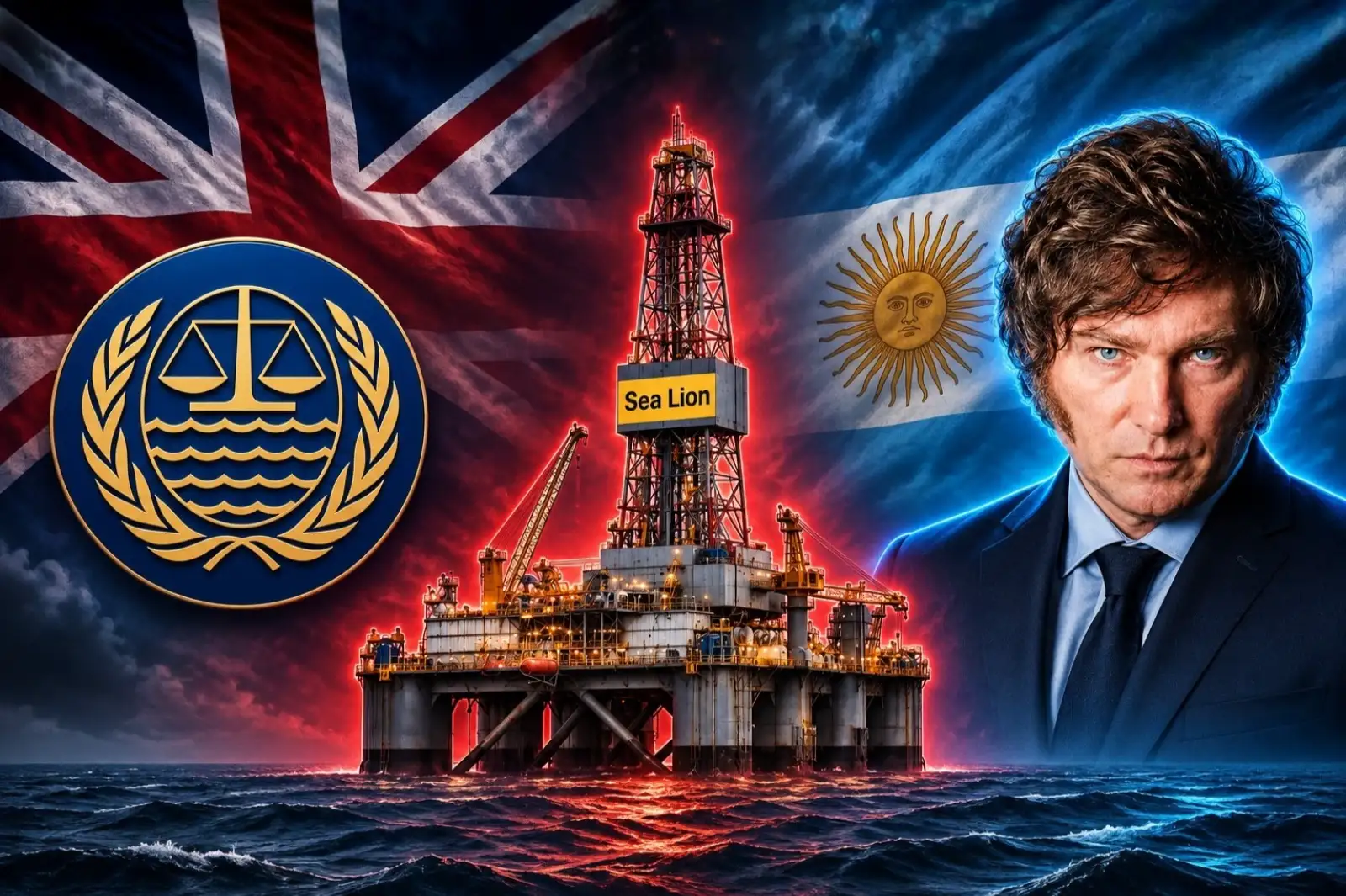
The Government of Javier Milei confirmed the initiation of five new sanctioning procedures for activities related to the exploitation of natural resources in the Falkland Islands and urged the Chamber of Deputies to urgently approve the National Sovereignty Defense Law.
The new actions were initiated on Friday, November 27, a day before the ruling of the International Tribunal for the Law of the Sea regarding the provisional measures requested by Argentina to halt the advancement of the Sea Lion oil project.
The Sea Court recognized the sovereignty dispute over the Falkland Islands and international arbitration will continue.
Through an official statement signed by Milei, the Executive confirmed that it will continue to use the administrative, diplomatic, and legal tools at its disposal to prevent the exploitation of natural resources without Argentine authorization. "Those who participate in the illegitimate exploitation of our resources will face the consequences", warned the Government.
The five new procedures add to the 60 announced in September, which affected both hydrocarbon operators and shareholders and service providers linked to oil activities in the archipelago.
Milei urged Congress to approve the National Sovereignty Defense Law
In parallel, the president requested the Chamber of Deputies to discuss and approve during the next week the National Sovereignty Defense Law project, sent by the Executive Power on September 17.
The initiative received a majority opinion at the end of October. However, its discussion was pending after the session called for November 18 failed due to lack of quorum. "Its delay excites the British government", warned Milei about the parliamentary situation of the project.
The opposition boycotted the session in Deputies and stopped Milei's project on the Malvinas
The initiative seeks to expand the current sanctioning regime and provide the Argentine State with new tools to protect its sovereign rights over the Falkland Islands, South Georgia, South Sandwich Islands, and the surrounding maritime areas.
Among its main provisions are fines equivalent to up to 500,000 barrels of oil, disqualifications of up to 20 years, and restrictions on entering into contracts with sanctioned subjects, both in the public and private sectors.
The National Sovereignty Act is a key element in order to prosper in the dispute over the Malvinas.
The project also includes the creation of the National Security Council, aimed at coordinating Defense, Foreign Affairs, Intelligence, and Economic policies in the face of external threats.
The new administrative actions will take place in parallel to the international arbitration against the United Kingdom, whose continuation was confirmed by the Government after the ruling of the Sea Tribunal. The Executive maintains that the decision of the international body does not legitimize the unilateral exploitation of Argentine natural resources and confirmed that it will request new measures before the future arbitral tribunal.