
A study conducted by the OECD analyzed spending on university education by country
Agregar La Derecha Diario en
Compartir:
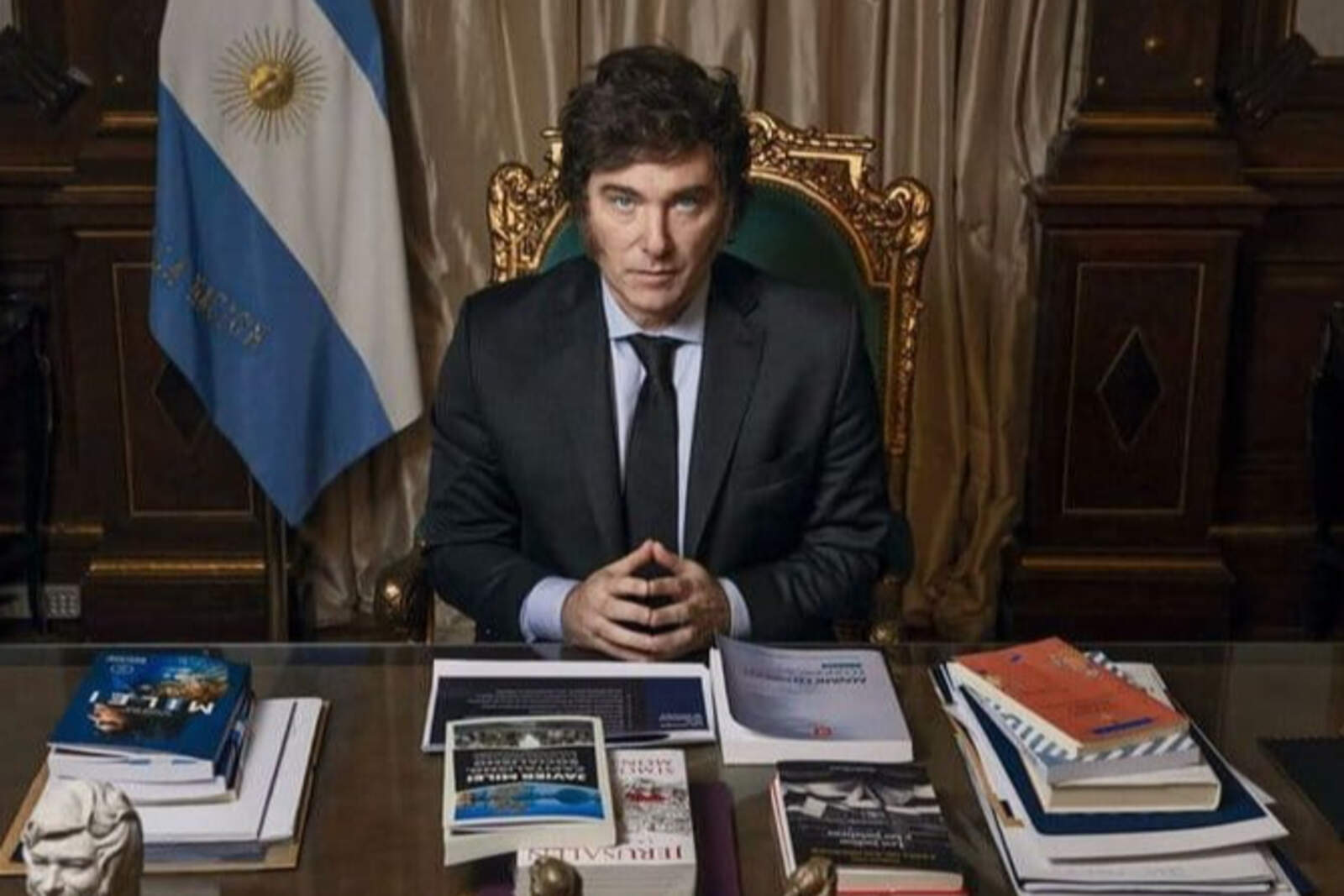
Amid the debate over the university budget, data from a recent report called "Education at a Glance 2025," prepared by the OECD, reveal that Argentina, under the government of Javier Milei, currently allocates about 1.04% of its Gross Domestic Product (GDP) to university education.
This percentage places the country at similar levels to those of the main G20 economies, and even above nations such as Japan, Israel, or Ireland, which are traditionally considered to have high educational development.
Javier Milei, presidente de Argentina.
Despite this comparatively high investment, the results in terms of graduation are concerning. According to the study, only 19% of young Argentinians between 25 and 34 years old manage to complete their university studies, an indicator that shows that public spending doesn't automatically translate into better academic results or higher levels of professional training.
In contrast, 48% of young people in OECD member countries and 41% in G20 nations complete their studies, which highlights Argentina's poor results.
The report shows that, despite attacks from Kirchnerist opposition and disinformation campaigns, Milei's government spending on universities is not lower than that of many world powers.
Javier Milei, presidente de Argentina.
In this context, the report's criticism focuses on the effectiveness of that spending, especially in a country where fewer than one in five young people finish higher education and where institutions such as Universidad de Buenos Aires (UBA) do not allow audits.
Criticism from the opposition toward the libertarian administration loses even more relevance considering that, within the framework of the 2026 Budget, President Javier Milei announced real increases for the education sector. National universities, for example, will receive an additional allocation of 4.8 trillion pesos, and the budget designated for Education will increase by 8% above inflation.
In light of these announcements, the university march held today in the country represents more of an anti-Milei political act driven by the opposition than a response to an actual austerity policy.