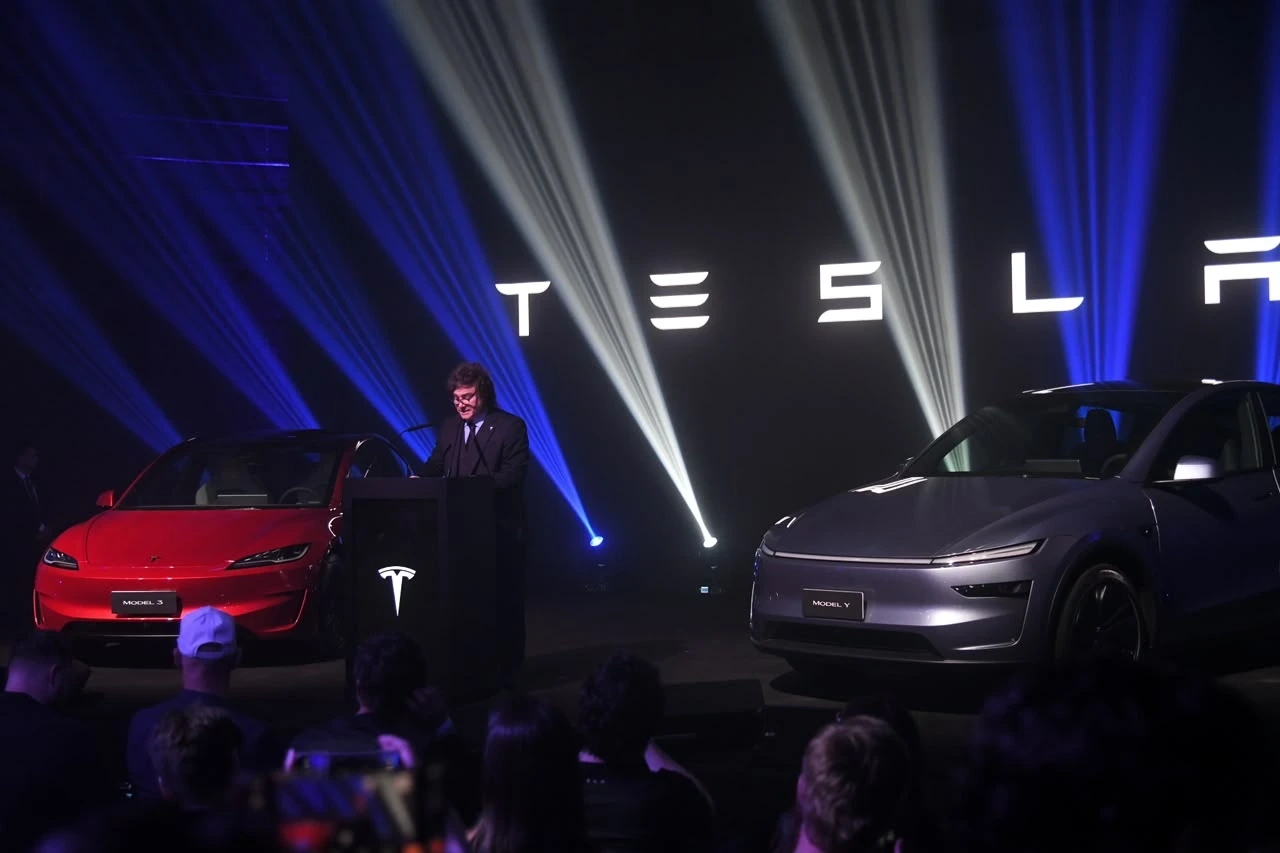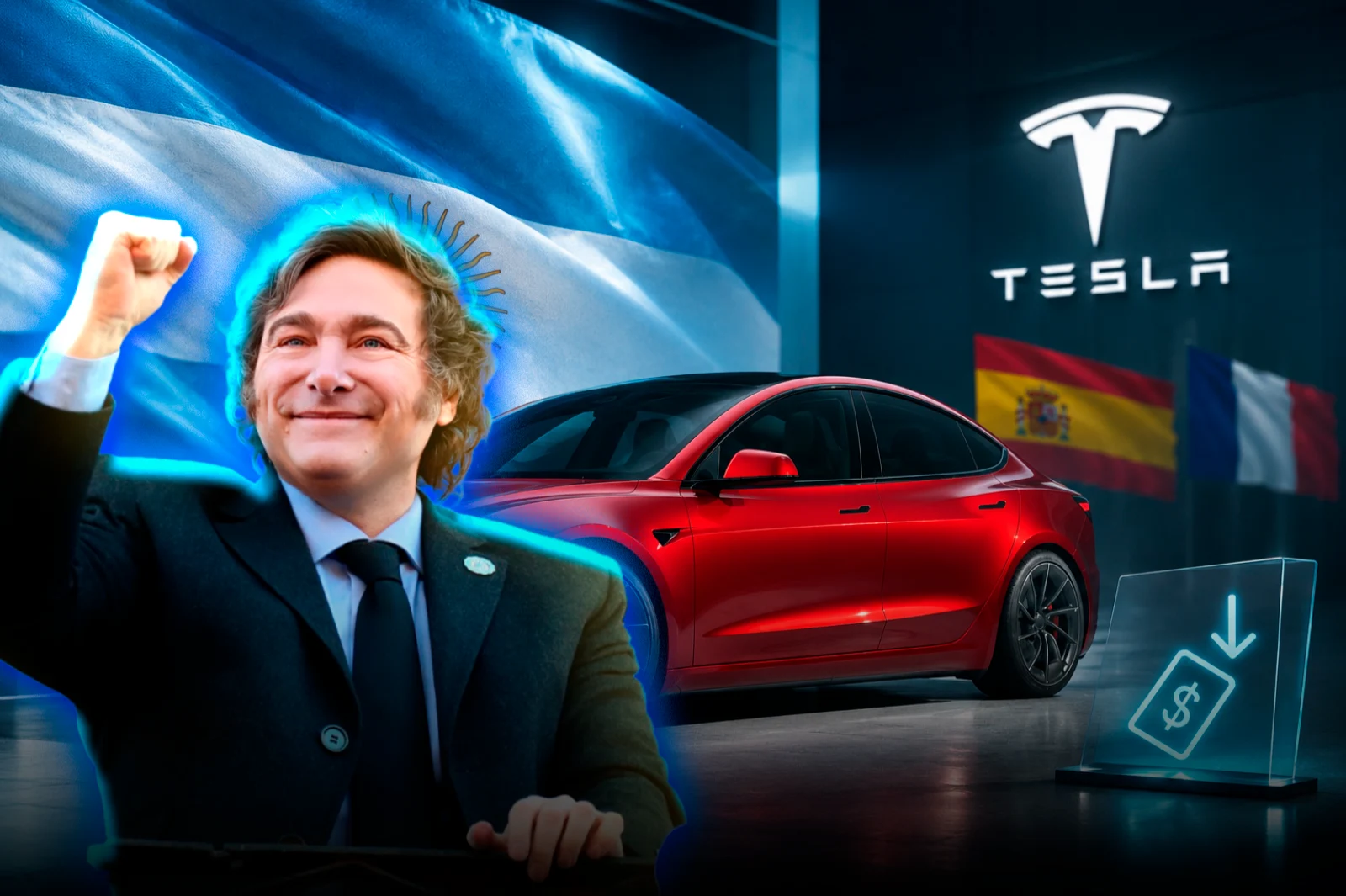

Thanks to the policies of free market, trade openness, and economic deregulation implemented by the administration of President Javier Milei, Argentina marks a historic and international milestone: the Tesla in Argentina is cheaper than in much of Europe and the world. While the old continent suffocates under high tax burdens and bureaucratic regulations, the libertarian administration has managed to position Argentine consumers in an unprecedented tariff advantage against developed nations with the arrival of the electromobility giant Elon Musk.
This phenomenon of competitive prices is a direct consequence of the firm governmental decision to eliminate barriers to international trade and promote genuine private investment. Through the scheme that grants exemption from the 35% import tariff for a quota of 50,000 clean vehicles, the Government demonstrated that reducing fiscal pressure immediately results in lower prices for citizens. In this context of openness, Tesla has established itself as the only non-manufacturer importer to commit investments in Supercharger infrastructure, obtaining 10% of the quota (2,500 units), allowing the sale of vehicles brought directly from the Shanghai (China) gigafactory with zero tariffs and a direct online sales channel to consumers.

When analyzing in detail the comparative figures between the local market and the European continent, the superiority of Argentine reforms is unquestionable. In the high-end sports sedan category Tesla Model 3 Performance —recognized as the most powerful car sold in Argentina—, the official price in Argentina is set at US$54,590.
This value is significantly more accessible than the current prices in the major economies of the European Union:
Argentina: US$54,590
Spain: US$63,170 (a European markup of US$8,580)
France: US$63,186
Italy: US$63,186
Portugal: US$63,186
Belgium: US$63,186
Germany: US$64,285 (a difference of US$9,695 in favor of Argentine buyers)
Netherlands: US$64,285